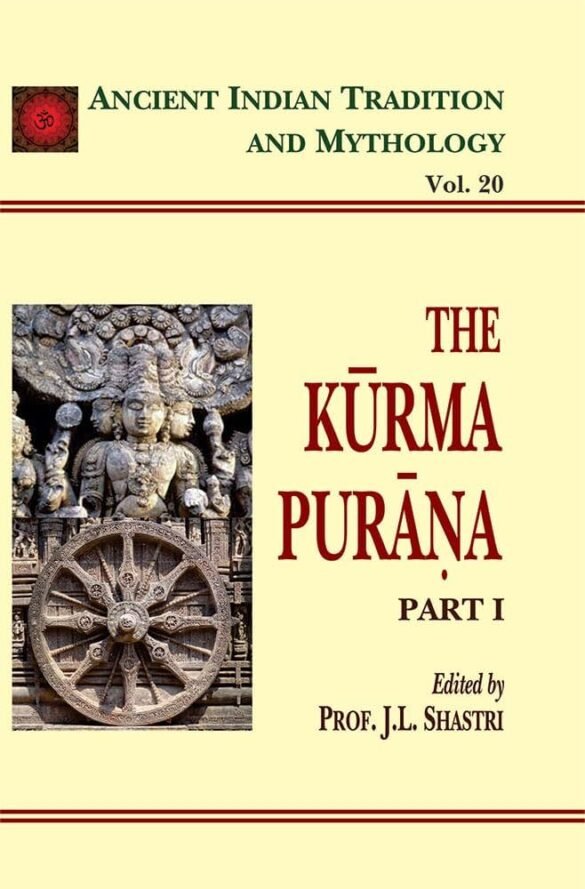
Indian mythology comprises a vast, multifaceted repository of traditional narratives, sacred scriptures, and spiritual philosophies originating from the Indian subcontinent.
Preserved through ancient Sanskrit literature—including the Vedas, Upanishads, major epics like the Ramayana and Mahabharata, and the eighteen Mahapuranas (such as the Linga Purana)—these traditions were historically recorded and transmitted by revered sages like Vedavyasa.
At its core, Indian mythology integrates narrative folklore with deep metaphysical principles, including Dharma (cosmic righteousness), Karma (action and reaction), Samsara (the cycle of rebirth), and Moksha (spiritual liberation).
Time is viewed as cyclical, unfolding across four vast epochs (Yugas) governed by continuous cosmic creation, preservation, and dissolution.
The mythology features an expansive pantheon of divine entities embodying distinct cosmic functions and spiritual truths.
Central to this framework are divine avatars and manifestations—such as Lord Vişņu assuming the ferocious Narasimha incarnation, Lord Śiva manifesting as Śarabha or executing the cosmic Tāņdava dance, along with major deities including Umā (Devi), Brahma, and Vināyaka (Ganesha).
Far beyond mere storytelling, Indian mythology acts as an operational guide for practical worship, offering liturgical procedures, sacred chants (such as the twelve-syllable and Triyambaka mantras), vows like the Pāśupata Vrata, and philanthropic rites like Mahādānas to align individual human life with universal order.