Latest in Hindu Philosophy
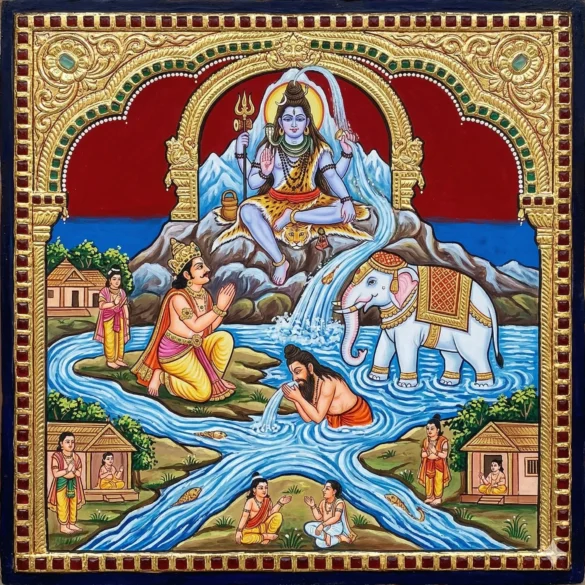

Hindu philosophy encompasses the vast, evolving intellectual traditions of metaphysics, epistemology, ethics, and liberation that originated across the Indian subcontinent.
Rooted in the sacred literature of the Vedas and Upanishads, Hindu thought explores the nature of ultimate reality (Brahman), the individual self (Atman), the mechanics of existence (Karma and Samsara), and the ultimate goal of human life—spiritual liberation (Moksha).
Systematised over millennia, classical Hindu philosophy is traditionally categorised into six orthodox (astika) systems, known collectively as the Shatdarshana:
Unifying these varied traditions is a shared focus on the four primary goals of human life (Purusharthas): Dharma (cosmic and moral order), Artha (wealth and prosperity), Kama (desire and pleasure), and Moksha (liberation).
Rather than demanding rigid dogma, Hindu philosophy operates as a dynamic, contemplative framework designed to lead the seeker from ignorance to ultimate self-realisation and truth.