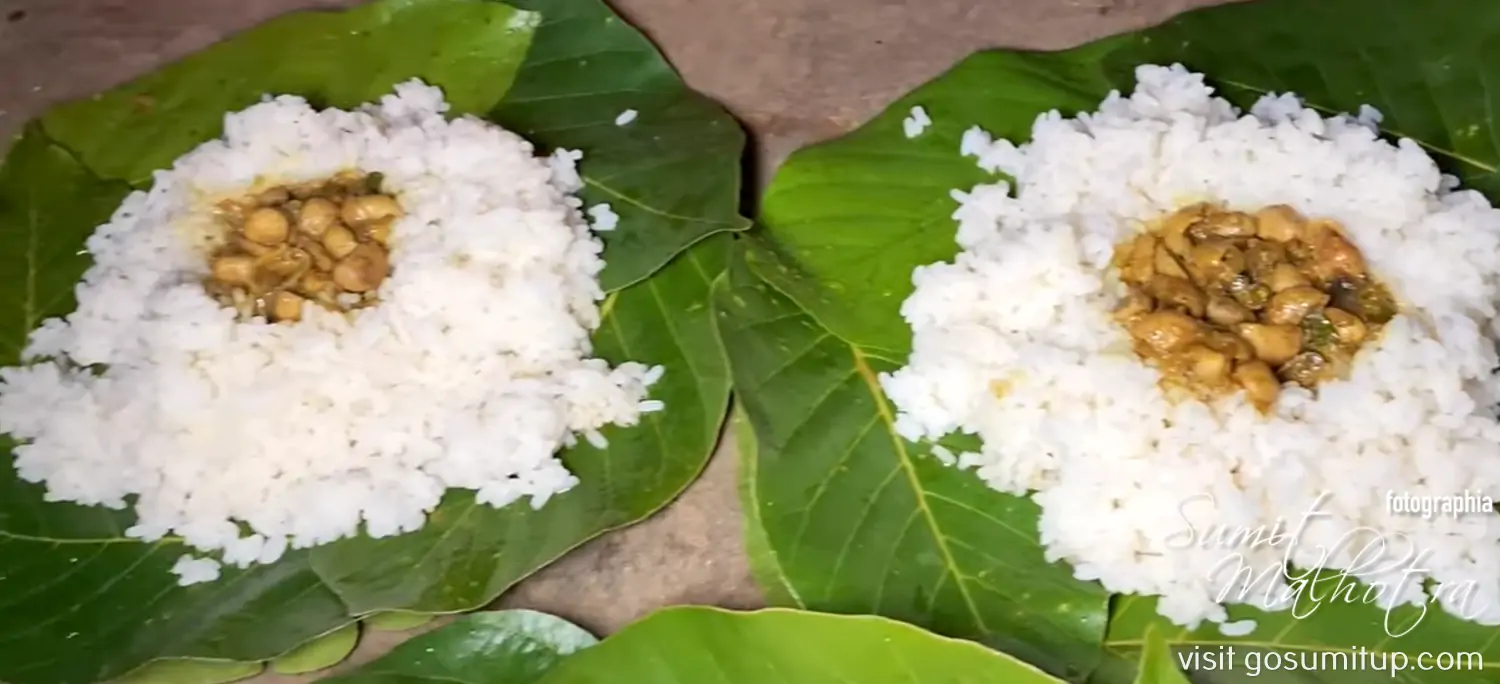
Food of Jharkhand - Food from the State of Jharkhand
Jharkhand is also known as the "Land of Forests”.
Food of Jharkhand Cuisine:Nestled in the eastern part of India, Jharkhand is a state defined by its undulating plateaus, dense mineral-rich forests, and a rich tapestry of indigenous tribal heritage.
Read more about Food of Jharkhand, Jharkhandi cuisine, Traditional dishes of Jharkhand, Dhuska recipe, Rugra mushroom curry, Chilka Roti, Tribal food of India, Famous food of Jharkhand
Learn more about Jharkhand Food, Jharkhandi Cuisine, Dhuska, Rugra Curry, Indian Tribal Food, Chilka Roti, Regional Indian Recipes, Sattu Paratha, Handia
Often overshadowed by its more prominent neighbours, Jharkhand possesses a culinary identity that is deeply organic, profoundly rustic, and intrinsically connected to nature.
As highlighted across cultural and travel narratives—including food and travel insights shared on platforms like gosumitup.com — Jharkhandi cuisine stands apart through its minimal use of commercial spices, heavy reliance on seasonal forest produce, and a profound respect for agricultural cycles.
For anyone looking to move beyond standard Indian restaurant fare, exploring the plates of Jharkhand opens up a window into an ancient way of living where food is both sustenance and sacred ritual.
Jharkhand’s main staple dhuska (thick rice puri) shares space with maduwa (ragi) roti, dal pitha (steamed rice lentil dumpling) and chilka roti – like a dosa made of rice batter.
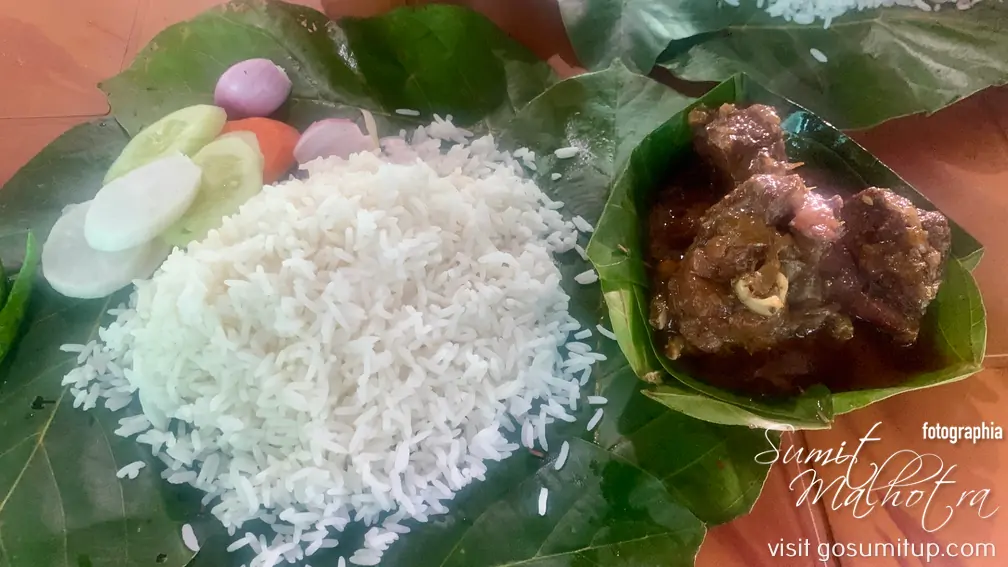
The Philosophy of Jharkhandi Kitchens
Jharkhandi food food is both sustenance and sacred ritual.
At first glance, daily meals in Jharkhand share similarities with neighbouring Bihar and Odisha, primarily revolving around rice, lentils (dal), seasonal vegetables, and tubers.
However, the soul of true Jharkhandi cuisine lies in its tribal roots—the Santhal, Munda, and Oraon communities who have perfected the art of foraging.
As documented in cultural chronicles, everyday cooking mediums lean heavily towards mustard oil and sunflower oil, imparting a distinct pungency and depth that complements local ingredients.
Meals are rarely overly complex or laden with heavy cream and cashew pastes; instead, they focus on gut health, natural fermentation, and celebrating what the immediate environment provides.
Iconic Staples and Street Delights
Dhuska: The Undisputed King of Comfort Food
No conversation about Jharkhand’s food culture is complete without mentioning Dhuska. Often enjoyed as a hearty breakfast or a roadside snack, Dhuska is a deep-fried bread made from a soaked and ground batter of rice and chana dal (split Bengal gram), delicately spiced with cumin, garlic, and green chillies.
When fried, the exterior achieves a gorgeous golden crunch while the inside remains soft and fluffy. Traditionally, it is paired with a spicy potato curry (aloo dum) or a sharp green chutney. Whether grabbed from a bustling morning market in Ranchi or cooked at home, Dhuska represents the quintessential comfort food of the region.
Chilka Roti
Another breakfast staple that showcases the state’s love affair with rice is Chilka Roti. Unlike a standard wheat roti, this is a thin, crepe-like flatbread prepared from a smooth batter of soaked rice and minor additions of besan (gram flour) for binding.
Cooked on a hot iron griddle with just a brush of oil, Chilka Roti is wonderfully light and easily digestible. It serves as an ideal accompaniment to robust non-vegetarian gravies, such as local mutton curry, or simple chana dal chutneys.
Also read meat bhat Hazaribagh for how the dhabhs that offer non-vegetarian food operate in Jharkhand.
Forest Foraged Treasures: Seasonal Specialties
Jharkhandi cuisine is famous for its seasonal integration of wild, foraged ingredients.
Rugra Sabzi (Wild Monsoon Mushrooms)
When the monsoon clouds break over the Sal forests of Jharkhand, local markets come alive with Rugra (also known as Rugdha or Khukhadi). Rugra is an indigenous wild mushroom that grows naturally underground near the roots of trees during the rains.
With a tough, white exterior and a rich, meat-like interior texture, Rugra is typically cooked into a spicy, rustic curry using onions, garlic, and freshly ground mustard paste. Its earthy, intense flavor profile makes it a prized seasonal delicacy that locals eagerly anticipate all year.
Bamboo Shoots (Karil)
Tender bamboo shoots, locally known as Karil, form an integral pillar of tribal cooking. Because raw bamboo shoots are intensely bitter, they undergo careful boiling processes before being transformed into curries.
Cooked with mustard oil, garlic, and local spices, Bamboo Shoot Curry yields a distinctly tangy, pungent, and deeply aromatic profile that challenges and delights the palate.
Traditional Dumplings and Hearty Mains
Pittha: The Versatile Dumpling
Pittha (or Pitha) is a traditional delicacy prepared during festive periods and harvest celebrations. Crafted from a fine rice-flour dough, Pitthas can take both sweet and savory forms.
Savory versions are typically stuffed with a spiced paste of roasted chana dal, herbs, and garlic, then gently steamed or boiled.
Sweet variants feature fillings of jaggery, coconut, or sesame. Being a zero-oil preparation, Pittha highlights the healthful, steam-cooking traditions embedded deeply in rural households.
Litti-Chokha and Sattu Paratha
Though widely associated with neighbouring Bihar, Litti-Chokha and Sattu Paratha are deeply woven into the daily culinary fabric of Jharkhand as well.
Litti consists of whole wheat dough balls stuffed with sattu (roasted gram flour mixed with ajwain, black salt, garlic, and mustard oil), traditionally baked over direct coal or wood fire until smoky.
Paired with smoked eggplant or potato mash (chokha) and a generous dollop of desi ghee, it is a meal of immense rustic vigor.
Indigenous Beverages and Festive Sweets
No exploration of local food is complete without looking at community celebrations.
Handia
An integral part of tribal social life and festivals, Handia is a traditional rice-based fermented beverage. Prepared using boiled rice and a herbal starter tablet locally called ranu, the mixture is left to ferment in large earthen pots.
Mildly tangy and cooling, it is shared communally during rituals and dances like Karma and Sarhul.
Til Barfi and Arsa
For those with a sweet tooth, winter brings treats like Til Barfi—a dense, nutty fudge made from sesame seeds and jaggery.
Throughout the year, festive occasions see the preparation of Arsa, a traditional fried sweet made from rice flour and jaggery, boasting a crisp exterior and a soft, chewy core.
Dining & Eating Etiquette for Jharkhand
Dining and eating customs in Jharkhand are deeply anchored in rural traditions, indigenous tribal values (such as the Santhal, Oraon, and Munda communities), and a profound respect for nature and communal harmony.
While modern urban spaces follow standard pan-Indian dining habits, traditional and rural settings observe distinct customs:
1. Seating and Spatial Etiquette
* Floor Seating: In traditional tribal households and rural setups, meals are often served on the floor.
Diners sit cross-legged on mats made of straw or woven cloth, placing the food low to the ground to symbolize humility and a grounded connection to the earth.
* Serving Order: In communal or festive gatherings, elders and guests are served first as a sign of deep respect.
Younger family members or hosts typically manage the distribution of food, ensuring everyone’s leaf plates or metal platters are adequately filled before they eat themselves.
2. Traditional Serving Ware
* Sal Leaf Plates (Sal Patta): For community feasts, festivals (such as Sohrai or Sarhul), and traditional rituals, food is traditionally served on platters and bowls fashioned from stitched Sal leaves (Sal Patta). Using biodegradable leaf plates underscores an eco-friendly lifestyle and an intrinsic bond with the forest.
* Earthenware (Handi): Cooking and serving frequently utilize unglazed clay pots.
Fermented beverages like Handia (rice beer) are brewed, stored, and traditionally served out of large earthen pots, enhancing the earthy profile of the contents.
3. Eating with Hands
Tactile Connection: True to most traditional Indian dining styles, meals in Jharkhand—whether mixing goda chawal (local rice) with maar jhor (rice starch soup) or mashing chokha into rice—are eaten using the right hand.
Using fingers is believed to engage all the senses, allowing you to gauge the temperature and texture of the food before eating.
4. Communal Harmony and Sharing
* Shared Feasts: Food in tribal and rural Jharkhand is deeply communal.
Major life events, community meetings, and harvest celebrations feature large-scale communal cooking where entire villages partake together.
* Communal Beverages: Traditional fermented drinks like Handia or Mahua are often shared communally during festivals, marriages, and dances.
Passing a bowl or vessel among peers signifies unity, mutual trust, and collective celebration.
5. Respect for Nature and Seasonality
* Gratitude to the Harvest: Meals are treated as sacred gifts from nature rather than mere commodities.
Etiquette dictates acknowledging the seasonal harvest—such as eating Rugra mushrooms only during the monsoon or celebrating newly harvested rice during Sohrai—reflecting a culture that eats in harmony with ecological cycles.
* Minimal Waste: Because ingredients are foraged directly from forests or grown through meticulous manual farming (like bamboo shoots, wild greens, and seasonal roots), wasting food is heavily discouraged.
Every part of the seasonal produce is utilized creatively in curries, chutneys, or mashes.
6. Post-Meal Customs
Natural Digestifs: It is common to conclude heavy traditional meals with natural elements.
In tribal hospitality settings, tiny medicinal flowers or local herbs (such as wild chamomile variants) are sometimes offered to aid digestion.
Washing Up: Hand-washing customs immediately follow the meal, with hosts often pouring water from a jug or container for guests – a classic marker of polite Indian hospitality.

Disclaimer
If you like this article, you can let us know in the comments below or on social media using #gosumitup and tag @gosumitup on Facebook.
I am always happy to read your feedback, whether you liked the dish or made it. :)
Better still, take a picture and post it on Instagram and tag it as #gosumitup
Connect directly – You can also connect with me on Instagram, Facebook, or Pinterest.
And, keep visiting us for more of such awesomeness. Do bookmark gosumitup.com into your web browser now or simply subscribe to our browser notifications.
If you are an ardent traveller, you may find below a list of items that will fortify your travel experience. I use many of these myself for all my trips or roadtrips. They are modestly priced and quite important to keep handy for your safety.
- Travel Adapter – https://amzn.to/3A04EJp
- Action Camera – https://amzn.to/4eCSMfF
- Camera Mounts & Accessories – https://amzn.to/4eG4je2
- Dashcam – https://amzn.to/3U2j4Qc
- Neck Rest – https://amzn.to/3Y6ZP98
- Tyre Inflator – https://amzn.to/3U8HpDP
- Storage – https://amzn.to/3XVQFMI
- Car Laptop Charger – https://amzn.to/3XXMVdA
- Vacuum Cleaner Cordless – https://amzn.to/3Yo1hWd
- Air Mattress – https://amzn.to/4015Bvu
- Jack Ratchet Wrench – https://amzn.to/3YkxddO
- Cleaning Cloth Microfibre – https://amzn.to/3NIOFmt
- Rechargeable Solar LED Torch – https://amzn.to/3Yj4h5Y
- Electronics Accessories Organiser – https://amzn.to/3A04XUz
- Pocket Travel Data Transfer Tool – https://amzn.to/3zMTxnc
- Smart Tracker for Keys – https://amzn.to/3BTuIq0
- Camping Cookware Kit – https://amzn.to/3BIy0N3
- Rechargeable Electric Gas Lighter for Stoves – https://amzn.to/4orBsin
- Sleeping Bag – https://amzn.to/3U7v2rP
GoSumItUp is a personal blog written and edited personally by me. All opinions expressed are my own which are honest and have not been influenced by any means.
My reviews are dependent on the visits at the time and revisits will be reviewed again as they may have a different experience or the same.
I am not a food critic nor do I consider myself as one, this platform allows me to write and review my own personal dining experiences, may they be good or bad, delicious or not, all are honest and truthful opinions.
Suppose you disagree or agree with me at any point or do not receive the same experiences as I have. In that case, I do not hold any responsibility as everyone will have their own experiences that they will encounter themselves.
I pay for all meals. However, if any meals or product has been sponsored or compensated or if I was an invited guest, it will be clearly disclosed at the end of each review.
All images on this blog are my own unless stated otherwise. If you wish to use any of my photography for any purposes, please do not use it without any written permission and give credit and/or link back to the website.
If you would like to send a product or any sponsors/endorsements, it may or may not be published and reviewed on the website.
If you wish to send any products or invitations for any media, press or collaborations etc., consider if it is something related to the content of the website and if you see fit, please visit the Contact page for contact details.
Thank You.
Thank you for visiting GoSumItUp! I hope you enjoy the reviews & recipes found at www.gosumitup.com.
This page consists of disclaimers regarding the recipe, its outcome, nutrition, and food handling safety decisions.
The recipes have been cooked and compiled by me for general information only and should not be used to diagnose or treat any medical condition/s.
This information is not intended to diagnose, treat, cure, or prevent any disease as well.
GoSumItUp.com has used all reasonable care in compiling the information but offers no warranty as to its accuracy or its use in any possible form.
Consult a doctor or other health care professional for diagnosis and treatment of any medical condition/s. For more details please refer to our disclosure policy.
The nutritional and health information provided in this article is for educational and informational purposes only and is not intended as medical advice, diagnosis, or treatment.
While herbs have a long history of traditional and clinical use, individual health needs vary.
Always consult with a qualified healthcare professional, registered dietitian, or physician before introducing therapeutic doses of fenugreek into your daily diet, especially if you are pregnant, nursing, taking blood-thinning medications, or managing chronic conditions like diabetes.
