Dulce de Leche – Learn About the History and Origin of Dulce de Leche, Dulce de Leche vs Caramel Difference, Traditional Argentinian Alfajores Recipes, Juan Manuel de Rosas Dulce de Leche Myth, and The Maillard Reaction in Milk Jam.
In the pantheon of Argentinian identity, three pillars hold up the sky: the Asado, the Football, and Dulce de Leche.
While the first two are visceral and energetic, Dulce de Leche is the nation’s sentimental core.
It is the flavour of childhood, the undisputed king of the merienda (afternoon tea), and a product so sacred that Argentines travelling abroad have been known to pack entire suitcases with jars of their favourite brand.
The most enduring myth of its creation—the “Royal Accident of 1829″—is a story every Argentinian child knows by heart.
But as we look closer at the boiling copper pots of history, we find that this “accident” was actually a crossroads where chemistry met coincidence, and where a global lineage was localised into a national obsession.
Is Dulce de Leche a “Fortunate Mistake,” or is it a masterclass in Molecular Gastronomy and the Maillard Reaction?
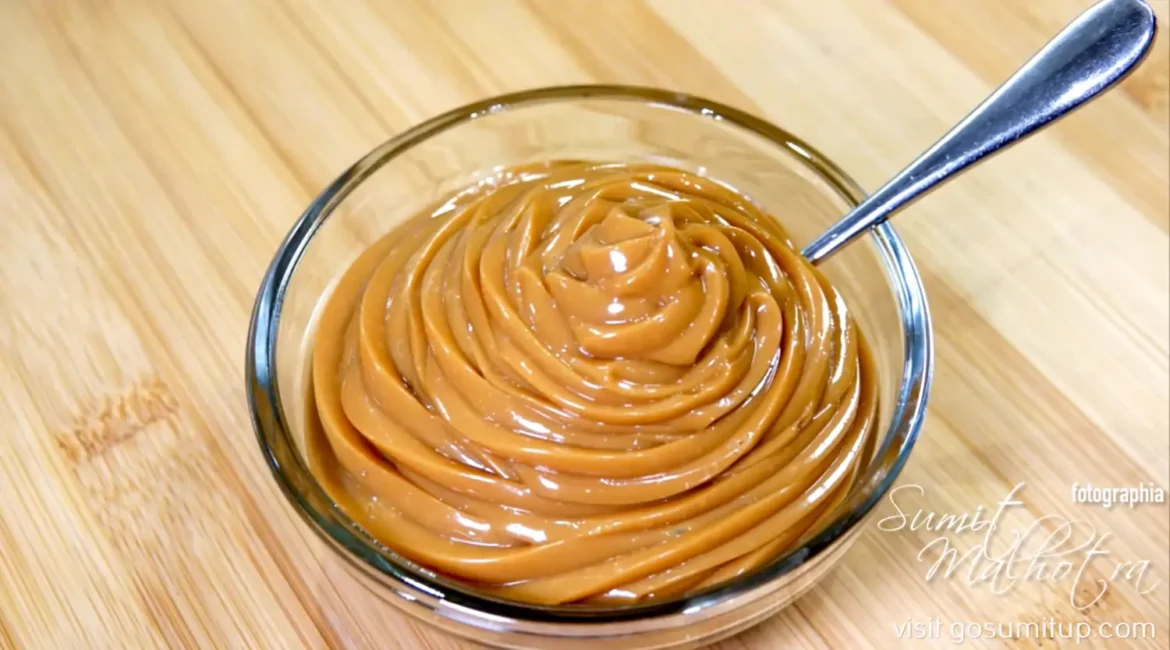
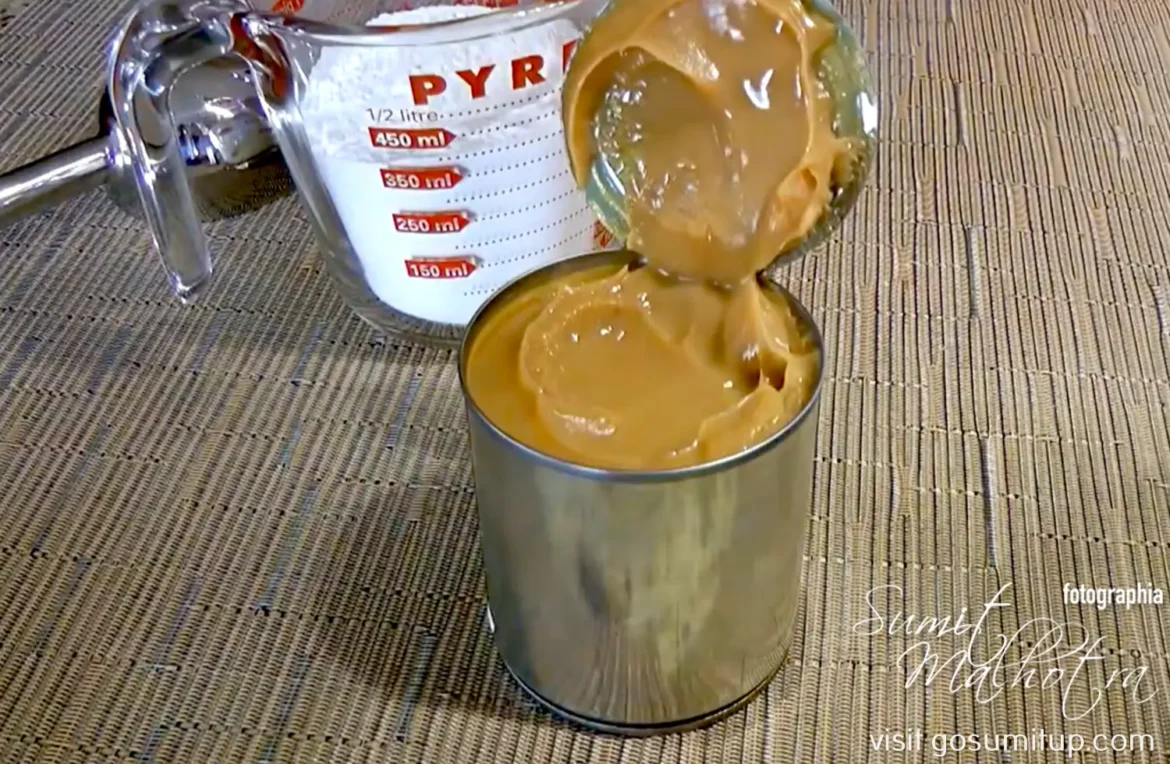
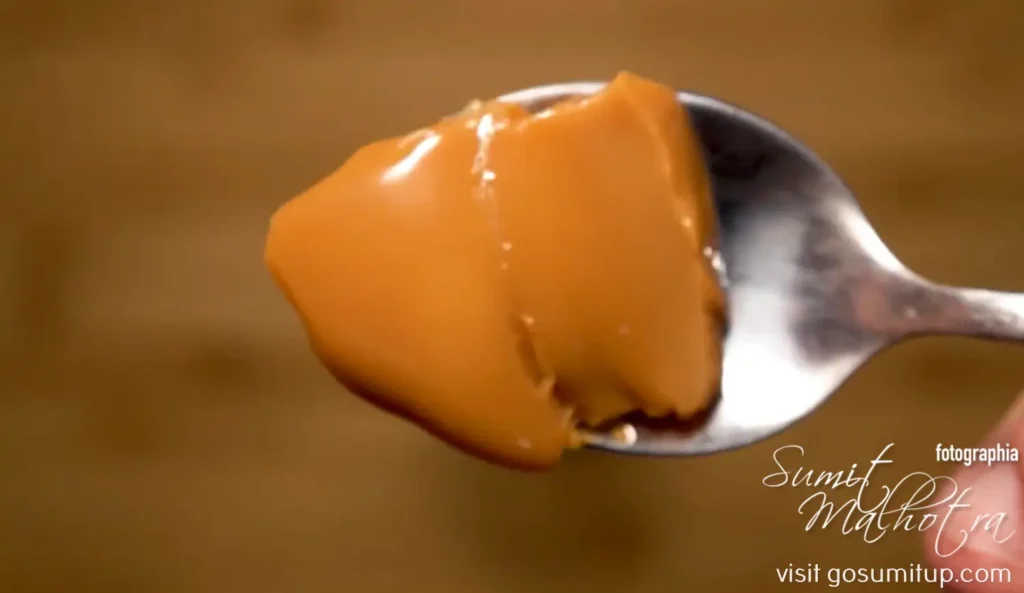
Dulce de Leche - Sticky Texture
The "Accident" Myth vs. The Global Lineage
The "Accident" Myth: The Maid, the General, and the Forgotten Pot
The legend is set on a cold winter afternoon on July 17, 1829, at the estate of the powerful politician and “Restorer of Laws,” Juan Manuel de Rosas.
The air was thick with political tension.
Rosas was meeting with his bitter rival, General Juan Lavalle, to sign the Pact of Cañuelas – a treaty intended to end a bloody civil war.
The Narrative:
According to folklore, a maid was in the kitchen preparing lechada (a mixture of milk and sugar used to sweeten mate).
Upon seeing the “enemy” Lavalle entering the house and, exhausted, falling asleep on Rosas’s bed, she ran to find her master, leaving the milk on the fire.
When she finally returned, terrified that she had burned the kitchen down, she found not a charred mess, but a thick, dark, aromatic cream that had transformed into a substance of pure gold.
The Reality Check:
The Political Utility: The story is perfect for nation-building. It suggests that out of the friction of two warring generals, something sweet and unifying was born.
The Global Lineage: Long before 1829, similar milk reductions were documented. In India, Kheer and Rabri have used slow-milk reduction for centuries.
In the Philippines, a version existed that likely travelled to Mexico and then down the Andes via the “Galeón de Manila” trade routes.
Even Napoleon’s cook has a similar “forgotten milk” story from 1804.
The Verdict: The “Accident” is a romanticised anchor. While the 1829 event might have popularised the specific Argentinian style, Dulce de Leche is the result of a centuries-old evolution of dairy preservation.
Dulce de Leche
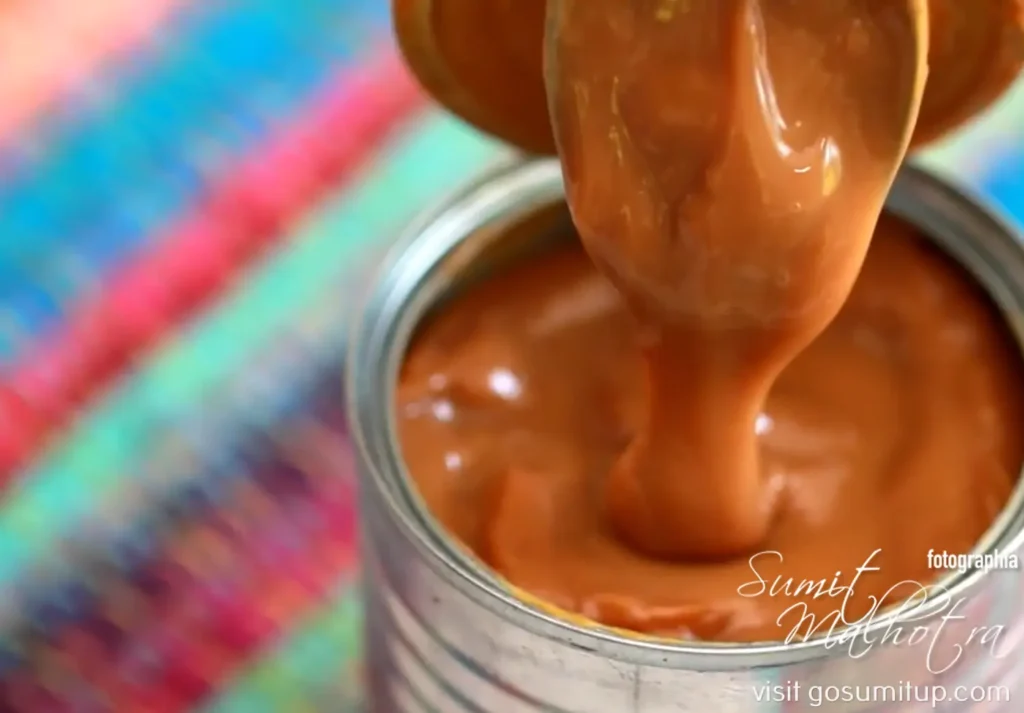
The "Repostero" vs. "Familiar": A Study in Viscosity
Dulce de Leche is a spectrum of Technical Specifications designed for different functional contexts.
In Argentina, Dulce de Leche is not a single product; it is a spectrum of Technical Specifications designed for different functional contexts.
A. Dulce de Leche Familiar (Traditional):
The Spec: Lower viscosity, high gloss, and a lighter colour.
The Use Case: Spreading on toast, drizzling over pancakes, or eating directly from the spoon. It is designed to be fluid and “melting.”
B. Dulce de Leche Repostero (Confectionery):
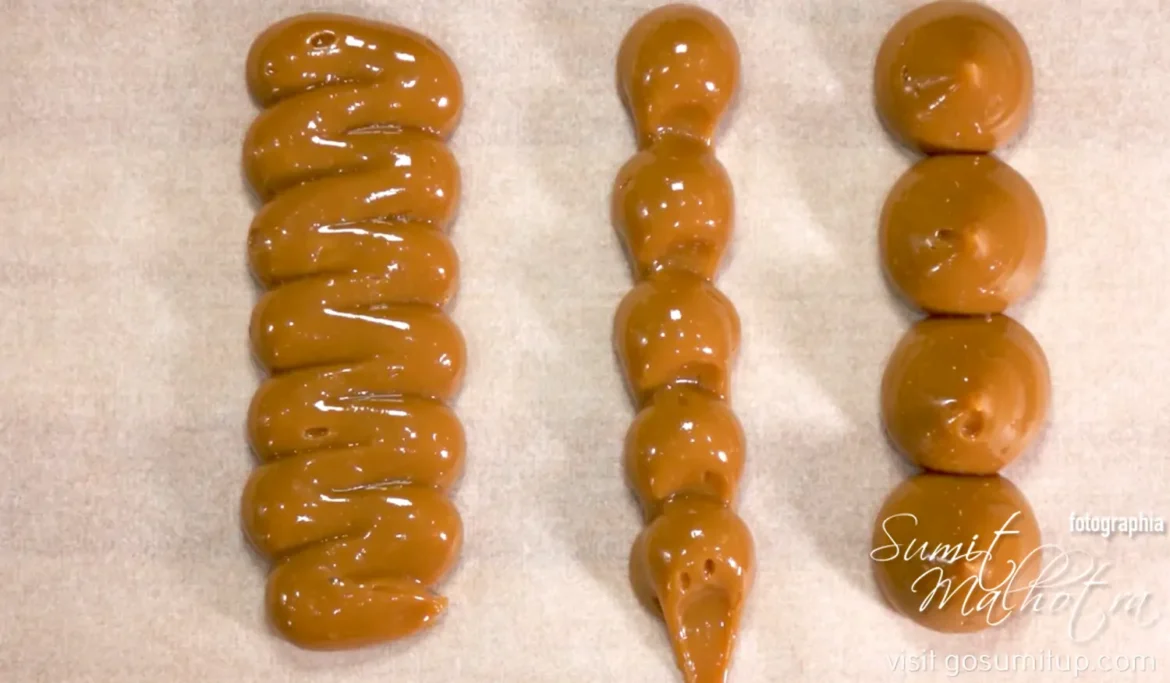
The Spec: High density, matte finish, and a “short” texture.
The Engineering: This version contains added thickeners (like cornstarch or vegetable gums) and is cooked longer.
The Use Case: This is the Structural Binder of the pastry world.
It is used in cakes and alfajores where the filling must act as a “glue” that does not flow even when the cake is sliced or left at room temperature.
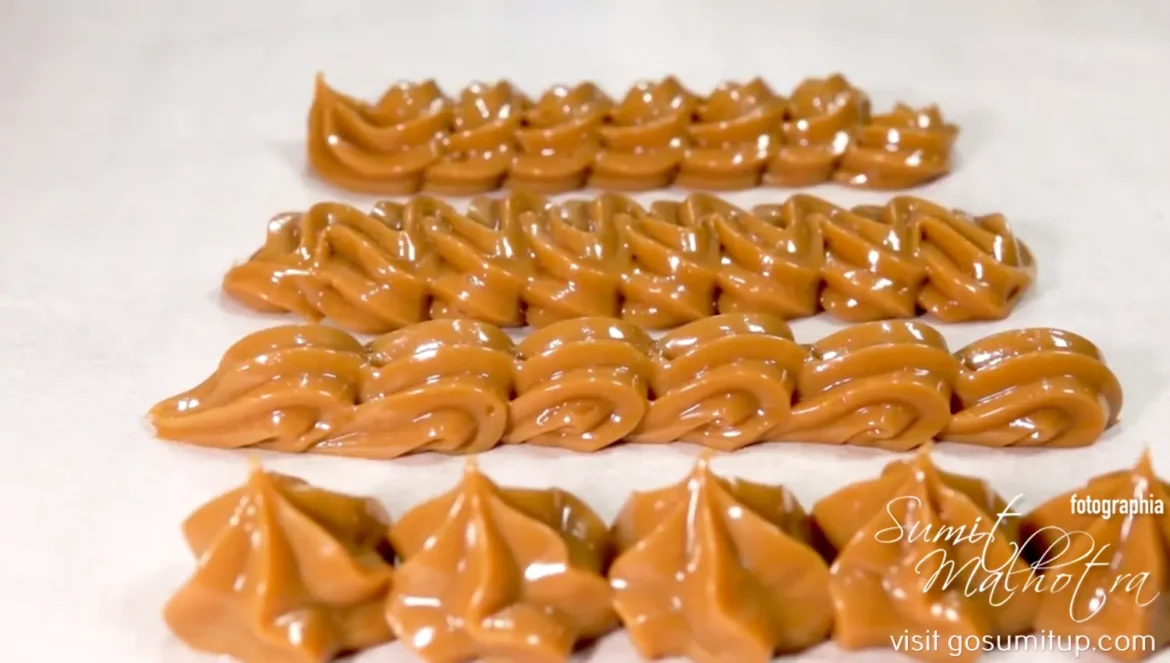
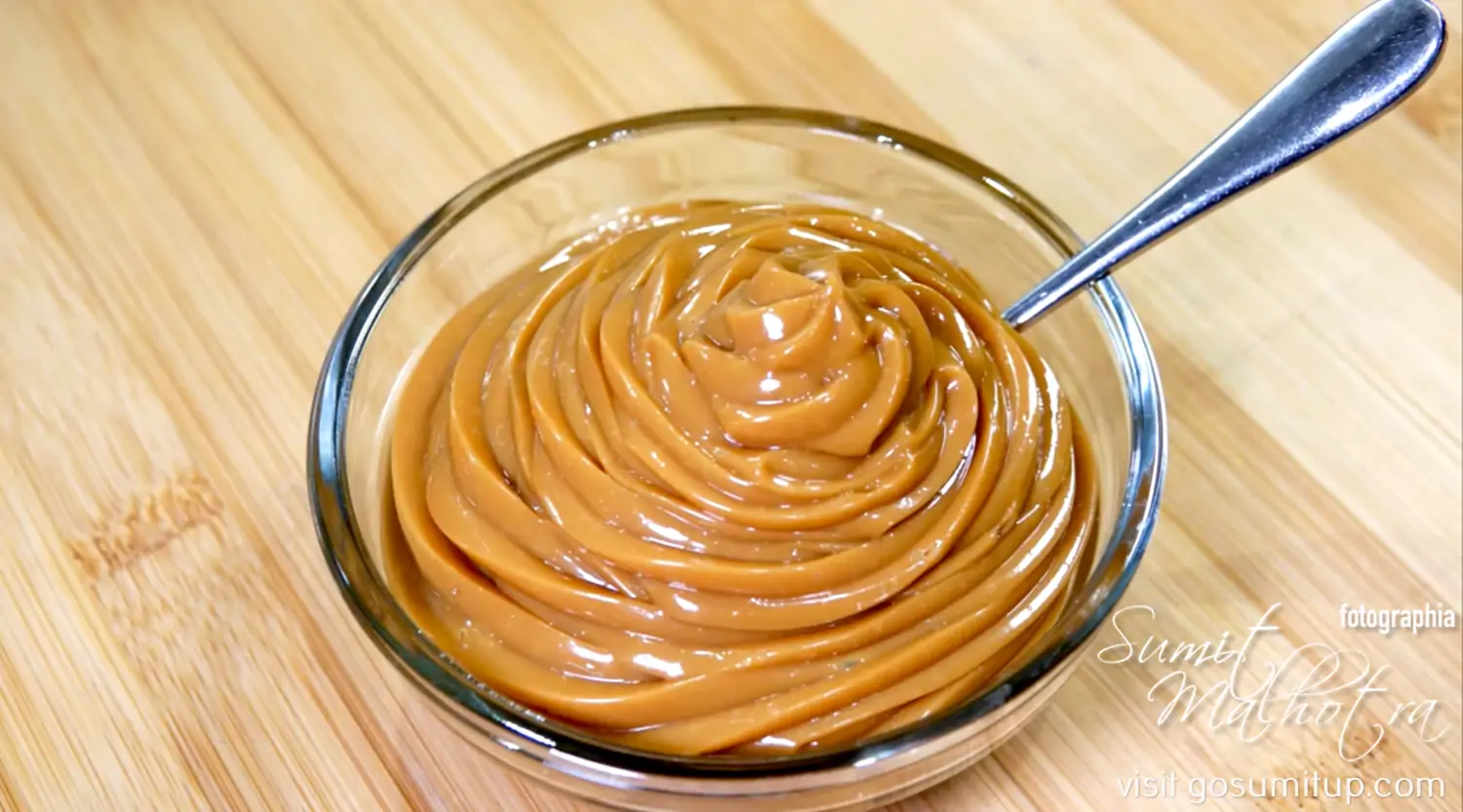
Dulce de Leche - Prepared
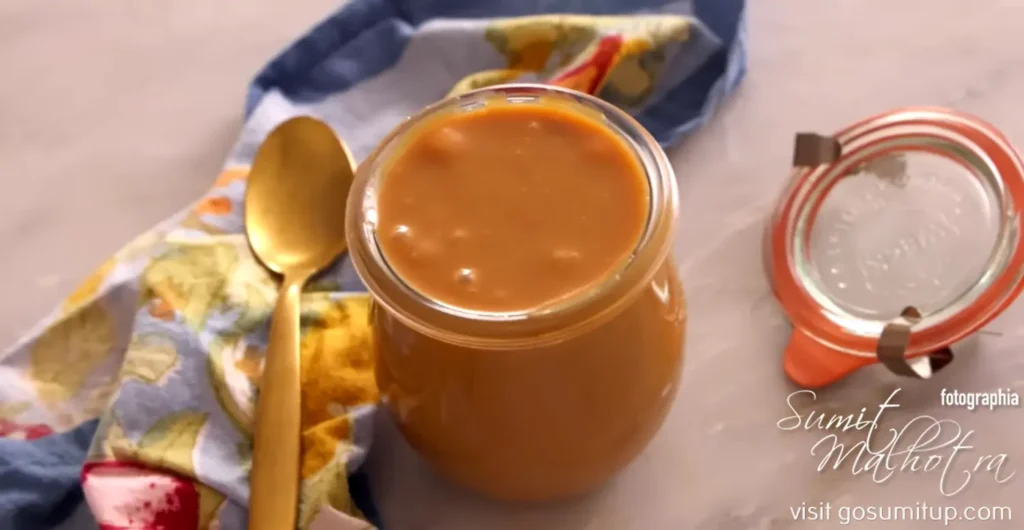
The Molecular Engineering: Maillard vs. Caramelization
To understand the "Golden Glow" of the jam, we must look at the Molecular Architecture of the cooking process.
To the uninitiated, Dulce de Leche is often called “milk caramel.” And there is the science of the Argentinian milk jam too that tops up the Argentinian dessert myths and legends.
From a technical perspective, this is a significant error. To understand the “Golden Glow” of the jam, we must look at the Molecular Architecture of the cooking process.
The Chemistry of the Glow:
Caramelisation: This is the oxidation of sugar at high temperatures. It is a simple sugar-breakdown process.
The Maillard Reaction: This is the true soul of Dulce de Leche.
It is a chemical reaction between amino acids (the building blocks of milk protein) and reducing sugars.
This reaction is what gives seared steak its crust, toasted bread its flavour, and Dulce de Leche its deep, complex, nutty profile.
So, why do you add baking soda to Dulce de Leche?
The Catalyst—Baking Soda: You will find a pinch of Sodium Bicarbonate in every authentic recipe. This isn’t for flavour; it’s for Chemical Engineering.
Alkalinity: The baking soda raises the pH of the milk.
The Maillard reaction occurs more rapidly in an alkaline environment, allowing the milk to brown without needing extreme temperatures that would burn the sugars.
Structural Stability: It prevents the milk from curdling (separating into curds and whey) during the long, 3-hour simmering process, ensuring the final product is a perfectly smooth emulsion.
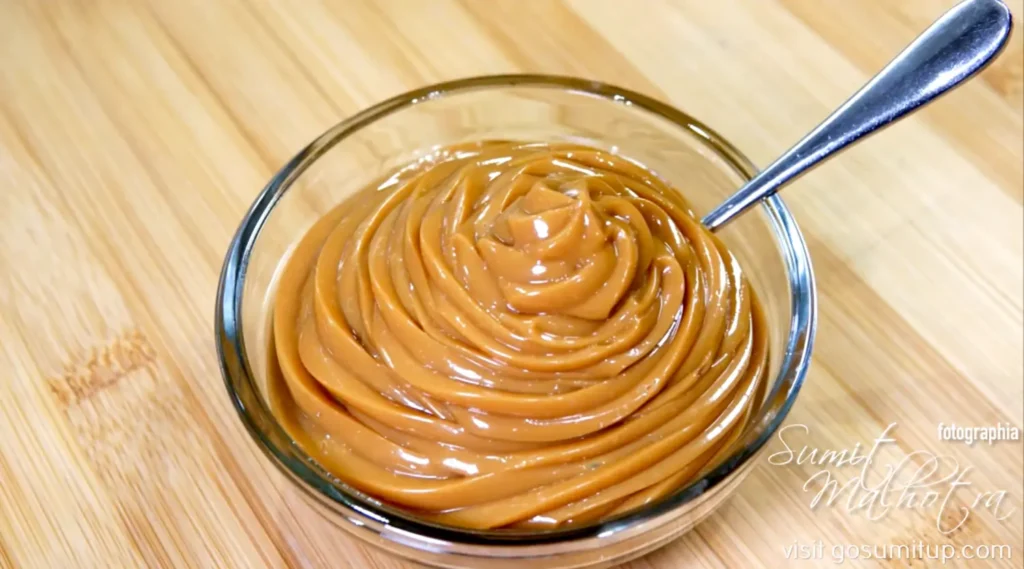
Dulce de Leche - Sticky Texture Beaten
The Alfajor: The Ultimate Architectural Application
Two delicate cookies joined by a layer of Dulce de Leche
The Alfajor—two delicate cookies joined by a layer of Dulce de Leche—is the most sophisticated application of this milk jam. It is a study in Material Contrast.
The Mechanical Layers:
The Substrate (The Cookie): Usually a cornstarch-based biscuit (alfajor de maicena) designed to be extremely crumbly and dry.
The Adhesive (The Dulce): The jam acts as a moisture barrier.
It donates just enough hydration to the dry cookie to make it “melt-in-the-mouth” while maintaining its own structural thickness.
The Seal (The Coating): Often dipped in dark chocolate or meringue.
This creates a hermetic seal that protects the Dulce de Leche from oxidation, allowing the alfajor to remain fresh for weeks.
The Assembling of Empanada
The "Brix" Level and the Dehydration Curve
Cooking Dulce de Leche is an exercise in Thermodynamics.
Cooking Dulce de Leche is an exercise in Thermodynamics. You begin with 4 litres of milk and 1 kilogram of sugar, and you end with a fraction of that volume.
Evaporation Management: The milk must stay at a “lazy bubble”—enough to drive off water vapour but not enough to scald the bottom of the copper pot.
The Brix Test: Industrial producers use refractometers to measure the Brix level (the sugar concentration).
For Dulce de Leche, the target is usually 68% to 70%.
At this concentration, the sugar acts as a natural preservative, inhibiting bacterial growth and making the product shelf-stable for months without artificial additives.
Argentina 2026: The "Artisanal-Tech" Hybrid
In the modern landscape of 2026, Dulce de Leche is undergoing a technological renaissance.
Vacuum-Pulse Cooking: High-end producers are now using vacuum chambers to cook the milk at lower temperatures.
This preserves the “fresh milk” floral notes that are usually lost in high-heat boiling, while still achieving the Maillard browning.
Flavour Infusions: We are seeing the rise of “Terroir-specific” Dulce de Leche, where the milk is sourced from specific Patagonian breeds of cows grazing on wild clover, creating a flavour profile that reflects the geography of the land.
The Global Export Standard: In 2026, Argentina has streamlined its export protocols, leading to the best Dulce de Leche brands in Argentina 2026.
By using Nitrogen-Flushed packaging, these ensure that an alfajor opened in Kolkata or London tastes exactly as it did the moment it was sealed in Buenos Aires.
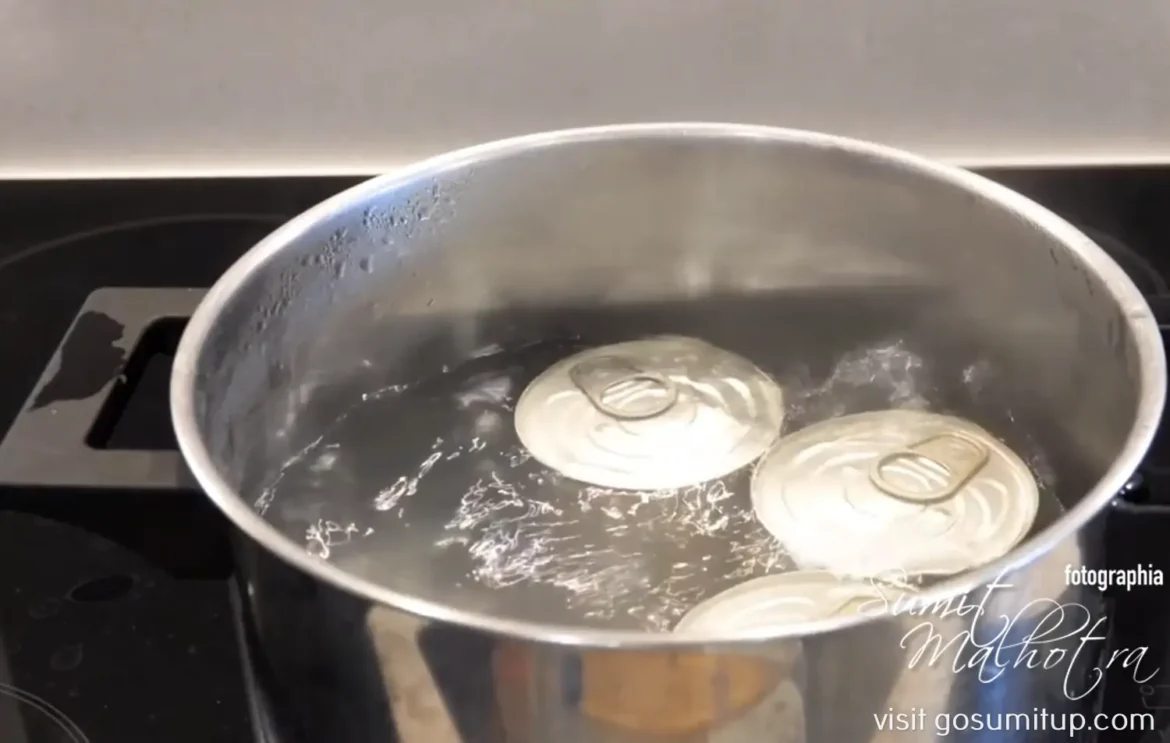
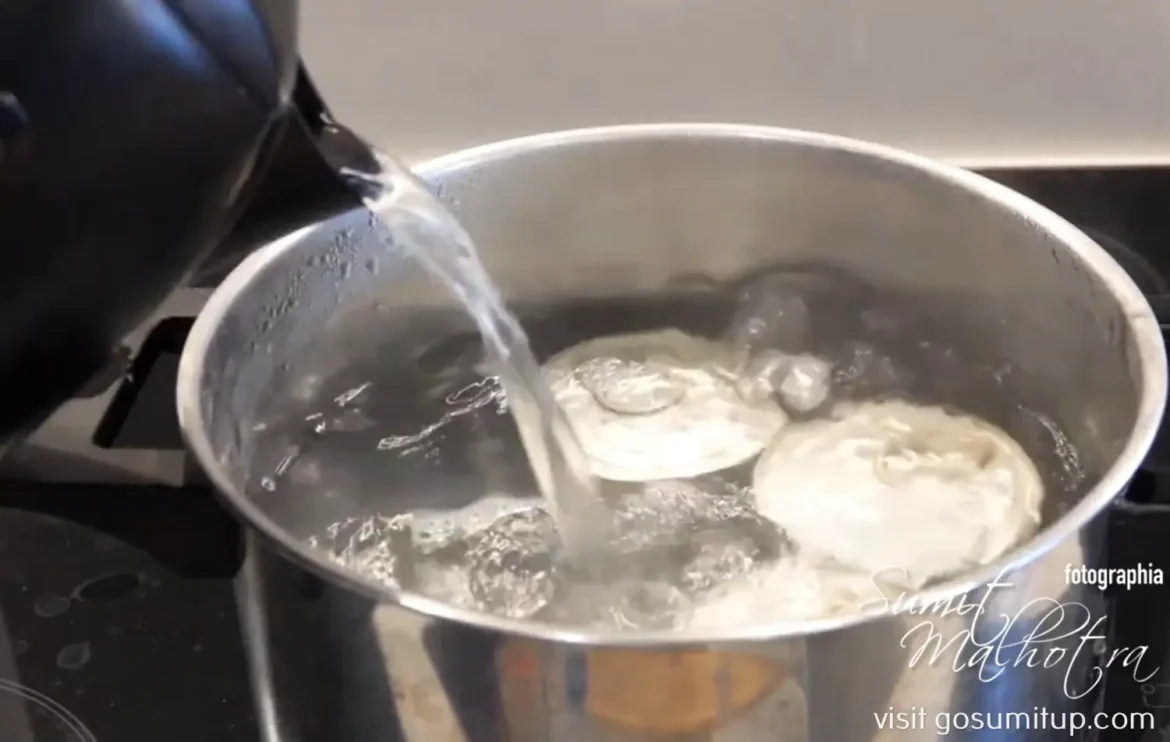
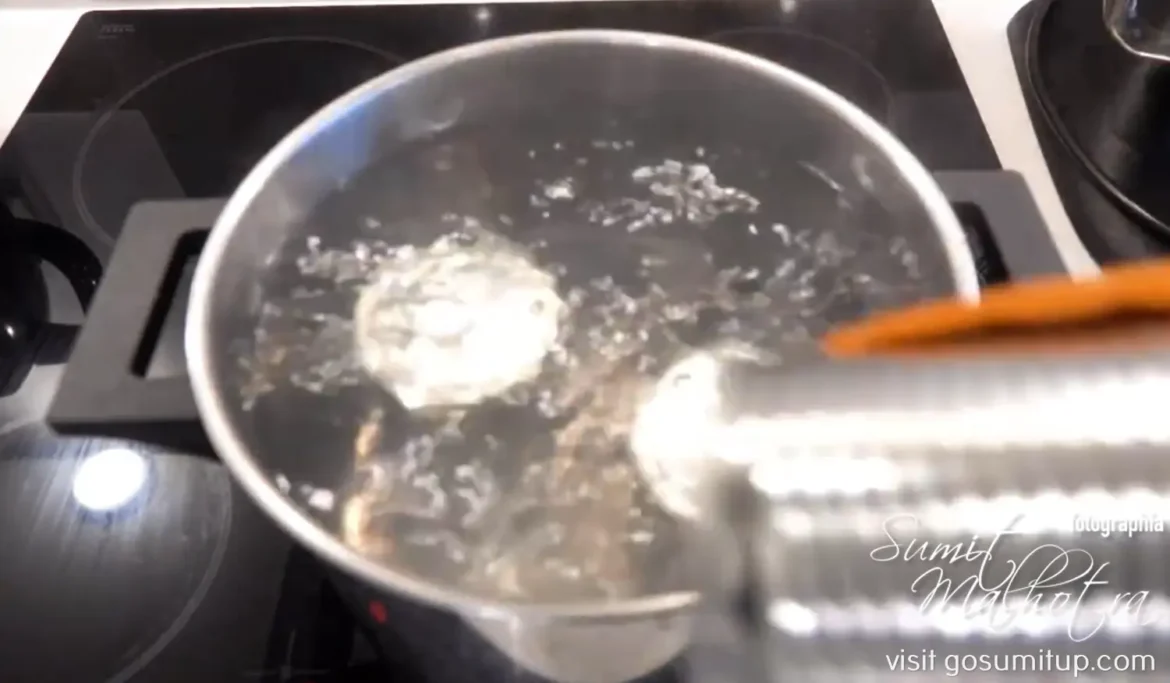
Preparation of Dulce de Leche
If you are a traveller and or just love to drive, you may find below a list of items that will fortify & thus enrich your travel experience.
I use many of these myself for my trips. They are modestly priced and quite important to keep handy.
- Travel Adapter – https://amzn.to/3A04EJp
- Action Camera – https://amzn.to/4eCSMfF
- Camera Mounts & Accessories – https://amzn.to/4eG4je2
- Dashcam – https://amzn.to/3U2j4Qc
- Neck Rest – https://amzn.to/3Y6ZP98
- Tyre Inflator – https://amzn.to/3U8HpDP
- Storage – https://amzn.to/3XVQFMI
- Car Laptop Charger – https://amzn.to/3XXMVdA
- Vacuum Cleaner Cordless – https://amzn.to/3Yo1hWd
- Air Mattress – https://amzn.to/4015Bvu
- Jack Ratchet Wrench – https://amzn.to/3YkxddO
- Cleaning Cloth Microfibre – https://amzn.to/3NIOFmt
- Rechargeable Solar LED Torch – https://amzn.to/3Yj4h5Y
- Electronics Accessories Organiser – https://amzn.to/3A04XUz
- Pocket Travel Data Transfer Tool – https://amzn.to/3zMTxnc
- Smart Tracker for Keys – https://amzn.to/3BTuIq0
- Camping Cookware Kit – https://amzn.to/3BIy0N3
- Sleeping Bag – https://amzn.to/3U7v2rP
GoSumItUp is a personal blog written and edited personally by me. All opinions expressed are my own, which are honest and have not been influenced by any means.
My reviews are dependent on the visits at the time, and revisits will be reviewed again as they may have a different experience or the same.
I am not a food critic nor do I consider myself as one; this platform allows me to write and review my own personal dining experiences, whether good or bad, delicious or not, all of which are honest and truthful opinions.
Suppose you disagree or agree with me at any point, or do not receive the same experiences as I have. In that case, I do not hold any responsibility as everyone will have their own experiences that they will encounter themselves.
I pay for all meals. However, if any meals or products have been sponsored or compensated or if I was a guest, it will be clearly disclosed at the end of each review.
All images on this blog are my own unless stated otherwise. If you wish to use any of my photography for any purposes, please do not use it without any written permission and give credit and/or link back to the website.
If you would like to send a product or any sponsors/endorsements, it may or may not be published and reviewed on the website.
If you wish to send any products or invitations for any media, press or collaborations, etc., consider if it is something related to the content of the website, and if you see fit, please visit the Contact page for contact details.
Thank You.
Thank you for visiting GoSumItUp! I hope you enjoy the reviews & recipes found at www.gosumitup.com.
This page consists of disclaimers regarding the recipe, its outcome, nutrition, and food handling safety decisions.
The recipes have been cooked and compiled by me for general information only and should not be used to diagnose or treat any medical condition/s.
This information is not intended to diagnose, treat, cure, or prevent any disease as well.
GoSumItUp.com has used all reasonable care in compiling the information but offers no warranty as to its accuracy or its use in any possible form.
Consult a doctor or other health care professional for diagnosis and treatment of any medical condition/s. For more details please refer to our disclosure policy.
If you like this article, you can let us know in the comments below or on social media using #gosumitup and tag @gosumitup on Facebook.
I am always happy to read your feedback, and if you liked the dish or if you made the dish. :)
Better still, take a picture and post it on Instagram and tag it as #gosumitup
Connect directly – You can also connect with me directly on my Instagram, Facebook or Pinterest.
And, keep visiting us for more of such awesomeness. Bookmark gosumitup.com into your web browser now or simply subscribe to our browser notifications.