Linzer Torte – Read & learn about Linzer Torte History, Oldest Cake Recipe In The World, Austrian Lattice Tart, Traditional Linzer Torte, Ground Hazelnuts, Almond Flour Dough, Red Currant Jam, Mürbeteig Shortcrust Pastry, Warm Winter Spices, Gluten Free Shortcrust Mechanics, Nut Flour Baking Physics, Pectin Gel Matrix, Moisture Migration Resting Phase, Capillary Vaporization, Linzer Torte Recipe 1653, Austrian Confectionery Folklore, How To Handle Crumbly Dough, Lattice Crust Workaround
Walk into any traditional bakery in Austria, and you will find a round pastry decorated with a neat, crisscross pattern of dough over a glistening bed of dark red currant jam.
This is the Linzer Torte.
For generations, tour guides, history books, and pastry boxes have proudly repeated a simple story.
That this Linzer Torte, an elegant, spiced lattice tart, was the brilliant invention of a nineteenth-century baker named Linzer, who named the creation after his beloved home city of Linz.
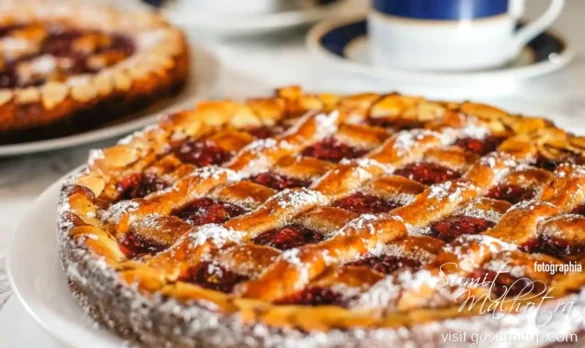
Finished Starred Linzer Torte
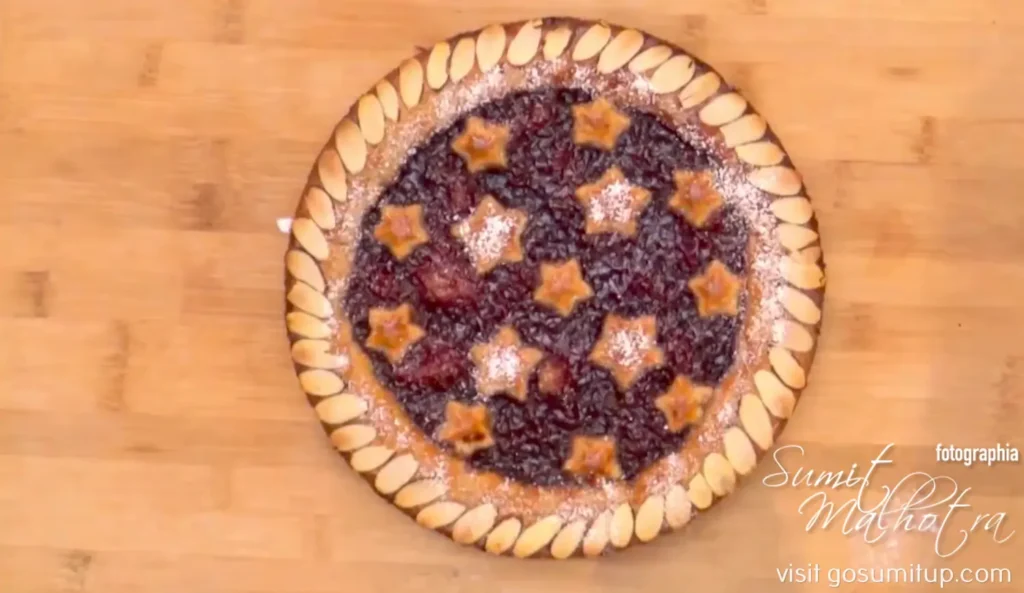
It is a charming tale that paints the dessert as a sudden stroke of culinary genius from the golden age of Austrian baking.
However, historical archives and the fundamental rules of kitchen science tell a completely different story.
The Linzer Torte was not invented by a man named Linzer, nor does it belong to the modern era of fancy pastry shops.
Instead, it holds a far more impressive title: it is officially the oldest written cake recipe discovered anywhere in the world.
More importantly, its iconic lattice design wasn’t created just to look pretty.
It was born out of a clever, practical solution to a major problem that early European home cooks faced: how to bake a delicious cake when you cannot get your hands on standard wheat flour.
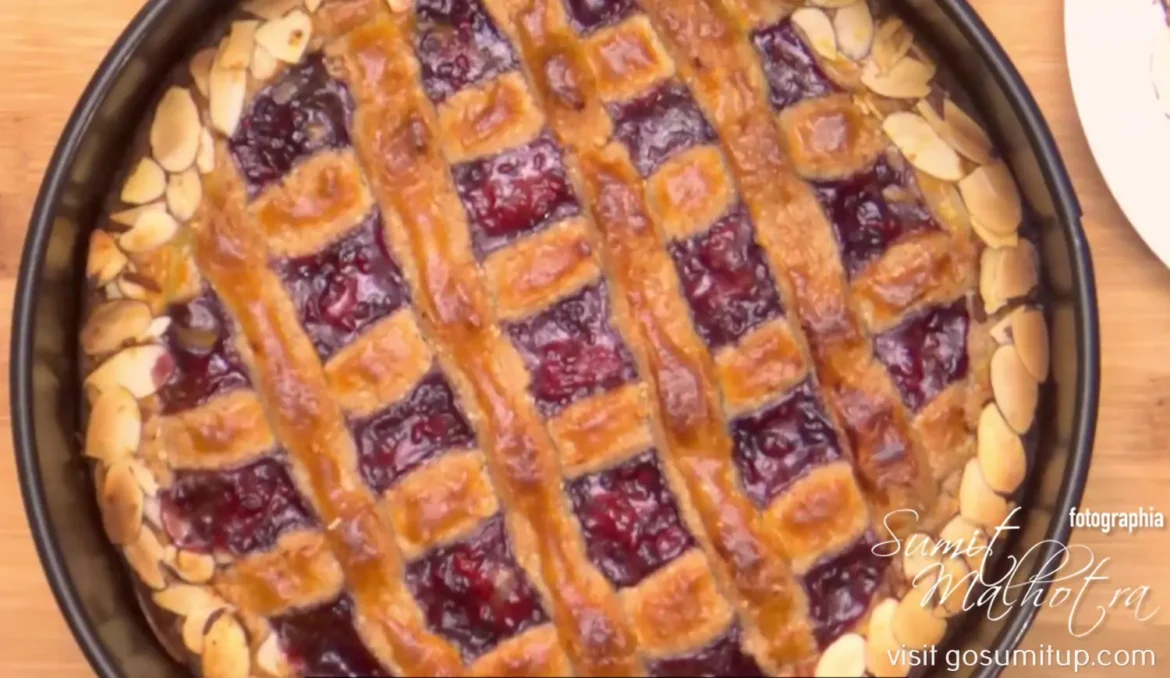
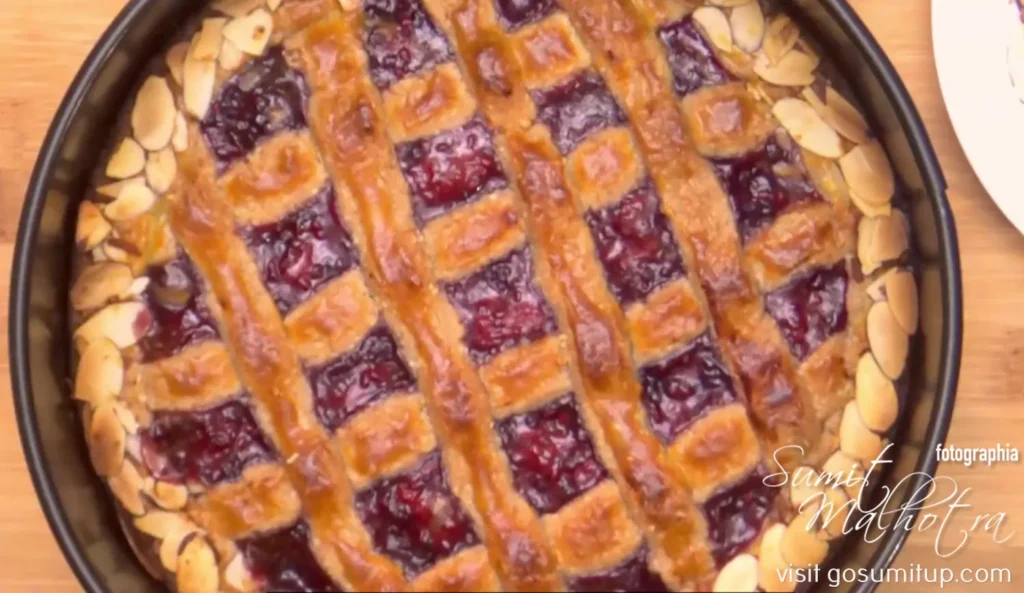
Lattice Linzer Torte Resting
Unmasking the Baker Named Linzer
In the early 1960s, a director at the Landesmuseum in Upper Austria made a stunning discovery while archiving a collection of historical manuscripts.
The legend of a mastermind baker named Linzer creating the tart in the 1800s falls apart when you look at actual historical documents.
In the early 1960s, a director at the Landesmuseum in Upper Austria made a stunning discovery while archiving a collection of historical manuscripts.
Tucked away inside a recipe notebook belonging to a young Veronese countess named Anna Margarita Sagramosa, there was a handwritten recipe for Linzer Torte dated 1653.
This single finding pushed the known history of the cake back by nearly two centuries.
A 1653 recipe means that families were baking this tart long before the rise of the great Viennese coffeehouses, before the Habsburg Empire reached its cultural peak, and centuries before anyone named “Linzer” could have set up a commercial bakery in town.
The name doesn’t refer to a person at all; it was simply a geographical marker.
The city of Linz sat directly along major Danube trade routes, making it a bustling hub where exotic goods changed hands.
The cake became famous under the city’s name because Linz was one of the few places where a wealthy household could regularly acquire the expensive imports needed to make it, such as white sugar, almonds, and warm winter spices.
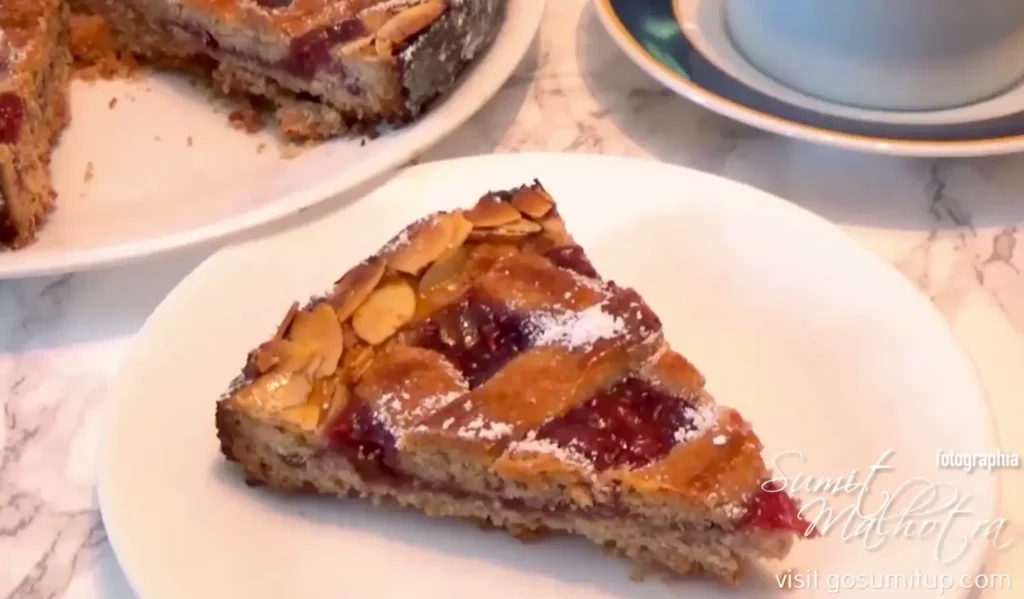
A Slice of Linzer Torte
Why the Lattice is a Baking Workaround
While the fragile dough could not be lifted as a single, wide sheet, it could be handled in smaller, controlled pieces.
Because early bakers could not roll the nut-heavy dough into a flat top crust to cover their jam, they had to innovate.
They realised that while the fragile dough could not be lifted as a single, wide sheet, it could be handled in smaller, controlled pieces.
[Fragile Nut Dough] ➔ Cannot lift as a large sheet ➔ Roll into small, thin logs ➔ Lay in a crisscross pattern
Instead of fighting the crumbly nature of the dough, bakers rolled the mixture into small, thin logs or pressed it through a primitive pastry syringe directly onto the cake.
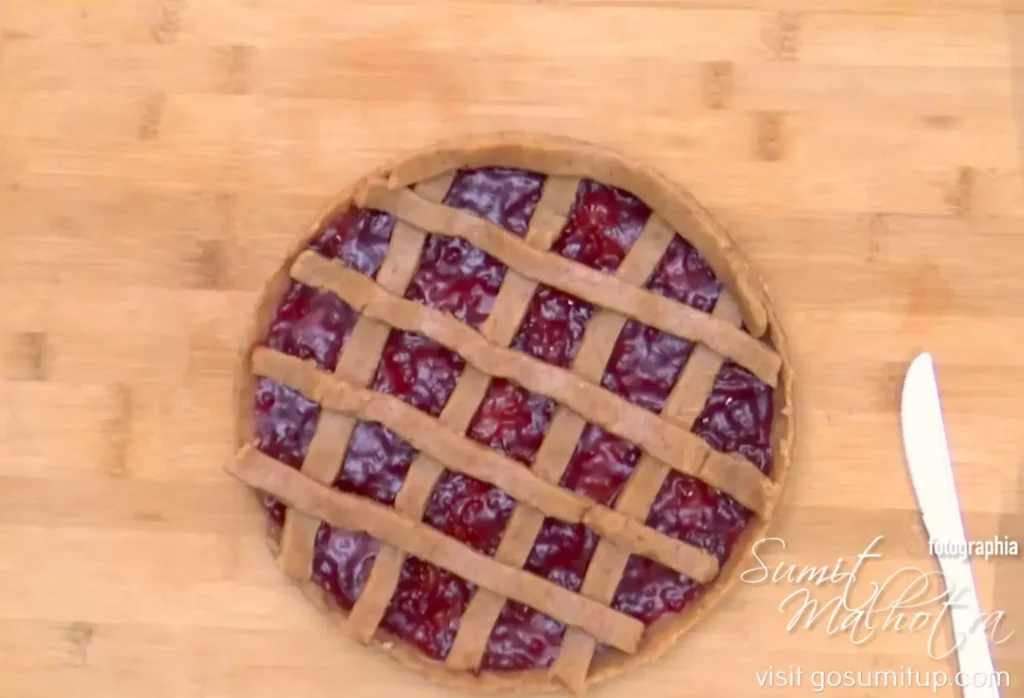
By laying these thin strips across a thick bed of tart red currant jam in a diagonal, crisscross pattern, they created a stable top cover.
This lattice design was a brilliant workaround.
It used the structural limits of nut-based dough to its advantage, letting the steam escape from the bubbling jam while keeping the pastry crisp.
The beautiful pattern that we consider a classic decorative style today was actually born as a clever mechanical solution to a gluten-free baking problem.
Lattice Linzer Torte
Setting the Glass-Like Jam Layer
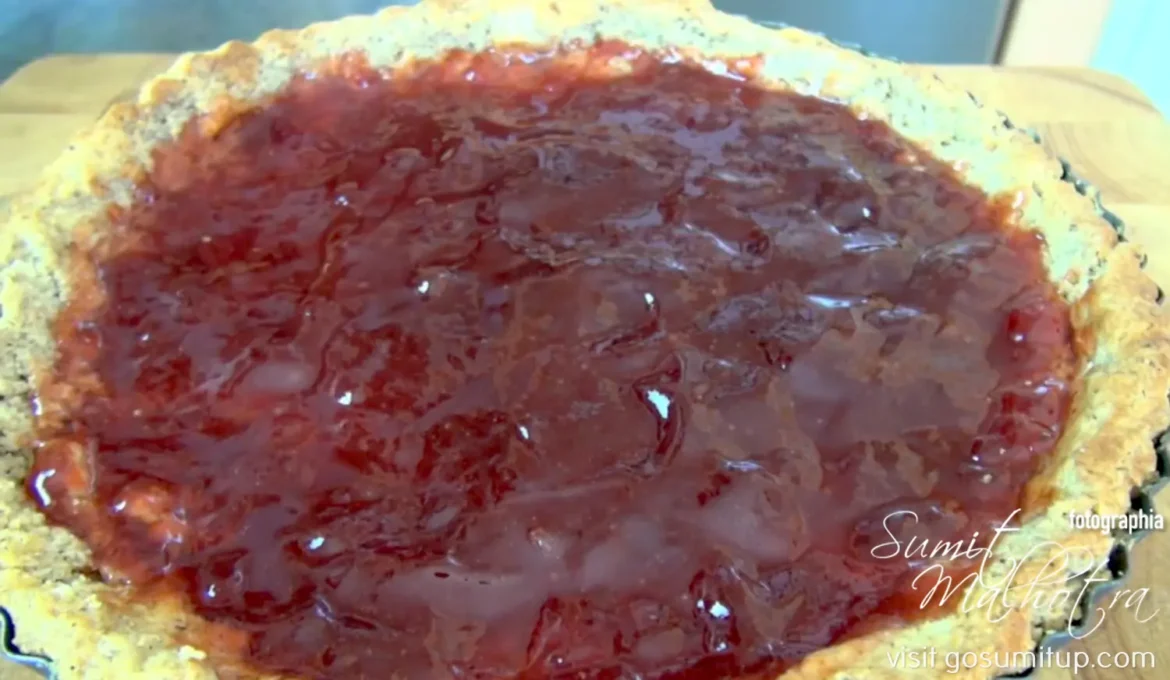
A traditional recipe calls for a thick spread of red currant jam (Rote Johannisbeere).
The middle layer of a true Linzer Torte is just as scientifically deliberate as its crust.
A traditional recipe calls for a thick spread of red currant jam (Rote Johannisbeere).
This isn’t just for a pop of colour; the choice of red currant is essential for managing moisture inside the oven.
Red currants are naturally packed with a high concentration of pectin, a structural carbohydrate found in the cell walls of tart fruits.
When you boil red currants with sugar to make jam, the pectin molecules bind together to form a firm, gelatinous mesh.
When the torte goes into a hot oven, this high-pectin jam layer acts as a heat barrier.
Instead of turning watery and soaking into the bottom crust—which would make the base soggy and ruin the texture—the jam holds its shape perfectly.
As the torte bakes, the moisture inside the jam slowly vaporises, rising up through the open spaces of the lattice crust.
This steam, bathes the underside of the nut strips, softening them into a melt-in-your-mouth texture while the exposed tops bake into a golden, nutty crunch.
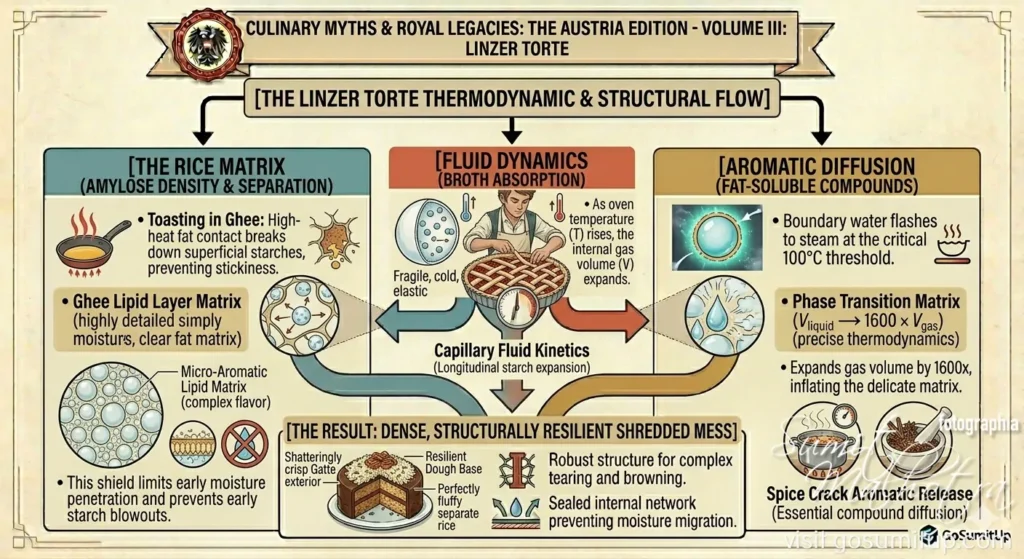
The Linzer Torte Thermodynamics & Structural Flow
The Magic of the Rest Phase
Linzer Torte requires a final, passive step that happens completely outside the oven: the rest phase.
If you try to eat a Linzer Torte straight out of the oven, you will likely be disappointed.
The crust will feel overly dry, the nut flour will taste slightly gritty, and the pastry will crumble into a mess on your plate.
This is because the Linzer Torte requires a final, passive step that happens completely outside the oven: the rest phase.
Traditional recipes insist that the baked torte must be wrapped tightly and stored in a cool place for at least two to three days before slicing.
During this resting period, a slow exchange of moisture takes place inside the wrapped pastry:
Moisture Migration: The firm red currant jam slowly releases its remaining water vapour into the dry, tightly packed nut crust above and below it.
Softening the Crumb: The ground hazelnuts absorb this ambient moisture, causing the fats and sugars to settle and soften.
Flavour Development: The aromatic winter spices—cinnamon, cloves, and lemon zest—dissolve thoroughly into the fats of the butter and nuts, spreading evenly throughout the entire dessert.
When the rest phase is complete, the torte undergoes a complete textural transformation.
The crumbly, sandy layers turn into a rich, tender, and unified pastry that slices cleanly and melts on the tongue, showing how patience finishes what kitchen physics started.
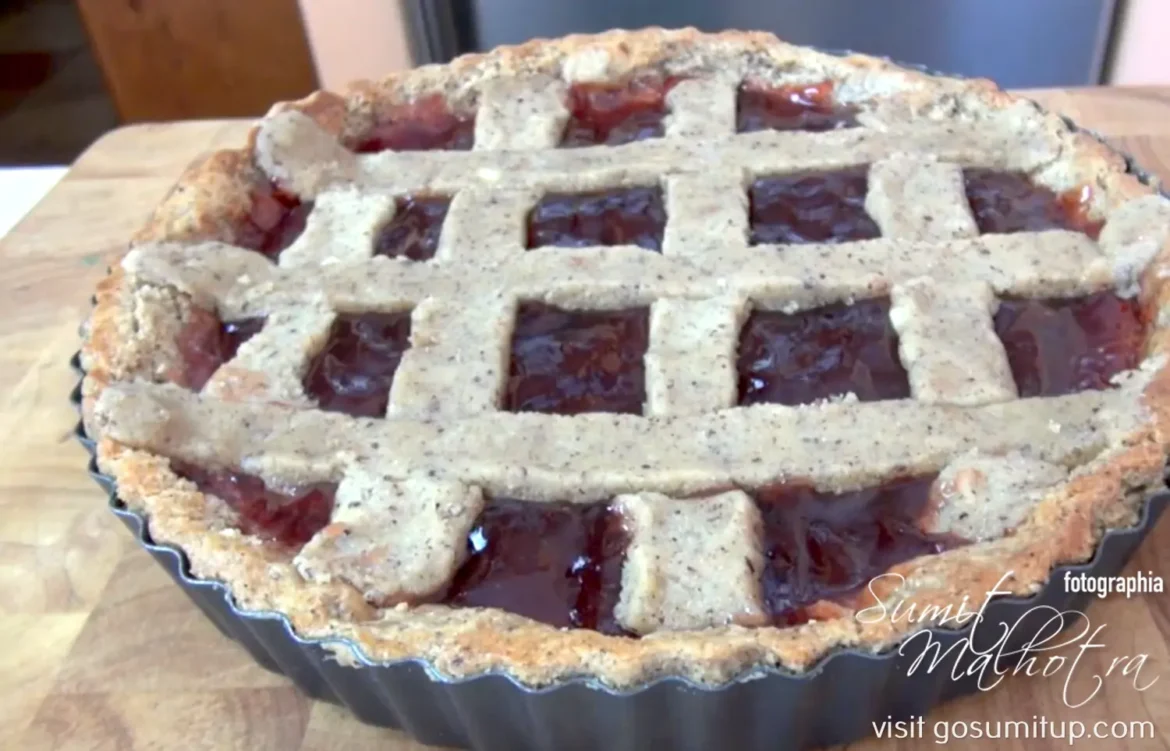
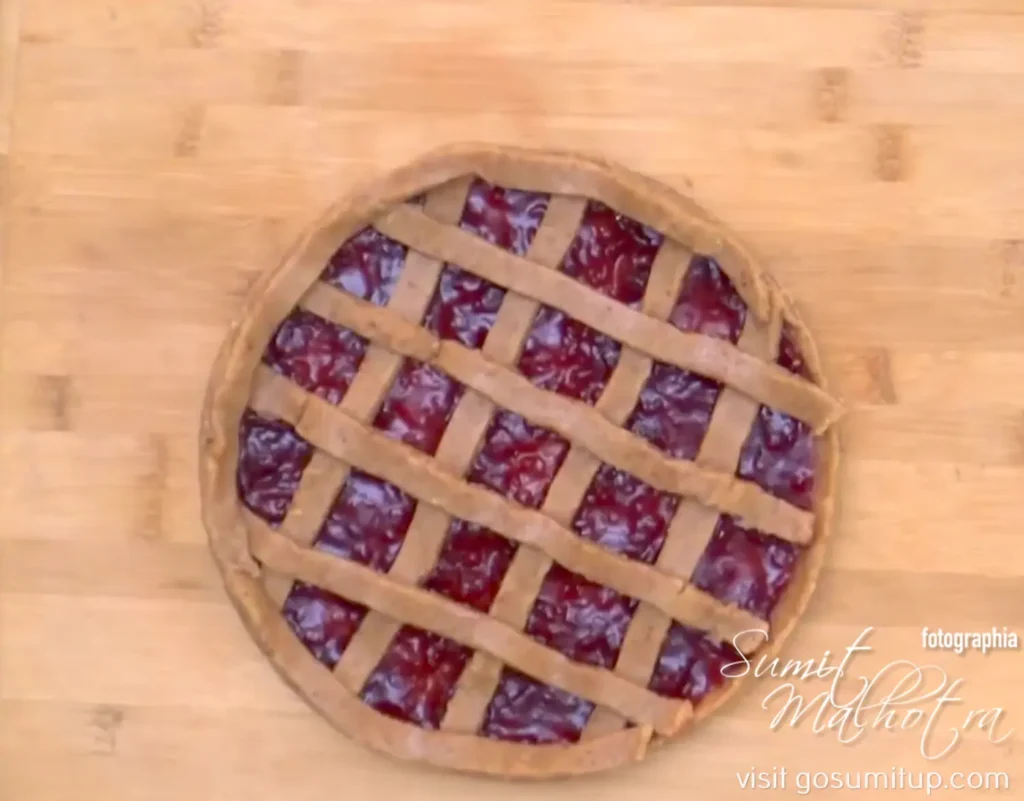
Lattice Linzer Torte Ready for Oven
A "Sumit Up" Culinary Insight
The myth is that the dish was invented by Salome Alt, the famous companion and secret wife of Salzburg’s Prince-Archbishop Wolf Dietrich von Raitenau, in the early 17th century.
The Linzer Torte teaches us that true culinary innovation rarely comes from a perfectly pristine environment; it is almost always born out of limitations.
When early home cooks were cut off from standard wheat flour, they didn’t stop baking—they engineered a completely new way to construct a pastry using ground nuts.
The lesson here for the modern kitchen is profound: when a recipe or an ingredient fails to behave the way you expect, don’t force it to conform.
Change your technique to match the strengths of your ingredients.
By embracing the delicate, crumbly nature of nut flour instead of fighting it, those 17th-century bakers didn’t just solve a dinner dilemma.
They created a timeless visual icon and the oldest recorded cake recipe in human history.
Want to see how this beautiful lattice technique comes together in a modern kitchen?
Check out Mastering the Linzer Torte Lattice Technique for a visual step-by-step guide to working with delicate, nut-based shortcrust dough.
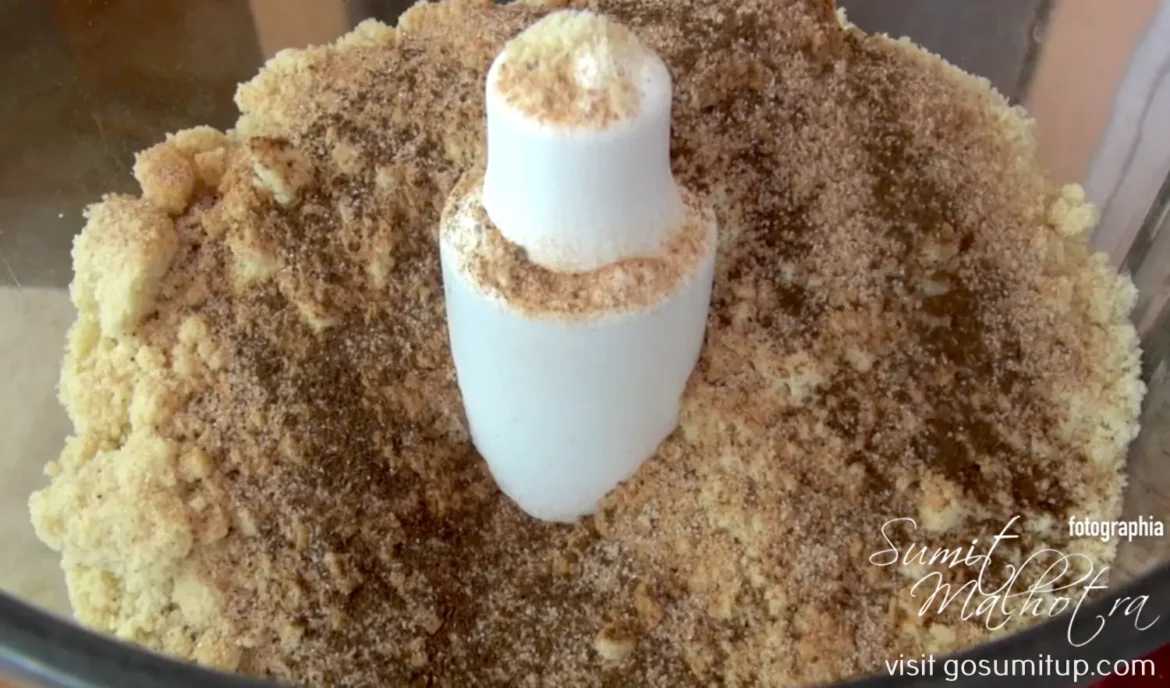
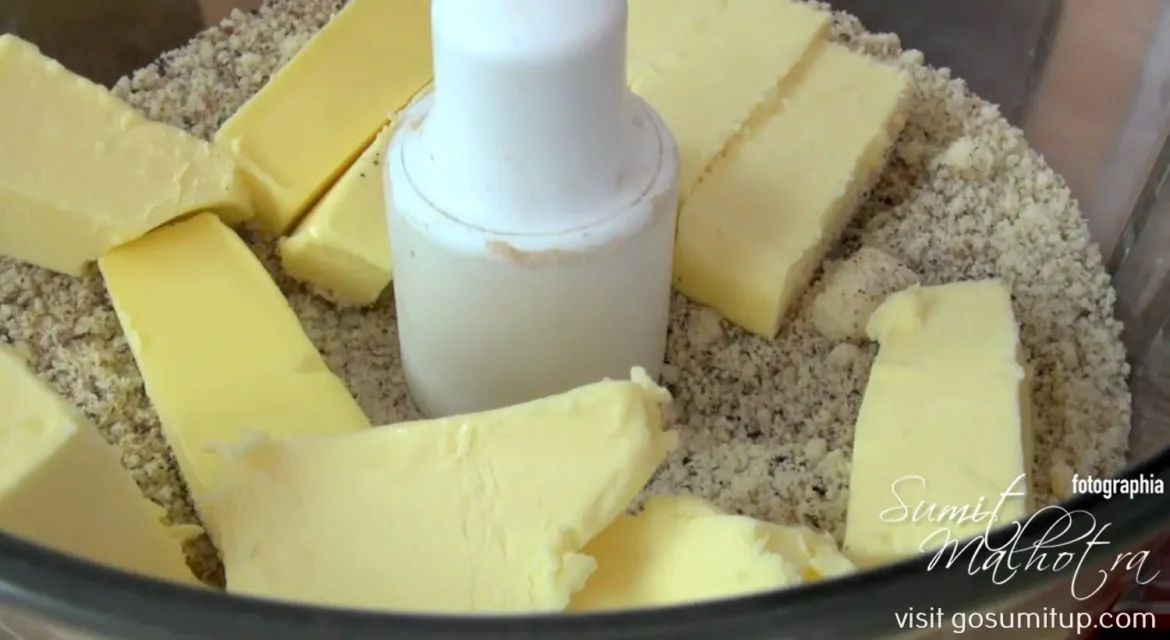
Process of Making The Linzer Torte (Part1)
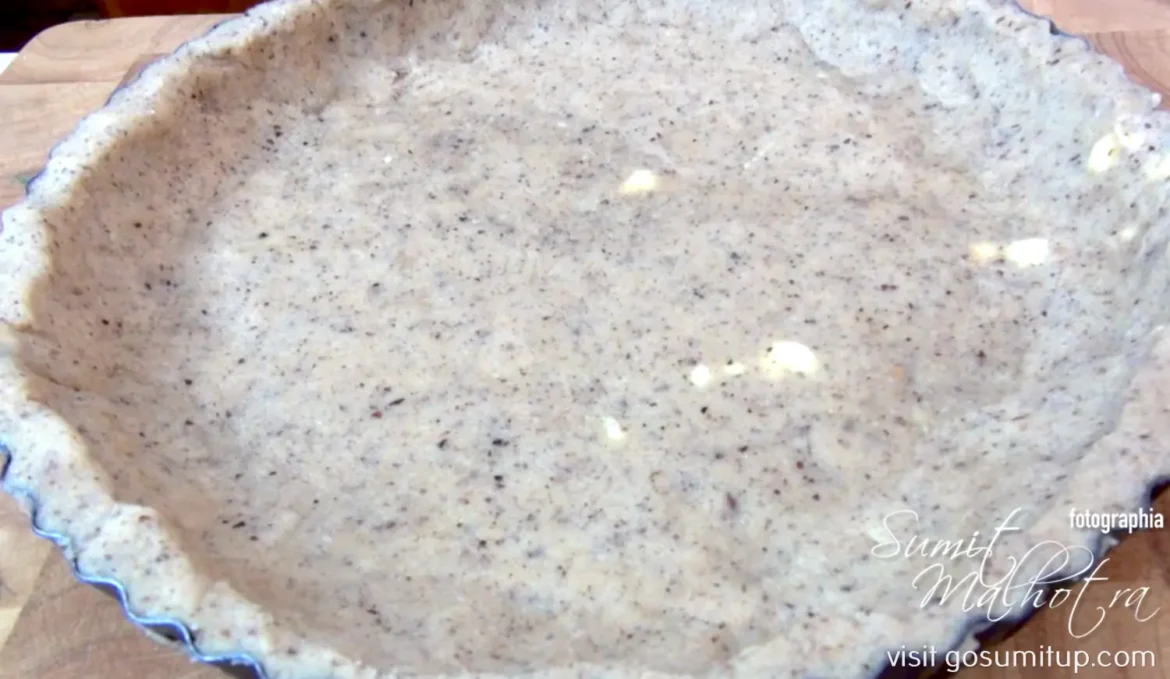
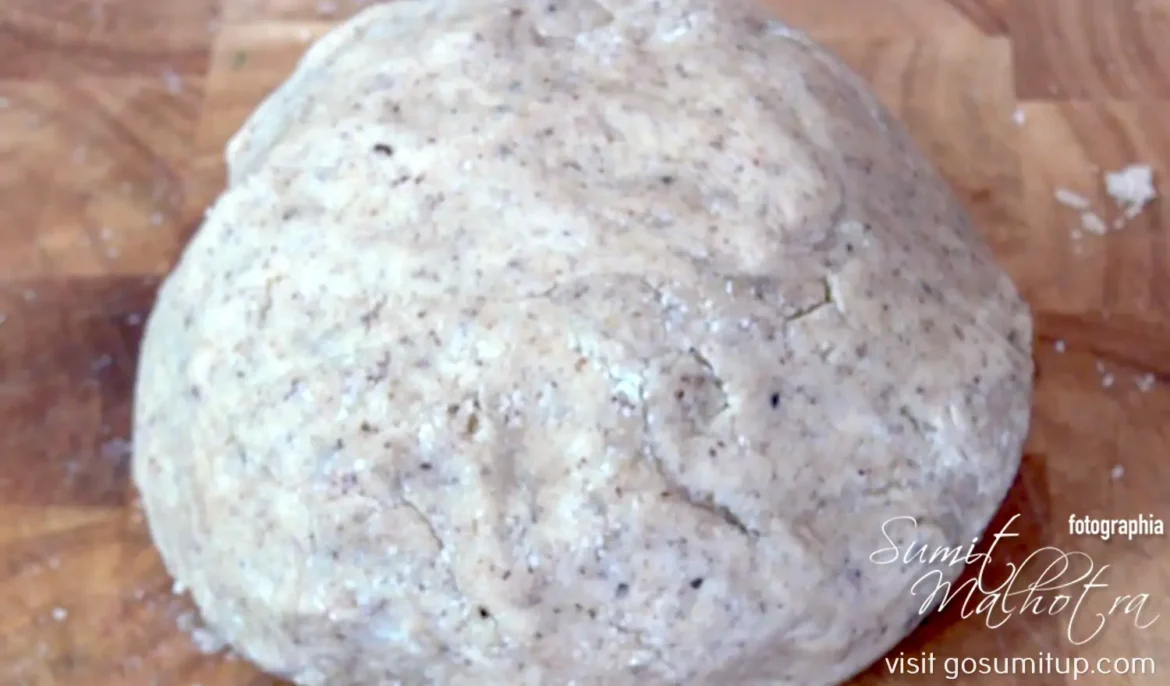
Process of Making The Linzer Torte (Part2)
If you are a traveller and or just love to drive, you may find below a list of items that will fortify & thus enrich your travel experience.
I use many of these myself for my trips. They are modestly priced and quite important to keep handy.
- Travel Adapter – https://amzn.to/3A04EJp
- Action Camera – https://amzn.to/4eCSMfF
- Camera Mounts & Accessories – https://amzn.to/4eG4je2
- Dashcam – https://amzn.to/3U2j4Qc
- Neck Rest – https://amzn.to/3Y6ZP98
- Tyre Inflator – https://amzn.to/3U8HpDP
- Storage – https://amzn.to/3XVQFMI
- Car Laptop Charger – https://amzn.to/3XXMVdA
- Vacuum Cleaner Cordless – https://amzn.to/3Yo1hWd
- Air Mattress – https://amzn.to/4015Bvu
- Jack Ratchet Wrench – https://amzn.to/3YkxddO
- Cleaning Cloth Microfibre – https://amzn.to/3NIOFmt
- Rechargeable Solar LED Torch – https://amzn.to/3Yj4h5Y
- Electronics Accessories Organiser – https://amzn.to/3A04XUz
- Pocket Travel Data Transfer Tool – https://amzn.to/3zMTxnc
- Smart Tracker for Keys – https://amzn.to/3BTuIq0
- Camping Cookware Kit – https://amzn.to/3BIy0N3
- Sleeping Bag – https://amzn.to/3U7v2rP
GoSumItUp is a personal blog written and edited personally by me. All opinions expressed are my own, which are honest and have not been influenced by any means.
My reviews are dependent on the visits at the time, and revisits will be reviewed again as they may have a different experience or the same.
I am not a food critic nor do I consider myself as one; this platform allows me to write and review my own personal dining experiences, whether good or bad, delicious or not, all of which are honest and truthful opinions.
Suppose you disagree or agree with me at any point, or do not receive the same experiences as I have. In that case, I do not hold any responsibility as everyone will have their own experiences that they will encounter themselves.
I pay for all meals. However, if any meals or products have been sponsored or compensated or if I was a guest, it will be clearly disclosed at the end of each review.
All images on this blog are my own unless stated otherwise. If you wish to use any of my photography for any purposes, please do not use it without any written permission and give credit and/or link back to the website.
If you would like to send a product or any sponsors/endorsements, it may or may not be published and reviewed on the website.
If you wish to send any products or invitations for any media, press or collaborations, etc., consider if it is something related to the content of the website, and if you see fit, please visit the Contact page for contact details.
Thank You.
Thank you for visiting GoSumItUp! I hope you enjoy the reviews & recipes found at www.gosumitup.com.
This page consists of disclaimers regarding the recipe, its outcome, nutrition, and food handling safety decisions.
The recipes have been cooked and compiled by me for general information only and should not be used to diagnose or treat any medical condition/s.
This information is not intended to diagnose, treat, cure, or prevent any disease as well.
GoSumItUp.com has used all reasonable care in compiling the information but offers no warranty as to its accuracy or its use in any possible form.
Consult a doctor or other health care professional for diagnosis and treatment of any medical condition/s. For more details please refer to our disclosure policy.
If you like this article, you can let us know in the comments below or on social media using #gosumitup and tag @gosumitup on Facebook.
I am always happy to read your feedback, and if you liked the dish or if you made the dish. :)
Better still, take a picture and post it on Instagram and tag it as #gosumitup
Connect directly – You can also connect with me directly on my Instagram, Facebook or Pinterest.
And, keep visiting us for more of such awesomeness. Bookmark gosumitup.com into your web browser now or simply subscribe to our browser notifications.