Read about Karabakh Motal Cheese, Motal şoru, Motal Cheese, Moto Cheese, Motal Cheese Microbiology, Karabakh Motal Shor, Goatskin Food Fermentation, Anaerobic Bioreactor Dairy, Azerbaijani Motal cheese
Find more about Lipolytic Enzyme Breakdown, Semi-Permeable Membrane Cheese, Volatile Organic Fatty Acids, Halophilic Bacterial Cultures, Motal, Motal pendir
Learn About Motal Shor, Karabakh Cheese, Dairy Microbiology, Anaerobic Fermentation, Food Science, Materials Science, Bioreactor, Enzymatic Lipolysis, Azerbaijani Cuisine, Culinary Myths
High in the alpine pastures of the Karabakh mountain range, ancient pastoral traditions culminate in a dairy product that defies modern commercial refrigeration.
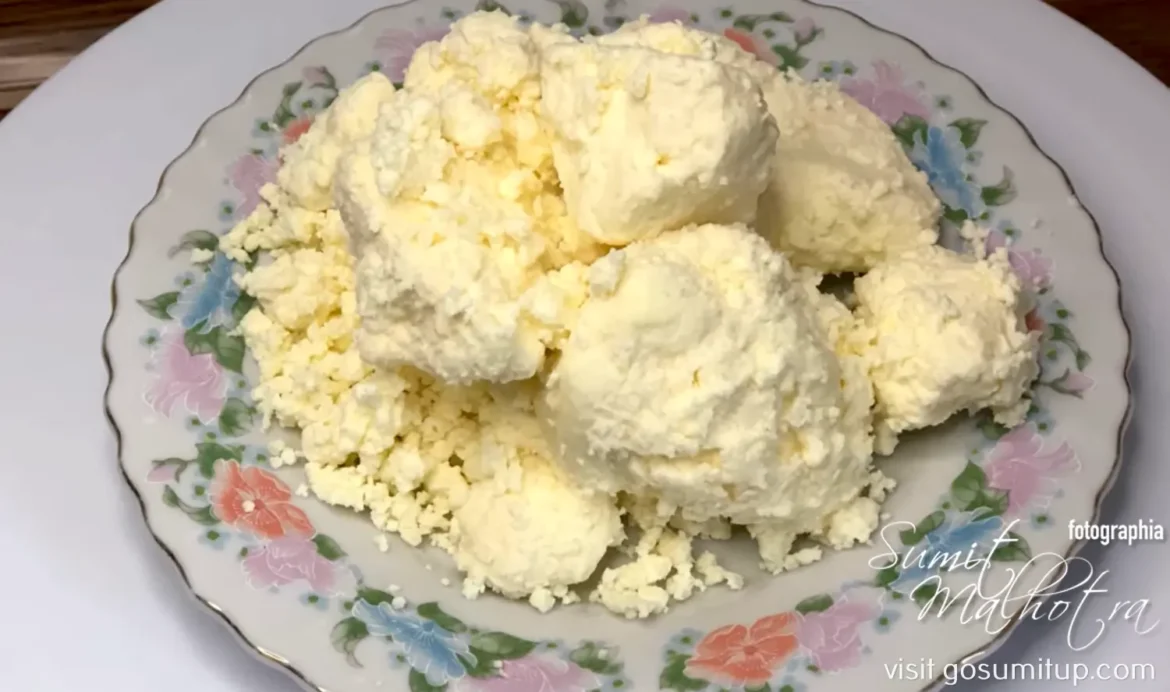
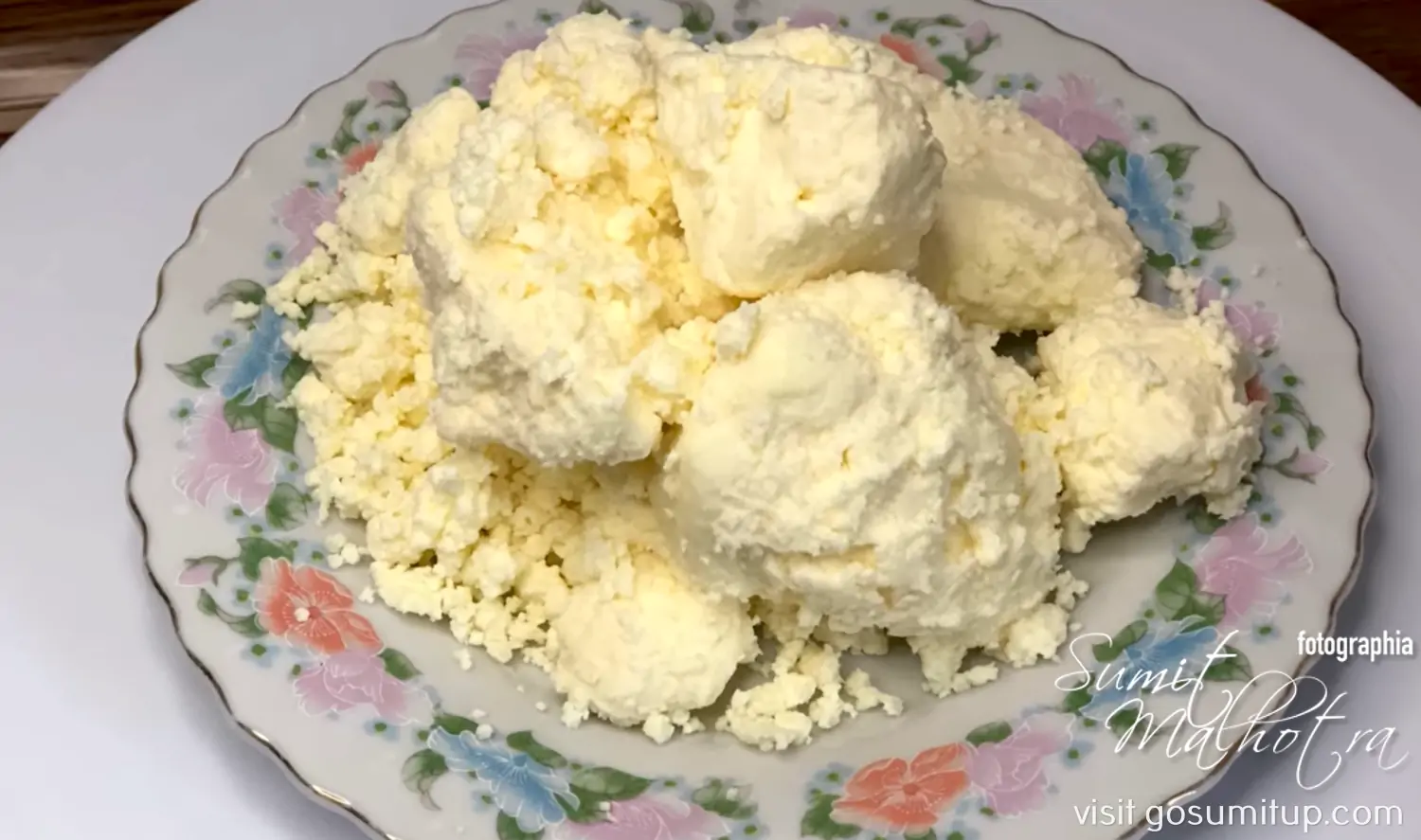
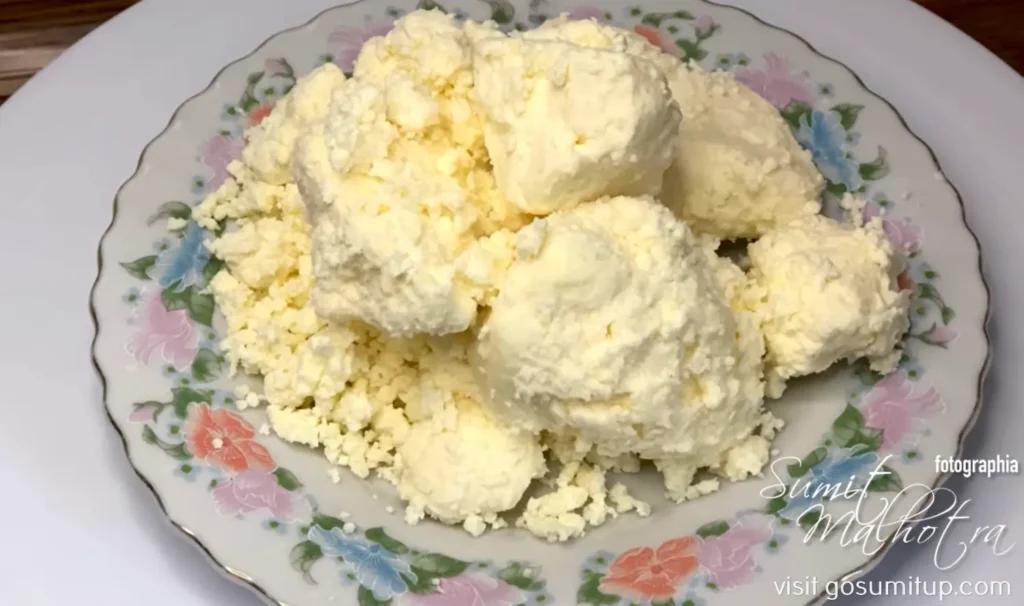
This is Motal Shor (natively written as Motal şoru), an intensely pungent, crumbly, and highly prized cheese.
It is not aged in temperature-controlled stainless steel facilities or pristine ceramic caves.
Instead, fresh sheep or goat curd is mixed with mountain herbs, packed tightly into a clean, inside-out goat or sheep skin called a Motal, stitched completely airtight with sinew, and buried deep within dark, subterranean earth trenches for three to six months.
Within Azerbaijani culinary folklore, the motal skin is treated as a living, spiritual extension of the flock.
Highland shepherds swear that the skin “breathes” the spirit of the mountain air and the mineral essence of the subterranean soil into the curds.
They maintain strict cultural laws: if the skin is stitched by someone with an anxious mind, or if the soil where it is buried is “bitter,” the skin will suffocate, causing the cheese to rot into an unpalatable slurry.
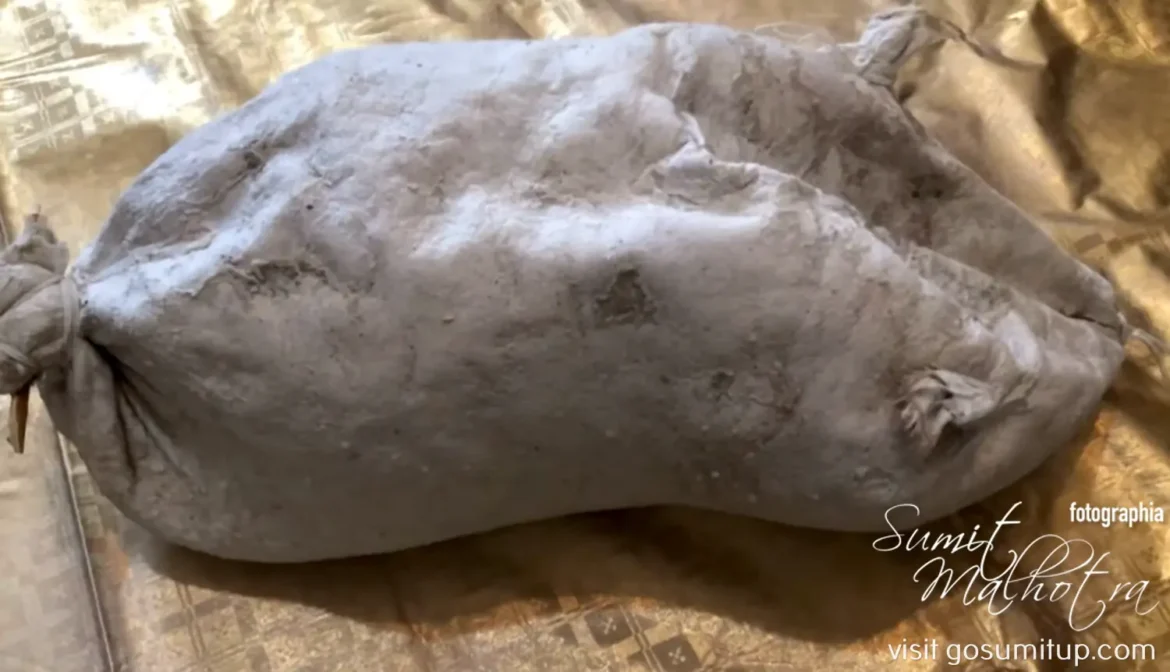
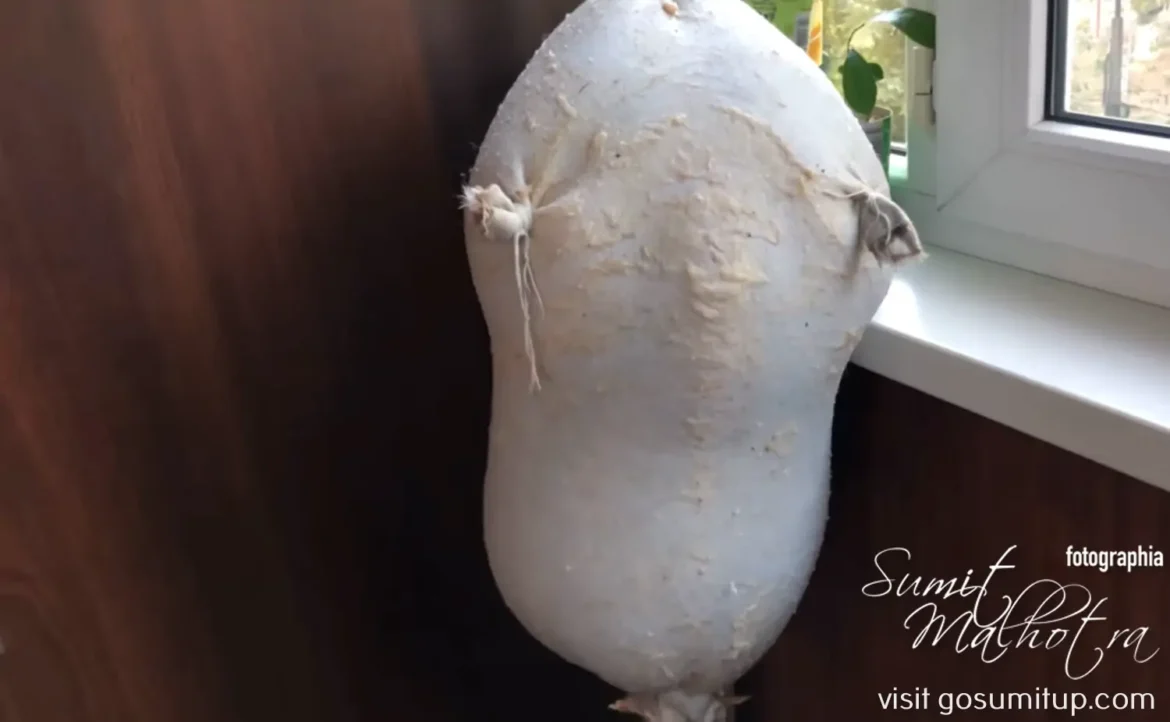
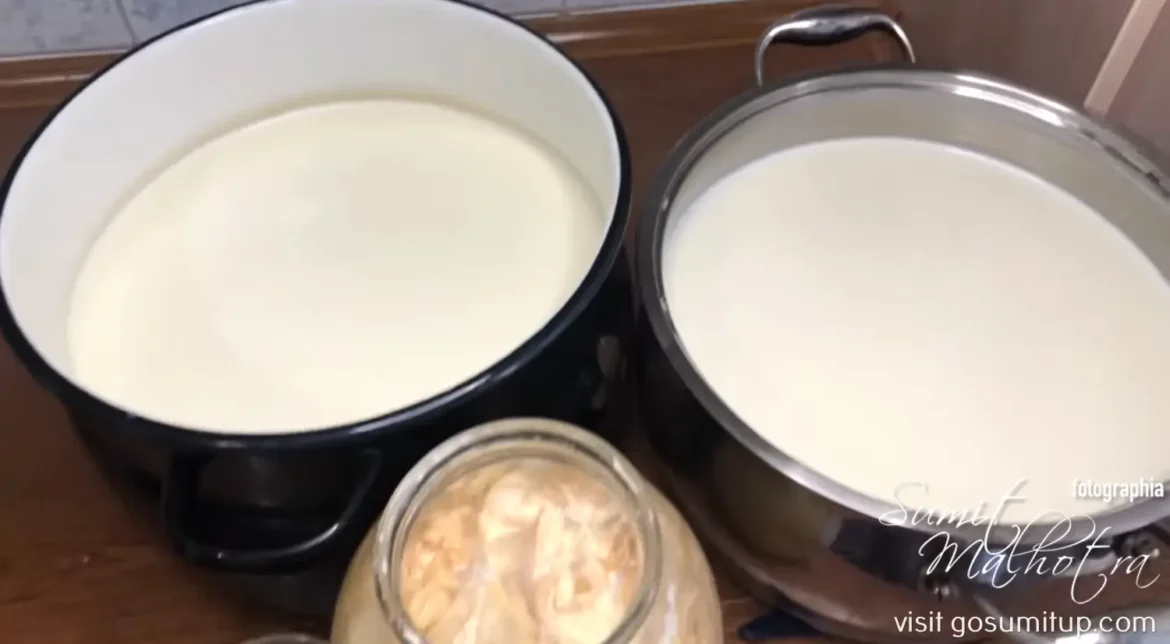
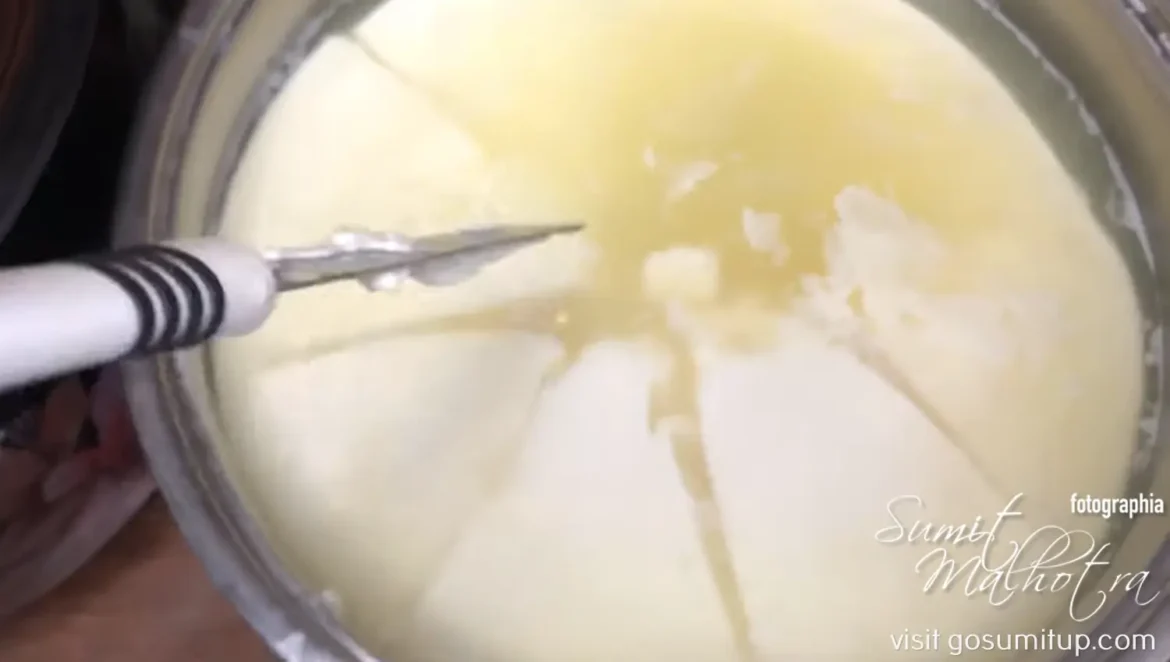
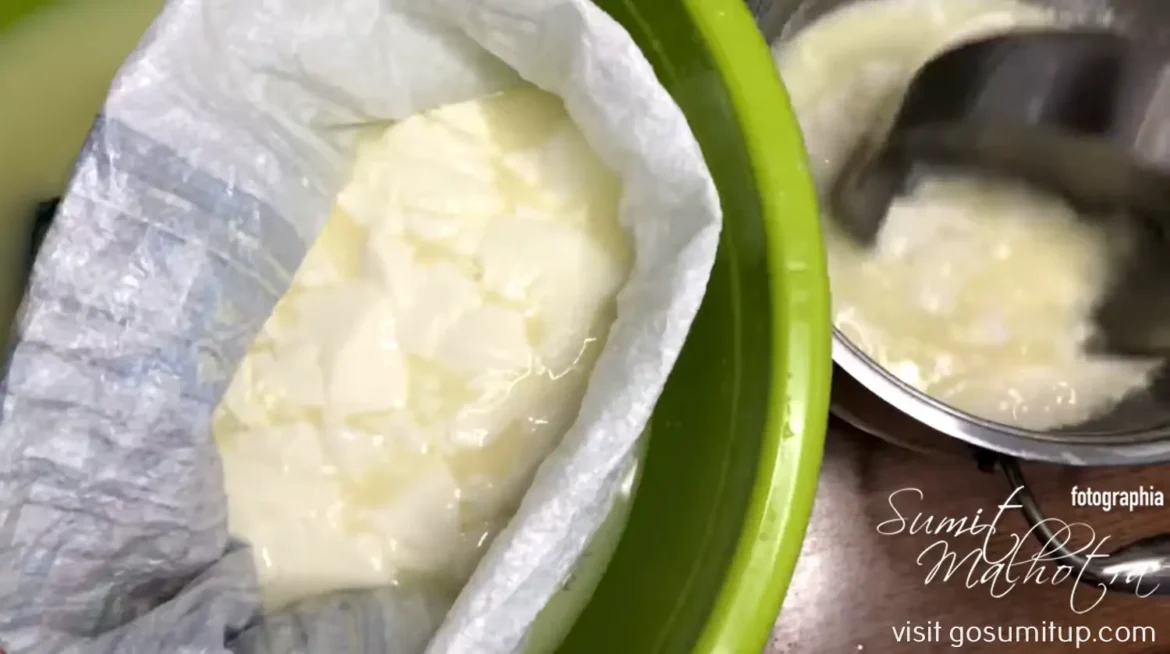
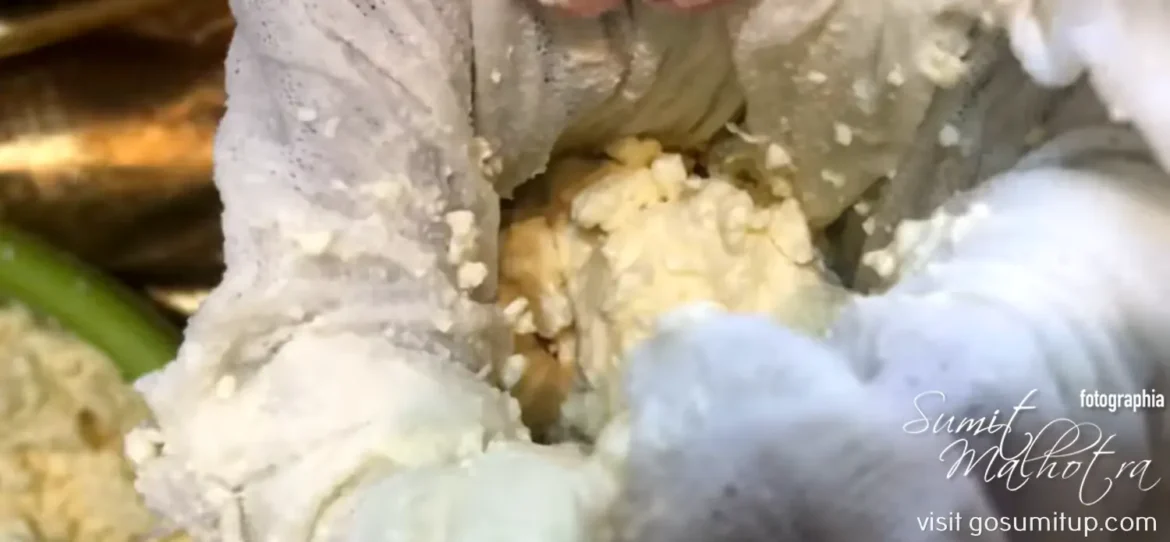
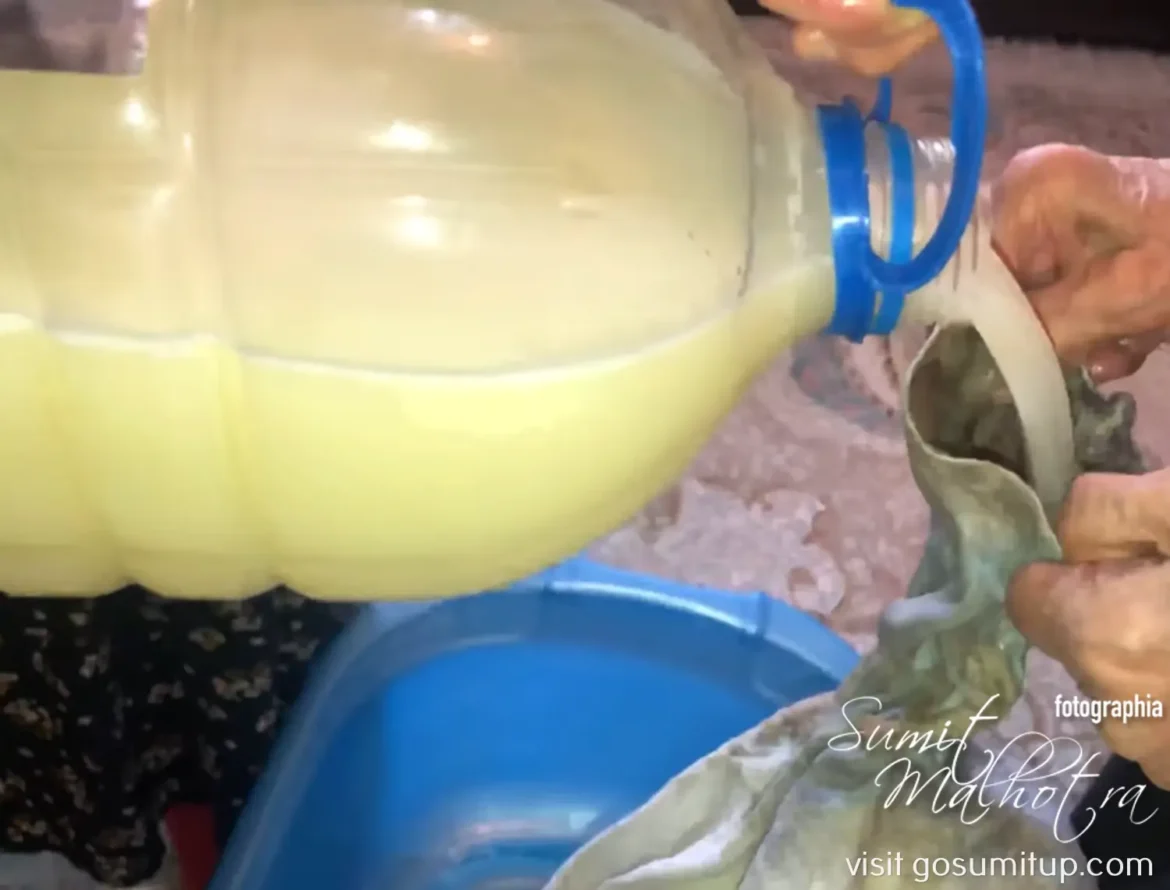
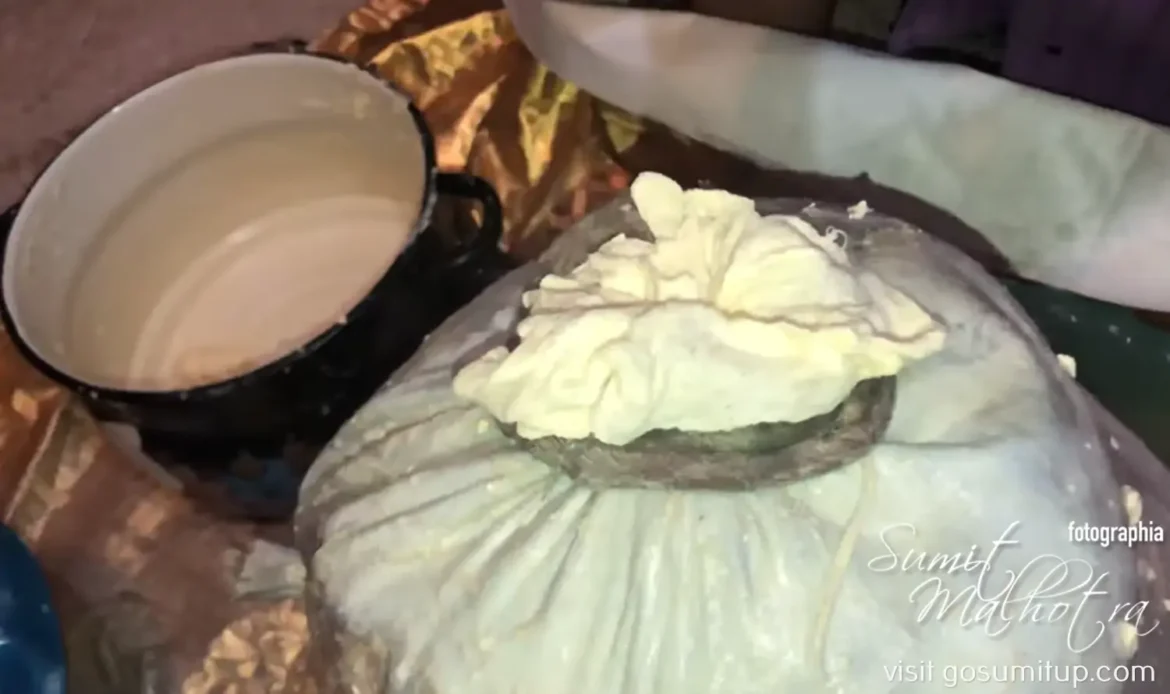
Karabakh Motal Cheese is Prepared
However, a cured animal hide possesses no spiritual or respiratory architecture.
Its ability to preserve raw dairy indefinitely without spoilage is a masterclass in anaerobic microbiology, environmental biochemistry, and materials science.
The transformation of raw curd into authentic Motal Shor is driven by a precise, unpowered engineering sequence:
- The creation of a zero-oxygen bioreactor,
- The selective cultivation of halophilic (salt-tolerant) microbes,
- And, the use of a semi-permeable animal hide to regulate moisture diffusion.
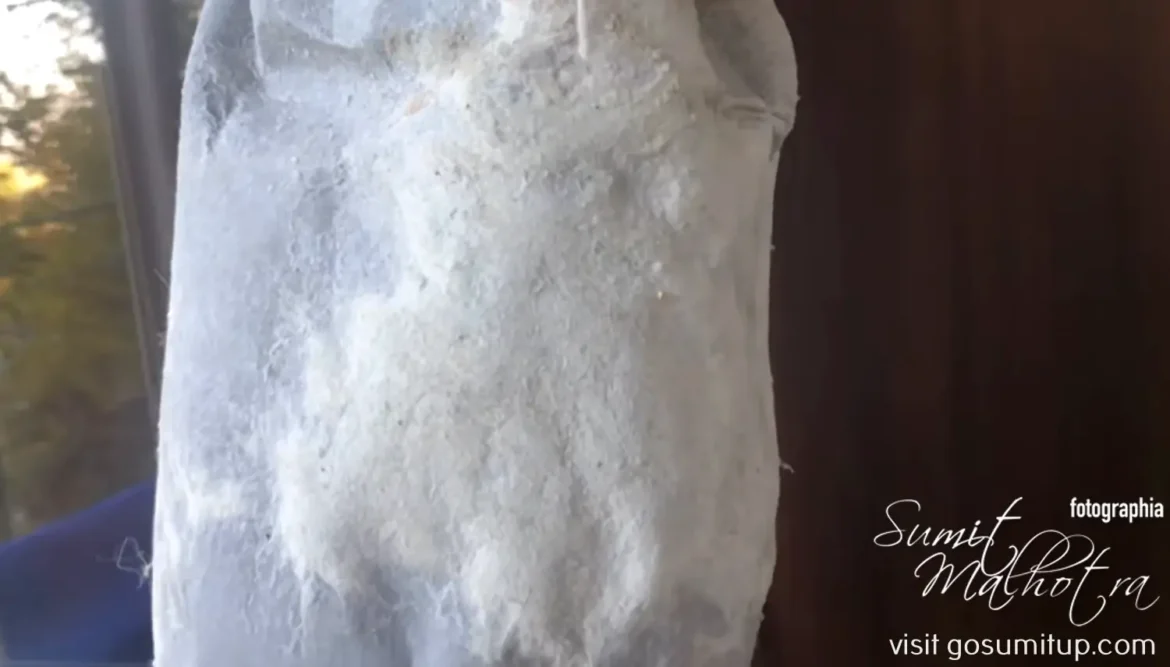
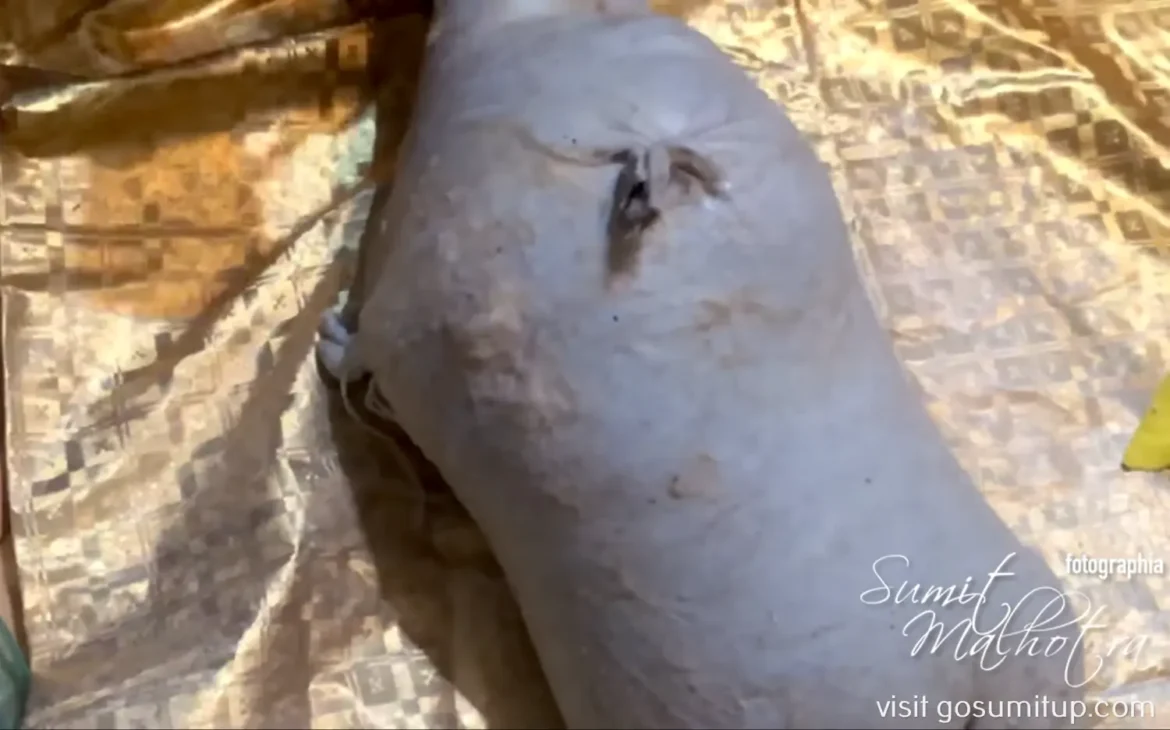
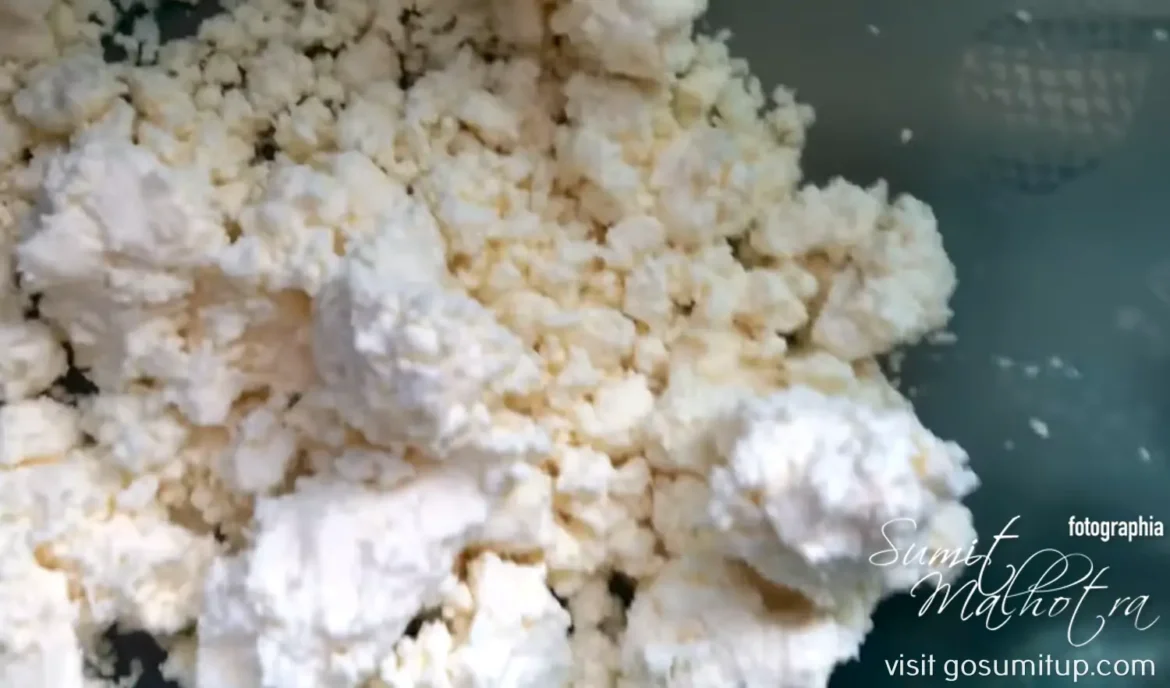
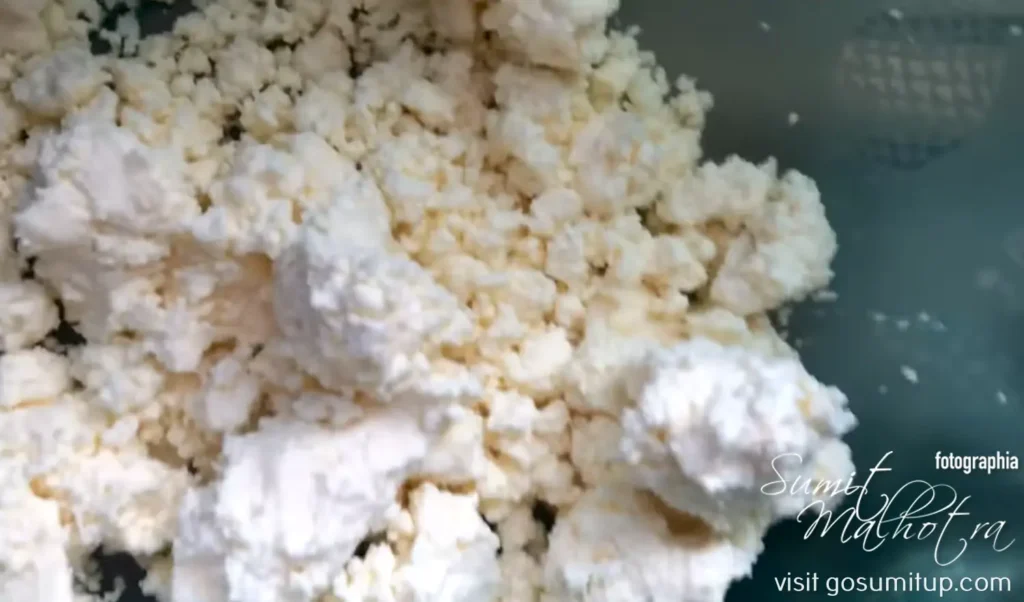
Karabakh Motol Cheese is Removed from the Motal for Consumption.
The Goatskin Envelope: An Anaerobic Micro-Bioreactor
The primary threat to cheese preservation is aerobic oxidation and the growth of common moulds
The primary threats to cheese preservation are aerobic oxidation and the growth of common moulds (Penicillium species), which require oxygen to metabolise and degrade dairy proteins.
Packing cheese in a standard porous container or leaving it exposed to air allows oxygen to continually degrade the fats.
The motal skin solves this problem by acting as a highly efficient anaerobic micro-bioreactor.
[Salted Sheep Curd Core] ➔ Tightly Packed & Sealed ➔ [Stitched Goatskin Envelope]
↓
Rapid Consumption of Residual Oxygen by Microbes
↓
Strict Zero-Oxygen (Anaerobic) Fermentation Zone
When the damp, salted curds are forcefully compressed into the elastic, inside-out hide, the baker or shepherd systematically expels all pockets of ambient air.
Once the skin is stitched shut, the residual oxygen trapped inside the microscopic gaps of the curd mass is rapidly consumed by the initial metabolic activity of native lactic acid bacteria.
Because the skin is sealed airtight, no external oxygen can penetrate the barrier. This creates a strict anaerobic vacuum.
This zero-oxygen environment completely neutralises spoilage-causing aerobic moulds and pathogenic bacteria, establishing a pristine biochemical workspace where only specialised, beneficial anaerobic organisms can survive.
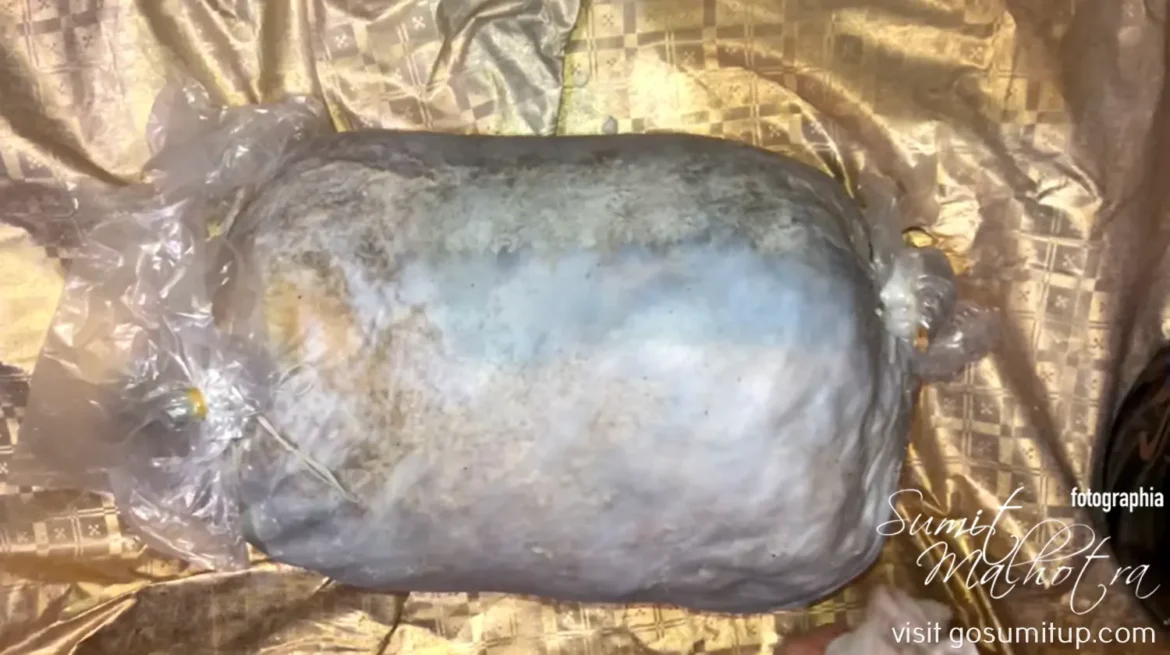
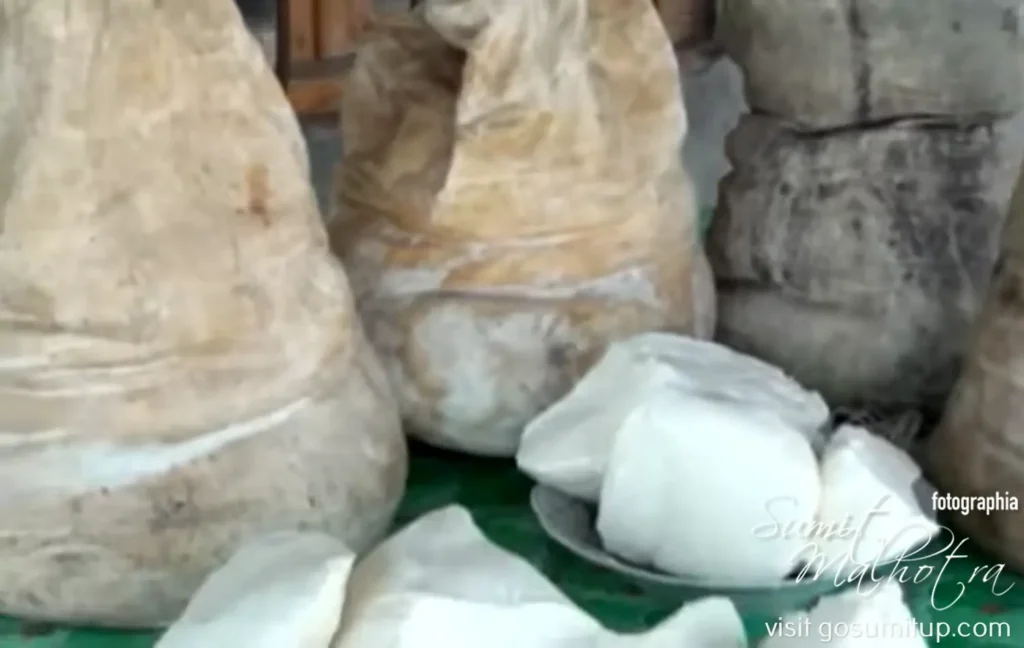
Karabakh Motol Cheese or Motal pendir with Motal in Background
The Membrane Physics of Moisture-Diffusion Kinetics
Animal skin is naturally hydrophobic on its outer surface but remains highly porous at a microscopic molecular scale.
The shepherd’s myth that the skin “breathes” stems from a highly visible physical phenomenon: during the months spent underground, the exterior of the buried goatskin becomes damp and encrusted with mineral salts, yet the cheese inside never becomes waterlogged or completely desiccated.
This is a manifestation of semi-permeable membrane kinetics.
Animal skin is fundamentally a dense network of cross-linked collagen fibres. It is naturally hydrophobic on its outer surface but remains highly porous at a microscopic molecular scale.
When buried in the damp, cool earth (which maintains a steady, insulated temperature of 10 to 14°C, the skin acts as an environmental regulator:
Osmotic Pressure Regulation: The high salt content mixed into the raw curd draws free moisture out of the cheese via osmosis.
Controlled Evaporation: This extracted water moves outward through the microscopic pores of the collagen matrix.
The skin allows water vapour to slowly diffuse out into the surrounding soil, preventing the cheese from sitting in stagnant liquid and rotting.
Contamination Shield: Simultaneously, the structural density of the skin prevents the external, liquid groundwater or soil particulates from seeping in, acting as a one-way filtration valve.
Lipolytic Breakdown and Volatile Fatty Acid Synthesis
The cheese is made from raw, unpasteurized sheep or goat milk, it preserves a complex matrix of native highland enzymes and wild microflora.
As the moisture content stabilises, the true flavour of Motal Shor is forged through an intense process of enzymatic lipolysis—the biochemical breakdown of milk fats into free fatty acids.
Because the cheese is made from raw, unpasteurized sheep or goat milk, it preserves a complex matrix of native highland enzymes and wild microflora.
Locked inside the anaerobic, cool dark of the subterranean trench, these enzymes go to work on the complex triglycerides of the milk fat, cleaving them into volatile short-chain and medium-chain fatty acids:
|
Volatile Fatty Acid |
Source Material |
Sensory & Chemical Outcome |
|
Caproic Acid |
Goat/Sheep Milk Lipids |
Delivers the signature, intensely pungent, sharp, and earthy animal aroma. |
|
Butyric Acid |
Fermented Dairy Fats |
Provides a deep, savoury, complex, and slightly acidic sharpness on the palate. |
|
Lactic Acid |
Lactose Fermentation |
Drops the pH of the cheese matrix, reinforcing chemical preservation against pathogens. |
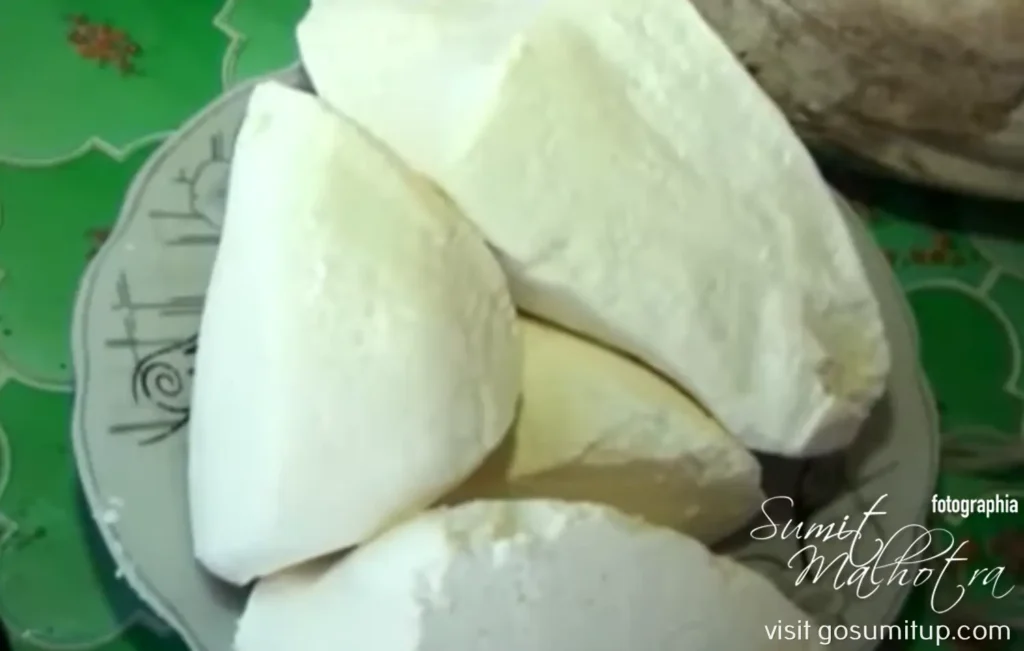
Karabakh Motol Cheese, Motal pendir
Motal is famously known for aging on balconies or in cool stone cellars
There is an incredible, lesser-known traditional subterranean aging process historically used by semi-nomadic shepherds.
While Motal is famously known for ageing on balconies or in cool stone cellars, there is an incredible, lesser-known traditional subterranean ageing process historically used by semi-nomadic shepherds in the Caucasus (particularly in regions like Karabakh).
When shepherds migrated between winter plains and high-altitude summer pastures (yaylaqs), carrying heavy, bulky loads of cheese was highly impractical.
Instead, they weaponised the earth as a seasonal refrigerator.
The historical underground maturation process involves several distinct phases:
1. The Buriduyk Dynamic
Before going underground, the cheese is tightly packed into the motal (the inverted animal hide skin).
Shepherds forcefully pack the curds to ensure zero air pockets remain inside.
The skin acts as a micro-porous, flexible barrier that allows moisture to wick out while preventing fresh oxygen from getting in.
2. The Transhumance Cache
Instead of hauling the filled skins back down the mountain immediately, shepherds would dig deep pits directly into the earth or hide them in specific sub-surface caches.
Because the landscape completely changes colour and foliage between spring and autumn, shepherds would carefully mark the location.
3. Anaerobic Earth Ageing
Once buried, the cheese enters a completely dark, anaerobic environment with a naturally regulated, cool temperature.
- The Microbial Action: Protected from the fluctuating outside heat, specialised ambient lactic acid bacteria and yeasts inside the skin slowly break down the proteins and fats (lipolysis and proteolysis).
- The “Axtarma” Effect: In Azerbaijani culture, this specific style of subterranean-matured cheese is called Axtarma Motal (literally “searched-for” or “foraged” Motal). Because the landscape shifts over 3–4 months, finding the buried cache in autumn was famously difficult.
4. Flavour Transformation
When dug up months later, the prolonged, cold subterranean isolation completely transforms the cheese.
The texture changes from a simple, rubbery, brined block into a crumbly, intensely savoury, and spreadable delicacy.
The flavour profile sharpens dramatically, taking on pungent, earthy notes frequently compared by culinary historians to a matured blue cheese.
While today’s commercial or modern home variants rely on controlled refrigeration or ventilated cellars, the subterranean technique remains an incredible example of ancient food preservation geography.
How the inside fur reacts with the cheese during aging?
The relationship between the internal fur (or hair) layer of the inverted motal skin and the fermenting curd is one of the most brilliant examples of natural biochemical manipulation in ancient food preservation.
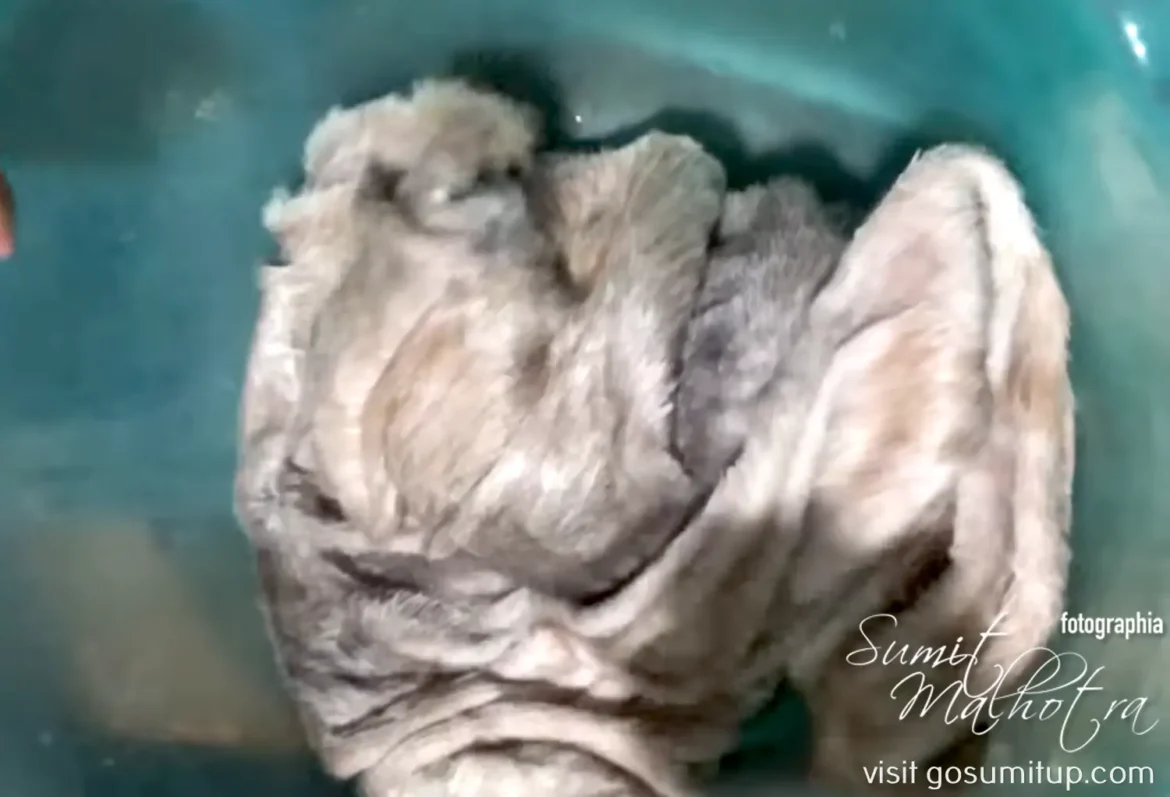
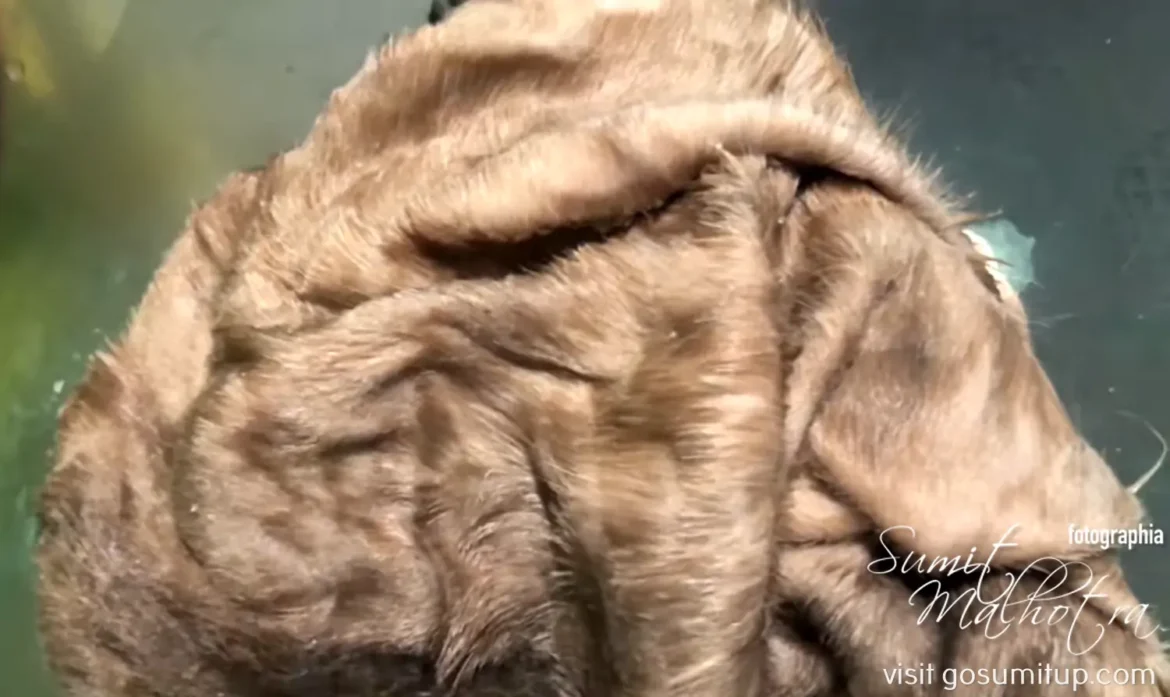
When a newcomer hears that the wool or hair side of the sheep/goat hide is folded to face the inside—directly touching the raw cheese curds—the immediate reaction is usually a mixture of confusion and hygiene anxiety.
However, this is not an accident of primitive assembly. The hair matrix is a critical chemical and mechanical component of the subterranean ageing process.
Here is the exact science behind how the internal fur layers drive the flavour, texture, and maturation of true Motal Shor:
1. The Microbial Sieve & Dynamic Fluid Drainage
Freshly packed sheep curd contains a high concentration of liquid whey. If that whey remains stagnant inside the container, the water activity ($a_w$) stays too high, creating a prime breeding ground for rot-causing anaerobic bacteria.
[Dense Milk Curd Core]
↓ (Whey Exudation)
[Interlocking Wool Fibers] ➔ Functions as a high-surface-area capillary network
↓ (Capillary Action)
[Microporous Leather Skin] ➔ Slow moisture evaporation out into the subterranean soil
The layer of short, shorn wool or hair acts as a highly effective microscopic physical drainage sieve.
Rather than allowing the wet curds to press directly flat against the non-porous leather wall (which would seal the moisture in), the interlocking fibres create an expansive, structured capillary network.
As the salted curds compress, the excess whey is drawn away from the cheese core via capillary action, wicking evenly down the length of the hairs to the porous leather hide, where it slowly evaporates outward into the cool, subterranean soil.
This leaves the interior cheese dense, crumbly, and dry enough to guarantee a long shelf life.
2. Structural Isolation (The Anti-Adhesion Shield)
If raw cheese curds are packed under high pressure against raw, bare animal skin, the gelatinous milk proteins will bond directly to the animal collagen as they dry. The cheese would literally fuse to the container.
When the shepherd tries to slice open the motal months later, the outer layer of premium cheese would rip away with the leather, destroying a significant portion of the yield.
The layer of keratin-rich hair acts as a natural anti-adhesion shield. The cheese forms a unified block within the nest of fibres, making it highly efficient to extract cleanly when the sinew stitches are cut.
3. Enzymatic Inoculation and Volatile Flavour Synthesis
The most profound impact of the internal hair layer is biochemical.
The skin and hair are not sterile; they retain a highly specific, complex ecosystem of wild, non-pathogenic yeasts and halophilic (salt-tolerant) microflora native to the mountain pastures.
- Lipase and Protease Transfer: As the warm, salted curds sit in the dark bioreactor, the moisture activates these dormant enzymes and wild yeasts embedded at the root of the hair follicles. These enzymes actively migrate into the outer layers of the cheese.
- The Pungent Profiles: These cultures accelerate proteolysis (protein breakdown) and lipolysis (fat breakdown). They cleave the milk fats into specific volatile organic molecules—such as isovaleric acid and caproic acid.
This localised enzymatic breakdown is what gives the outer edges of Motal cheese its highly sought-after, aggressively sharp, earthy aroma.
It introduces a pungent depth that textually mimics the complex development of Western cave-aged blue cheeses, entirely without the introduction of commercial mould cultures.
4. The Hygiene Paradox: Why There Is No Hair in Your Food
The ultimate worry is that the final product will be a messy, hair-filled block of dairy. This is prevented by an elegant pre-treatment of the hide:
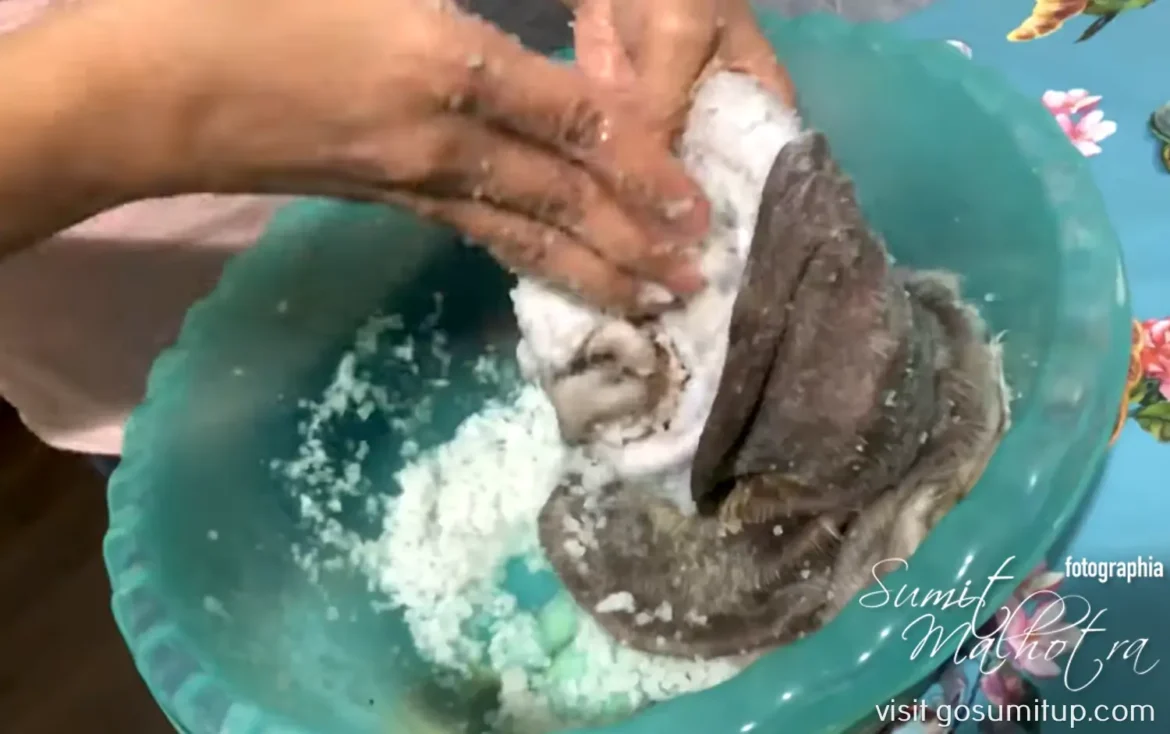
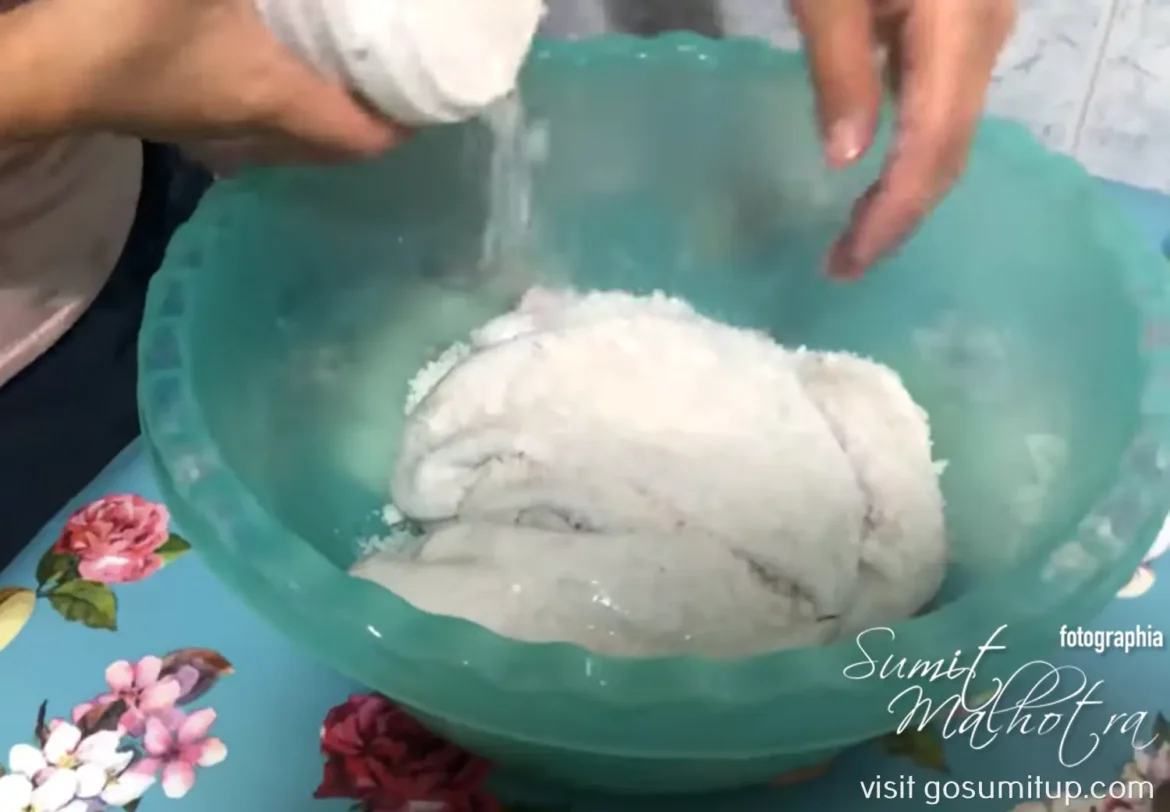
Before the cheese is ever introduced, the raw skin is heavily cured with coarse mineral salt for up to two to three weeks.
This deep salting causes the skin cells to dehydrate and contract violently around the hair roots.
The salt physically locks the hair follicles deep into the leather matrix, making it structurally impossible for individual hairs to shed or break away into the curd.
When you open a properly cured motal, the cheese separates cleanly away from a solid, velvet-like internal hair lining, perfectly flavoured and entirely free of debris.
To Sumit up Culinary Insight
Motal Shor cheese does not absorb the spirit of the mountain soil; it uses an animal-hide envelope to weaponise zero-oxygen biochemistry.
The legendary immortality and sharp flavour profile of Azerbaijan’s Karabakh Motal cheese are the direct results of primitive, yet flawless, material engineering.
By sealing salted curds within a stitched, inside-out animal skin, highland shepherds create a high-efficiency anaerobic bioreactor that suffocates spoilage organisms while allowing beneficial enzymes to flourish.
The skin’s semi-permeable collagen matrix perfectly balances internal moisture loss against external soil dampness—proving that this ancient, underground delicacy is a masterwork of natural chemical preservation.
Making of Azerbaijan's Motal Cheese or Motal şoru (Part 1)
Making of Azerbaijan's Motal Cheese or Motal şoru (Part 2)
Making of Azerbaijan's Motal Cheese or Motal şoru (Part 3)
Making of Azerbaijan's Motal Cheese or Motal şoru (Part 4)
Making of Azerbaijan's Motal Cheese or Motal şoru (Part 5)
Disclaimers
If you like this article, you can let us know in the comments below or on social media using #gosumitup and tag @gosumitup on Facebook.
I am always happy to read your feedback and if you liked the dish or if you made the dish. :)
Better still, take a picture and post it on Instagram and tag it as #gosumitup
Connect direct – You can also connect with me directly on my Instagram and Facebook or on Pinterest.
And, keep visiting us for more of such awesomeness. Do bookmark gosumitup.com into your web browser now or simply subscribe to our browser notifications.
If you are a traveller and or a driver, you may find below a list of items that will fortify your travel experience. I use many of these myself for all my trips. They are modestly priced and quite important to keep handy.
- Travel Adapter – https://amzn.to/3A04EJp
- Action Camera – https://amzn.to/4eCSMfF
- Camera Mounts & Accessories – https://amzn.to/4eG4je2
- Dashcam – https://amzn.to/3U2j4Qc
- Neck Rest – https://amzn.to/3Y6ZP98
- Tyre Inflator – https://amzn.to/3U8HpDP
- Storage – https://amzn.to/3XVQFMI
- Car Laptop Charger – https://amzn.to/3XXMVdA
- Vacuum Cleaner Cordless – https://amzn.to/3Yo1hWd
- Air Mattress – https://amzn.to/4015Bvu
- Jack Ratchet Wrench – https://amzn.to/3YkxddO
- Cleaning Cloth Microfibre – https://amzn.to/3NIOFmt
- Rechargeable Solar LED Torch – https://amzn.to/3Yj4h5Y
- Electronics Accessories Organiser – https://amzn.to/3A04XUz
- Pocket Travel Data Transfer Tool – https://amzn.to/3zMTxnc
- Smart Tracker for Keys – https://amzn.to/3BTuIq0
- Camping Cookware Kit – https://amzn.to/3BIy0N3
- Rechargeable Electric Gas Lighter for Stoves – https://amzn.to/4orBsin
- Sleeping Bag – https://amzn.to/3U7v2rP
GoSumItUp is a personal blog written and edited personally by me. All opinions expressed are my own which are honest and have not been influenced by any means.
My reviews are dependent on the visits at the time and revisits will be reviewed again as they may have a different experience or the same.
I am not a food critic nor do I consider myself as one, this platform allows me to write and review my own personal dining experiences, may they be good or bad, delicious or not, all are honest and truthful opinions.
Suppose you disagree or agree with me at any point or do not receive the same experiences as I have. In that case, I do not hold any responsibility as everyone will have their own experiences that they will encounter themselves.
I pay for all meals. However, if any meals or product has been sponsored or compensated or if I was an invited guest, it will be clearly disclosed at the end of each review.
All images on this blog are my own unless stated otherwise. If you wish to use any of my photography for any purposes, please do not use it without any written permission and give credit and/or link back to the website.
If you would like to send a product or any sponsors/endorsements, it may or may not be published and reviewed on the website.
If you wish to send any products or invitations for any media, press or collaborations etc., consider if it is something related to the content of the website and if you see fit, please visit the Contact page for contact details.
Thank You.
Thank you for visiting GoSumItUp! I hope you enjoy the reviews & recipes found at www.gosumitup.com.
This page consists of disclaimers regarding the recipe, its outcome, nutrition, and food handling safety decisions.
The recipes have been cooked and compiled by me for general information only and should not be used to diagnose or treat any medical condition/s.
This information is not intended to diagnose, treat, cure, or prevent any disease as well.
GoSumItUp.com has used all reasonable care in compiling the information but offers no warranty as to its accuracy or its use in any possible form.
Consult a doctor or other health care professional for diagnosis and treatment of any medical condition/s. For more details please refer to our disclosure policy.
The nutritional and health information provided in this article is for educational and informational purposes only and is not intended as medical advice, diagnosis, or treatment.
While herbs and spices on this website have a long history of traditional and clinical use, individual health needs vary.
Always consult with a qualified healthcare professional, registered dietitian, or physician before introducing therapeutic doses of any of these into your daily diet, especially if you are pregnant, nursing, taking blood-thinning medications, or managing chronic conditions like diabetes.