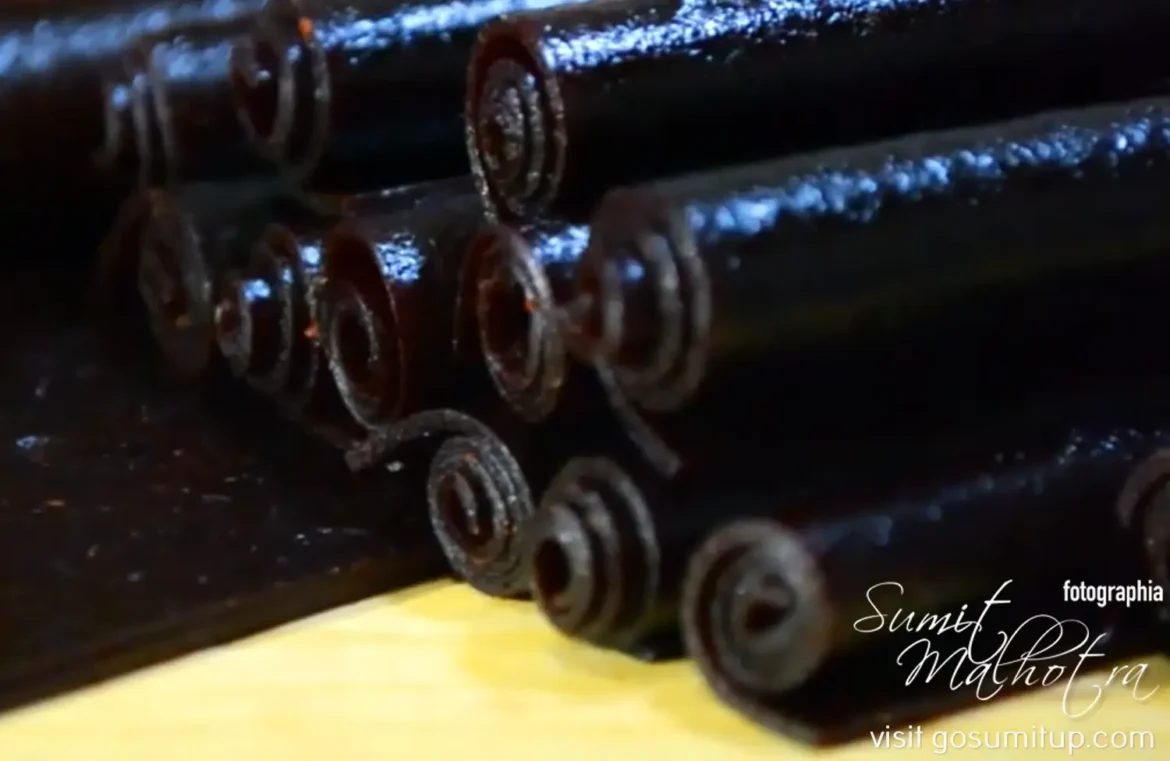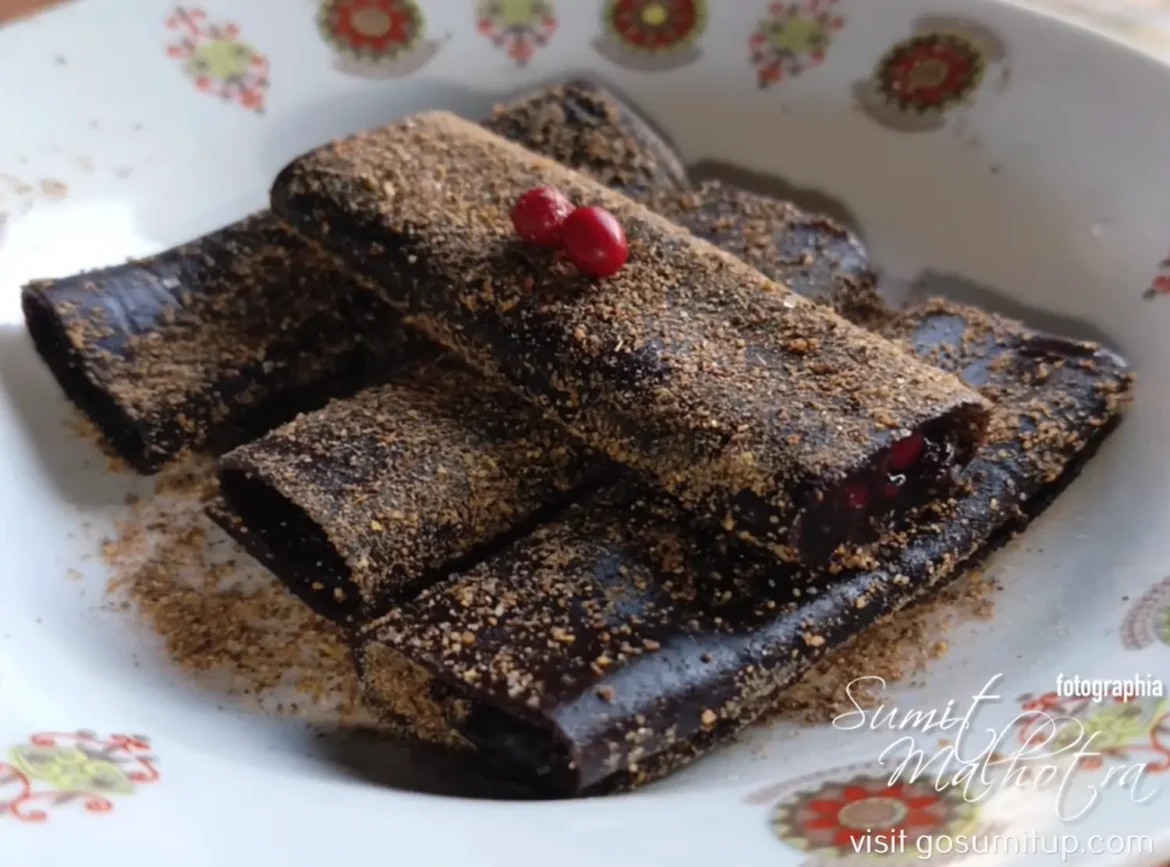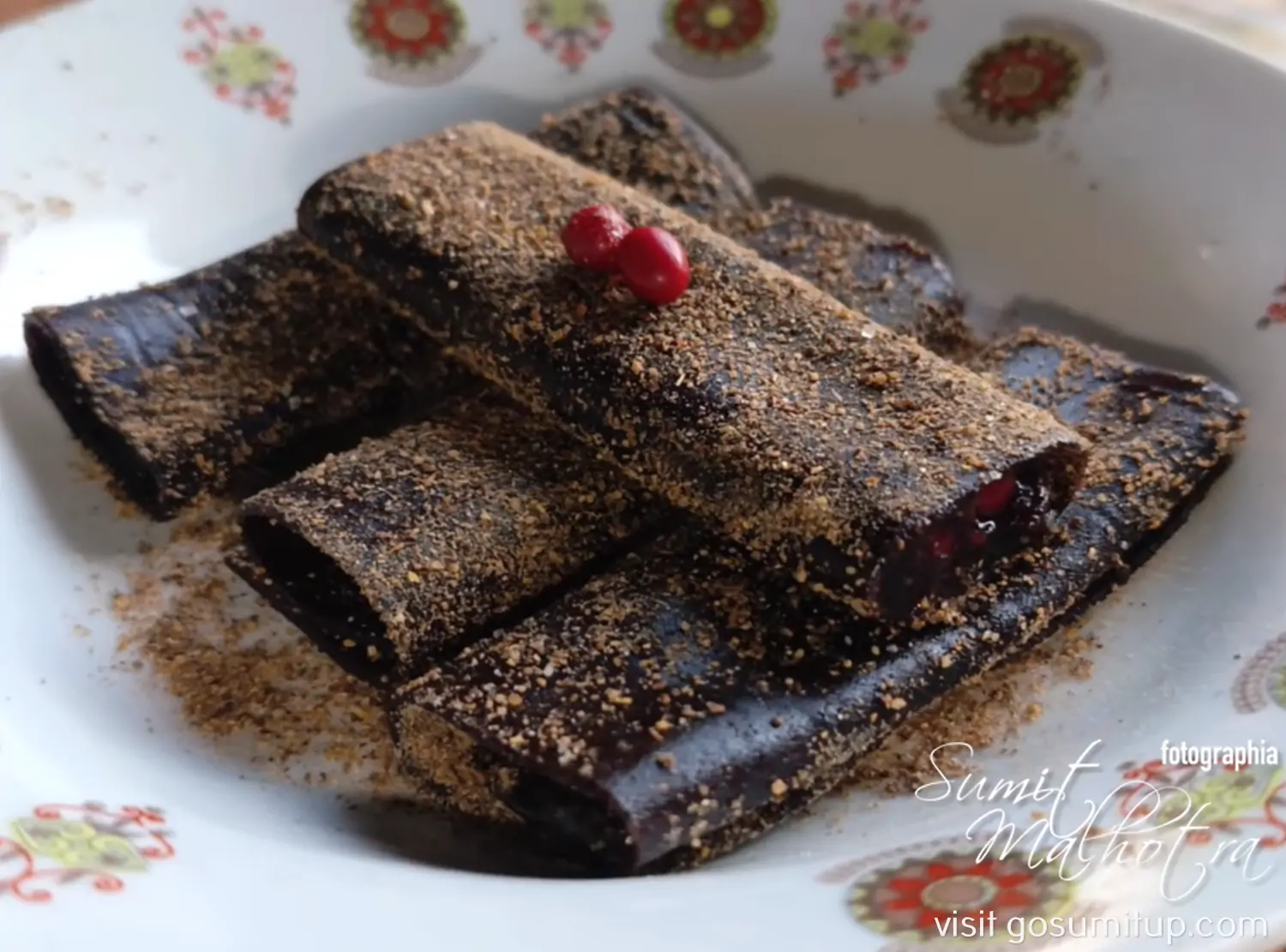
Read about Lavaşana, Azerbaijani Lavaşana, Traditional Azerbaijani Lavaşana, Science of Lavaşana, Traditional Azerbaijani fruit leather,
Know about lavaşana drying process, How to dry fruit leather without flipping, Azerbaijani Lavaşana recipe, Why does fruit leather turn bitter, Drying fruit leather on wooden boards
Learn about Pectin matrix formation in fruit leathers, Tannin iron oxidation in food chemistry, Capillary action in sun drying, Traditional vs modern fruit leather dehydration,
Find more about Sour plum puree, Cornelian cherry roll up, Thermodynamic moisture gradient migration, Organic fruit acids low pH, Natural polymer cross linking, Polyphenol degradation in food, Lavashak vs Lavaşana
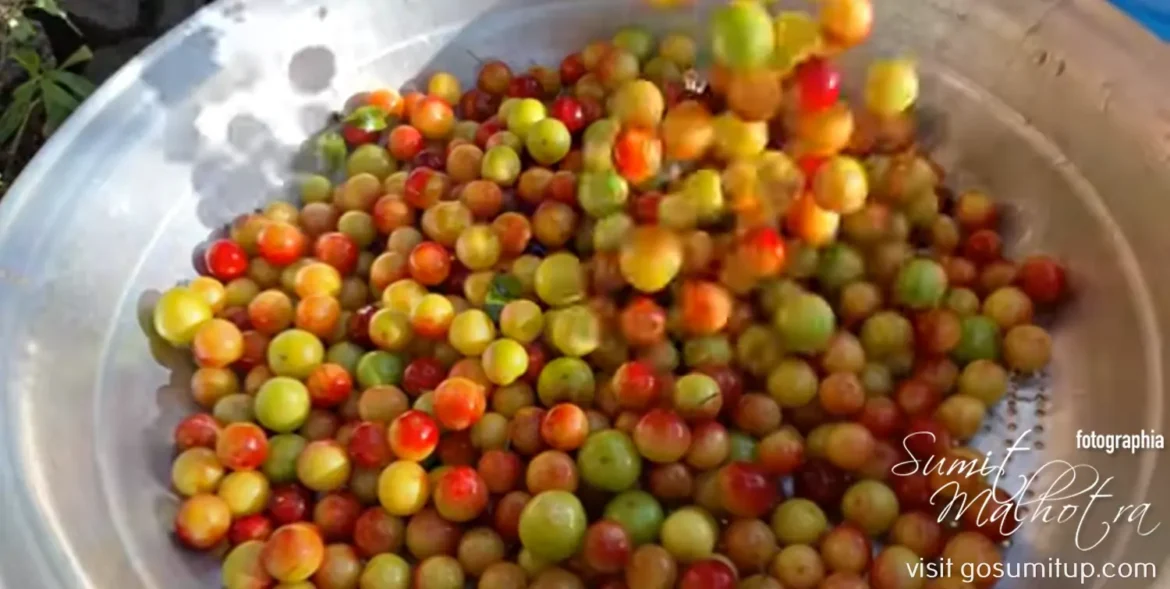
The Legend: Lavaşana, or lavashak (Iranian spelling), is a thin, intensely tart fruit leather made from wild sour plums (alça) or cornelian cherries, used throughout Azerbaijan to add a sharp, acidic punch to stews and meat dishes.
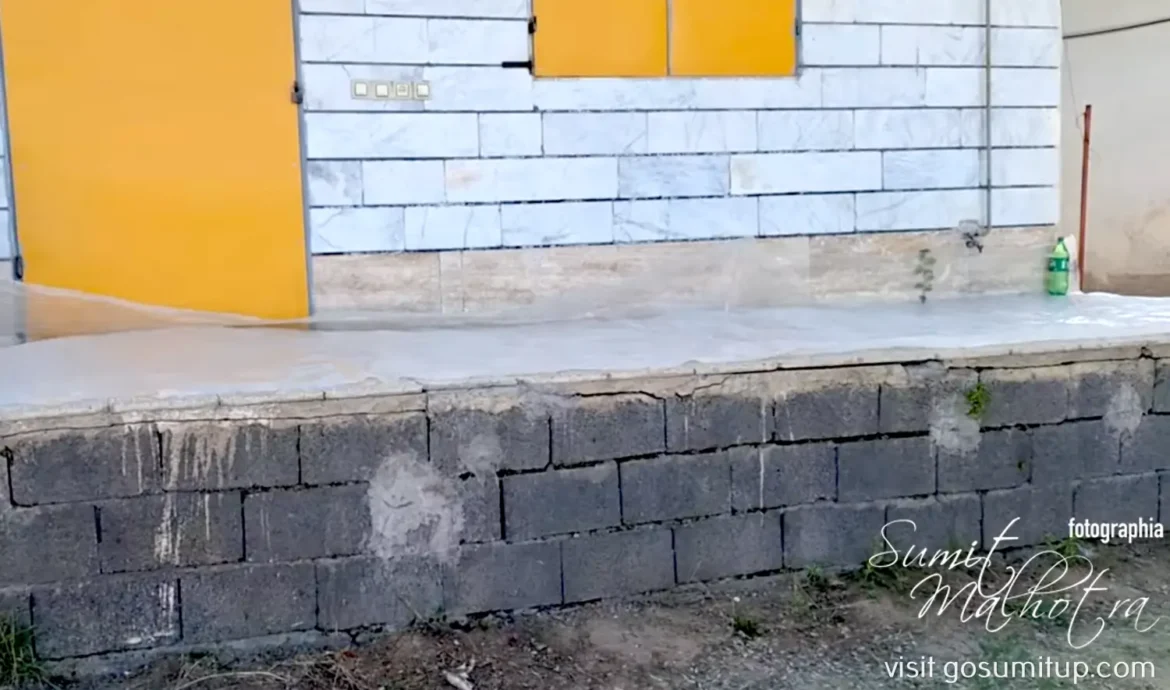
The ancient law of the Lavaşana masters states that the pureed fruit must always be spread onto smooth wooden boards or woven straw mats and dried under direct, blistering sunlight without ever turning the sheet.
Elders warn that if you get impatient and flip the leather too early, or attempt to speed up the process by using a modern metal baking tray, the fruit will “grieve and bleed its tears,” causing the leather to turn black, become brittle, and lose its flexibility.
Traditional Azerbaijani Lavasana | Plums Fruit Leather
To the modern cook, accustomed to silicone baking mats and stainless-steel dehydrator trays, this rigid protocol looks like classic culinary folklore.
Flipping a drying fruit paste seems like common sense to speed up evaporation.
Yet, attempt to make lavaşana on a metal tray, or flip it mid-way through its sun-bath, and the result is disastrous.
The vibrant, translucent crimson turns a muddy, oxidised brown; the brilliant, mouth-puckering tang develops a harsh, metallic bitterness; and instead of a supple, fabric-like sheet that can be rolled without tearing, you are left with a brittle, sticky sheet that cracks like shattered glass.
What home cooks pass down as a “myth” is actually a masterclass in ancestral food chemistry and thermodynamics.
The physical dynamics of a porous wooden surface versus a reactive metal sheet dictate everything from molecular moisture migration to the integrity of the fruit’s macromolecular structure.
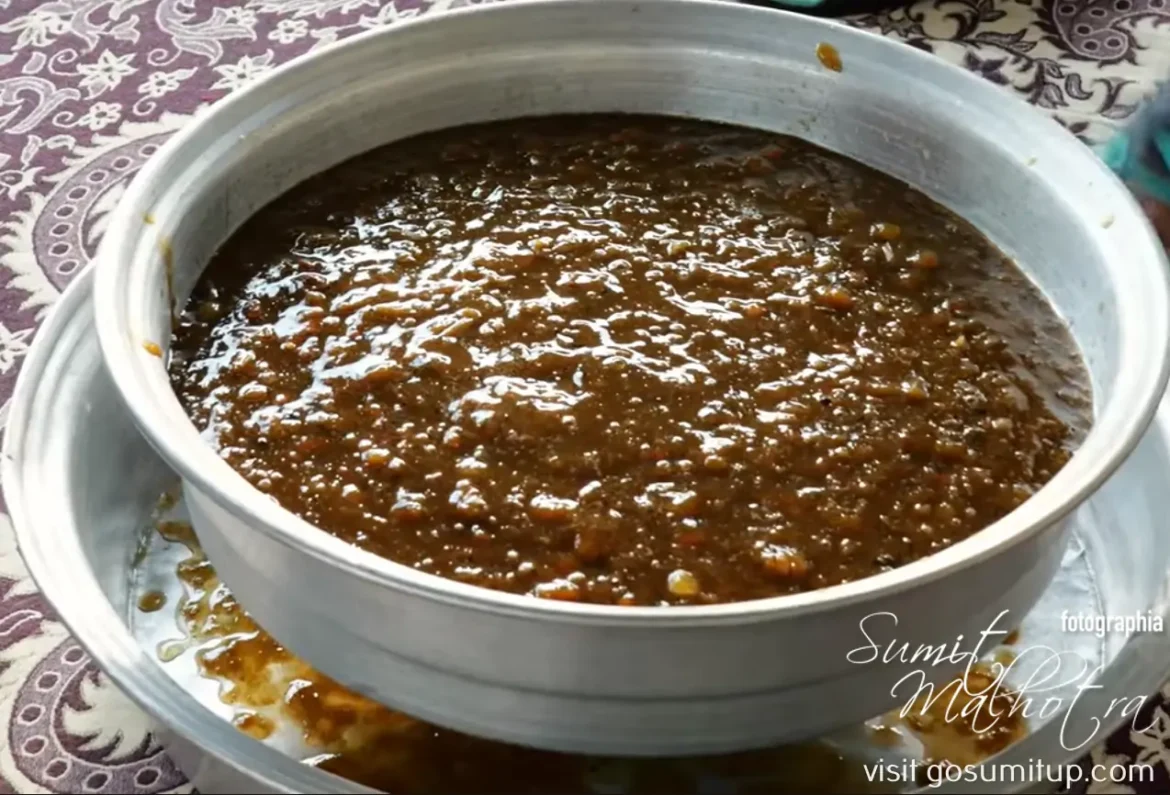
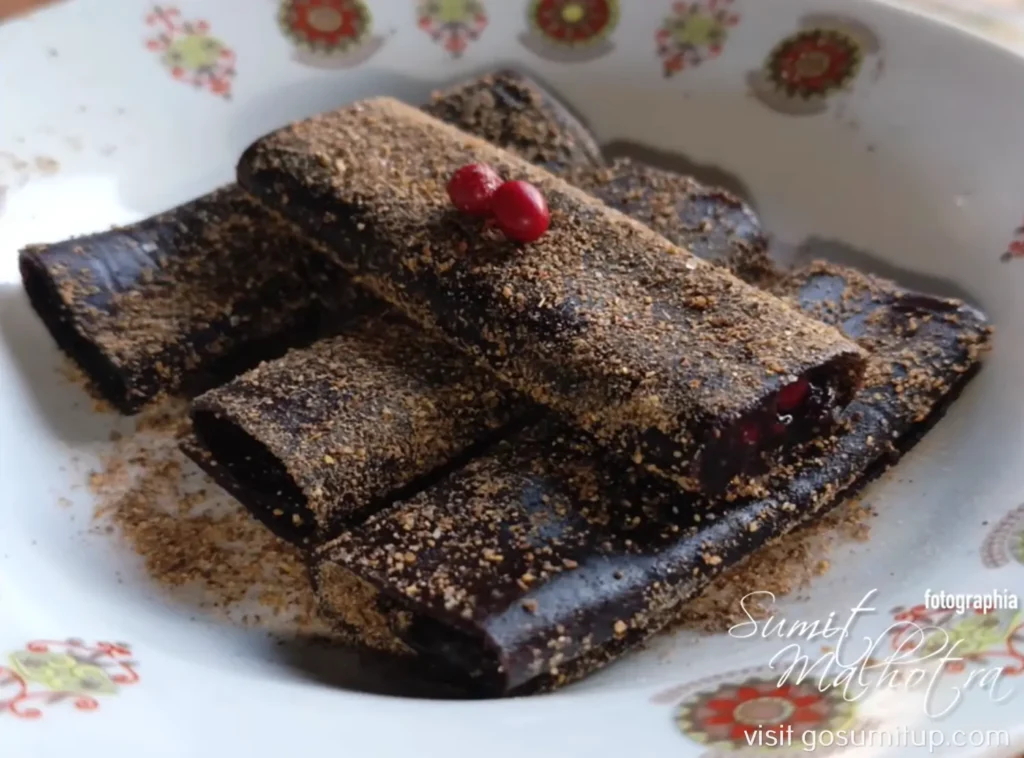
Roll up the Fruit Leather and Serve
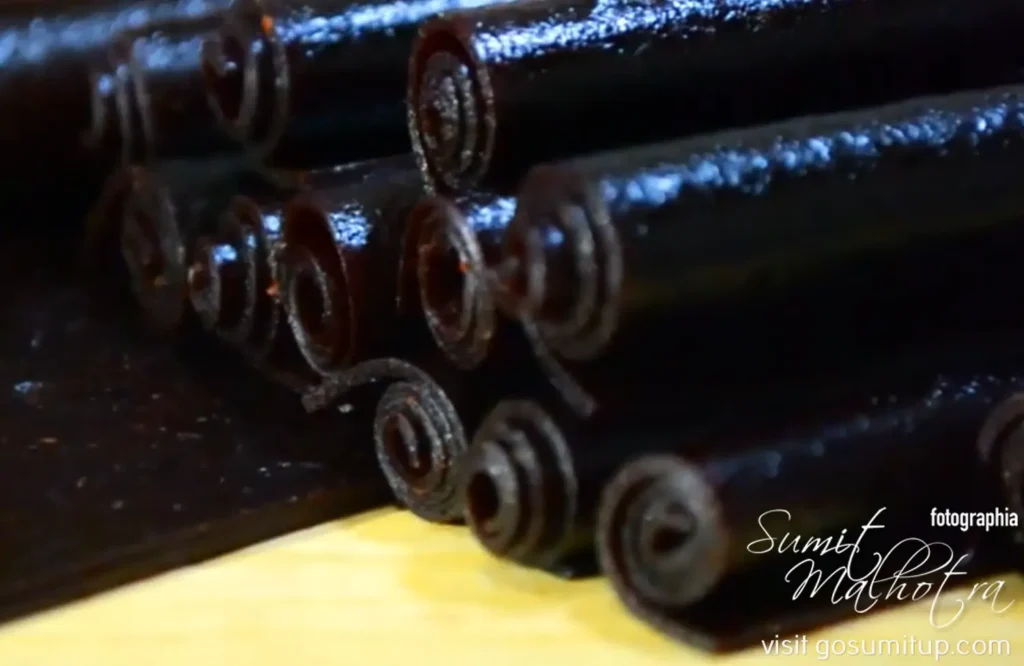
What is the difference between Lavashak vs Lavaşana?
The differences between them lie in their geopolitical and cultural roots, etymology.
At their core, Lavashak and Lavaşana are close cultural cousins—both are intensely tart, ancestral fruit leathers made by boiling down regional wild fruits into a thick puree and sun-drying them into thin sheets.
However, the differences between them lie in their geopolitical and cultural roots, etymology, and how they have evolved in modern culinary trends.
1. Cultural and Regional Origin
Lavashak (لواشک): This is uniquely Persian/Iranian. It is deeply embedded in Iran’s culinary heritage, historically made by homemakers on rooftops and balconies across Iranian cities during the hot summer months to preserve excess harvest.
Lavaşana: This is uniquely Azerbaijani. It belongs to the culinary landscape of Azerbaijan and parts of the Caucasus, playing a pivotal role as a sour component in local stews, rice dishes (plov), and fish recipes.
2. Etymology
Lavashak: The word is derived from the Persian word lavash, which refers to a thin, flexible flatbread.
The suffix “ak” creates a diminutive form, essentially meaning “little bread sheet”.
Lavaşana: This shares a linguistic root referencing the flatbread structure (lavaş) but carries the distinct Azerbaijani suffix and phonetic styling common to the Caucasus region.
3. Preparation, Texture, and Modern Consumption
Traditional Commonalities: Traditionally, both strictly rely on wild, acidic fruits—like sour plums, pomegranates, barberries, or cornelian cherries—and are naturally set via fruit pectin rather than added commercial sugars.
The Modern “Wet” Trend (Lavashak): While traditional Lavaşana remains a firmly structured, dry, yet flexible ingredient for cooking or unadorned snacking, Lavashak has taken on a massive viral life online.
Modern Persian Lavashak is frequently served as a “wet style” street food snack, rolled loosely and drowned in rich pomegranate molasses, fresh lemon juice, or sour pomegranate seeds to create a sticky, juicy, and highly textured dessert.
Think of them as two regional interpretations of the same ancient preservation technique.
Lavaşana is the pride of Azerbaijani savoury and sweet culinary traditions, while Lavashak is its Persian counterpart, currently conquering global social media with its ultra-sour, molasses-soaked presentation.
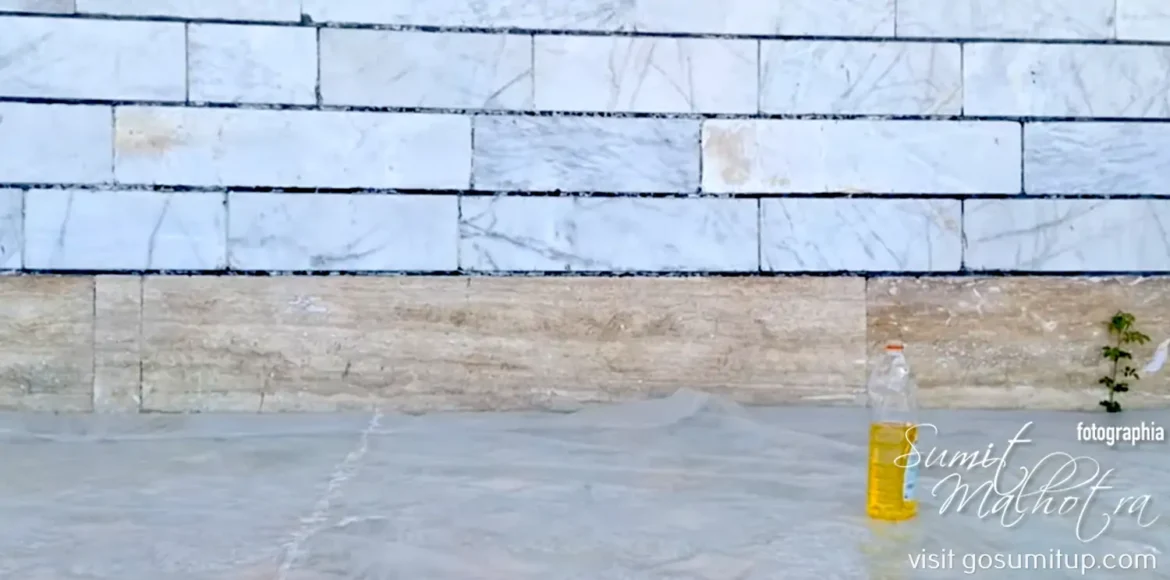
Gather & Wash Plums
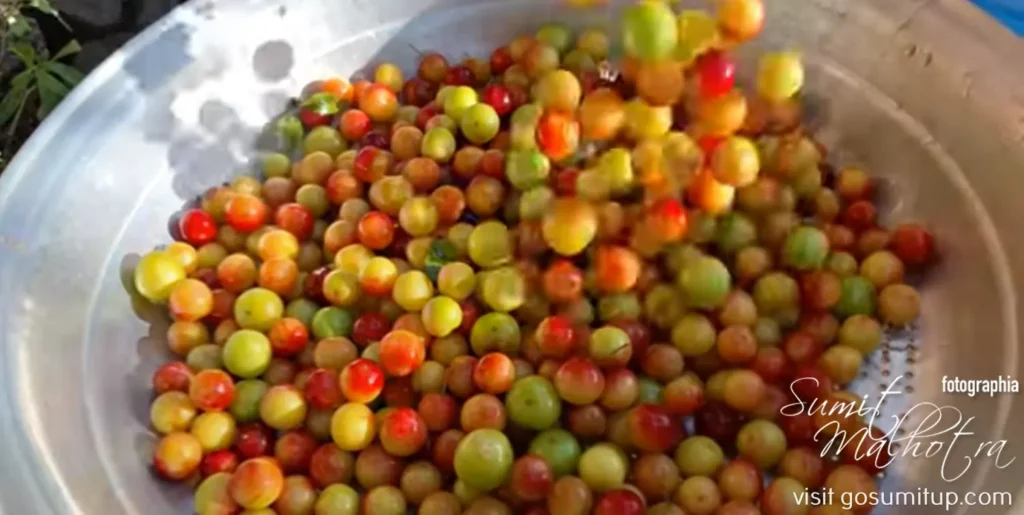
The Raw Materials: Pectin and Tannins
When the fruit is cooked into a puree and spread thin, these chains seek out one another to cross-link.
To understand why the drying method matters so profoundly, one must first look at the chemical composition of the fruits chosen for authentic lavaşana.
Unlike commercial fruit leathers, which rely on added sugars, commercial gelatin, or synthetic thickeners, true lavaşana relies entirely on the intrinsic biochemistry of wild, underripe stone fruits and berries.
1. The Pectin Matrix
Sour plums (alça) and cornelian cherries are exceptionally rich in pectin—a complex structural heteropolysaccharide found in the primary cell walls of plants.
In an acidic, low-pH environment (naturally provided by the high malic and citric acid content of these fruits), pectin molecules behave like microscopic open chains.
When the fruit is cooked into a puree and spread thin, these chains seek out one another to cross-link, trapping water molecules within a delicate, three-dimensional colloidal gel.
The goal of the drying process is to slowly remove this trapped water without disrupting the alignment of these cross-linked polymer chains.
2. The Tannin Profile – Tannin iron oxidation in food chemistry
Wild sour fruits are packed with polyphenols, specifically condensed and hydrolyzable tannins.
These compounds are responsible for the astringency and deep pigmentation of the fruit.
Tannins are highly sensitive to their environment; they are notoriously unstable when exposed to oxygen, heat, and particularly transition metals like iron or non-passivated steel.
Why does fruit leather turn bitter?
When kept stable, they give lavaşana its signature, tongue-clearing brightness. When destabilised, they polymerise into dark, bitter compounds that ruin the flavour profile.
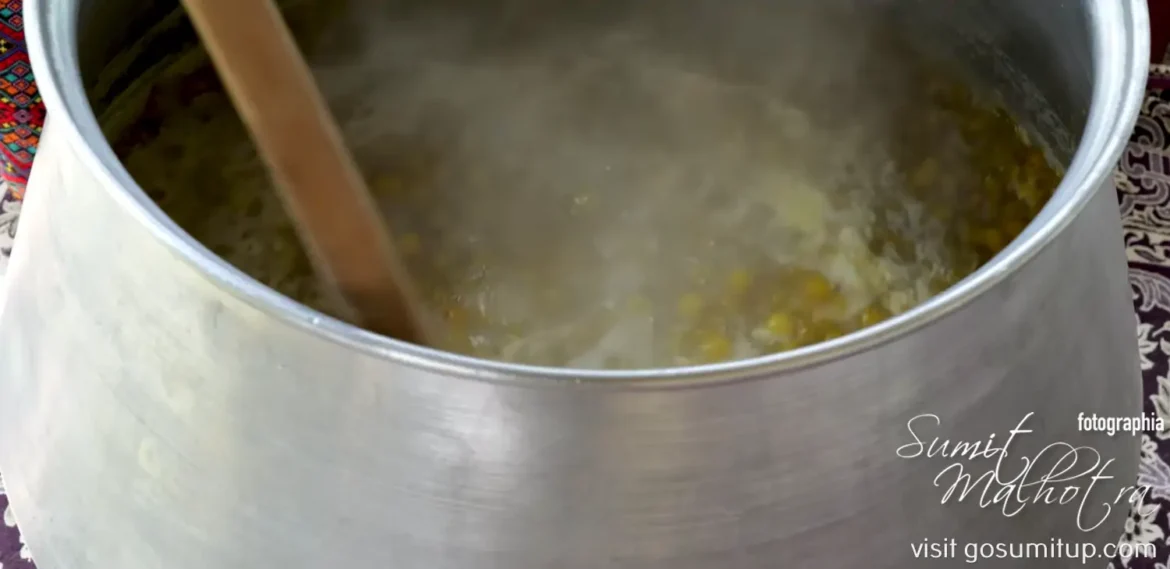
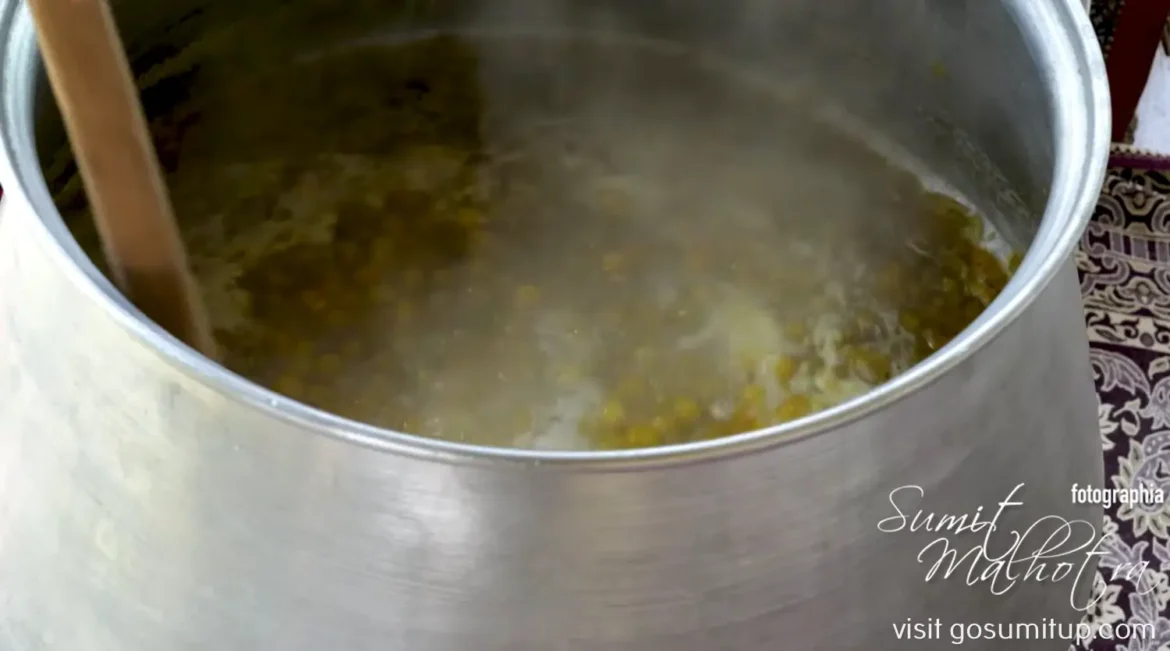
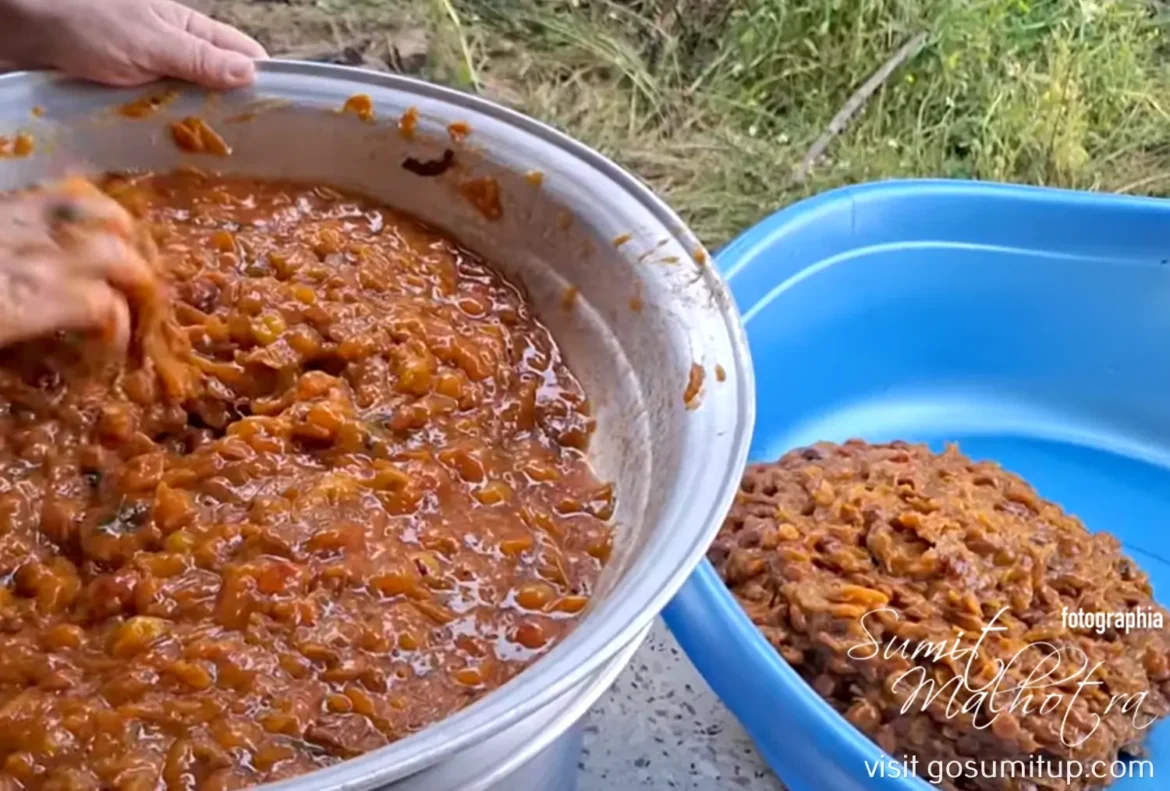
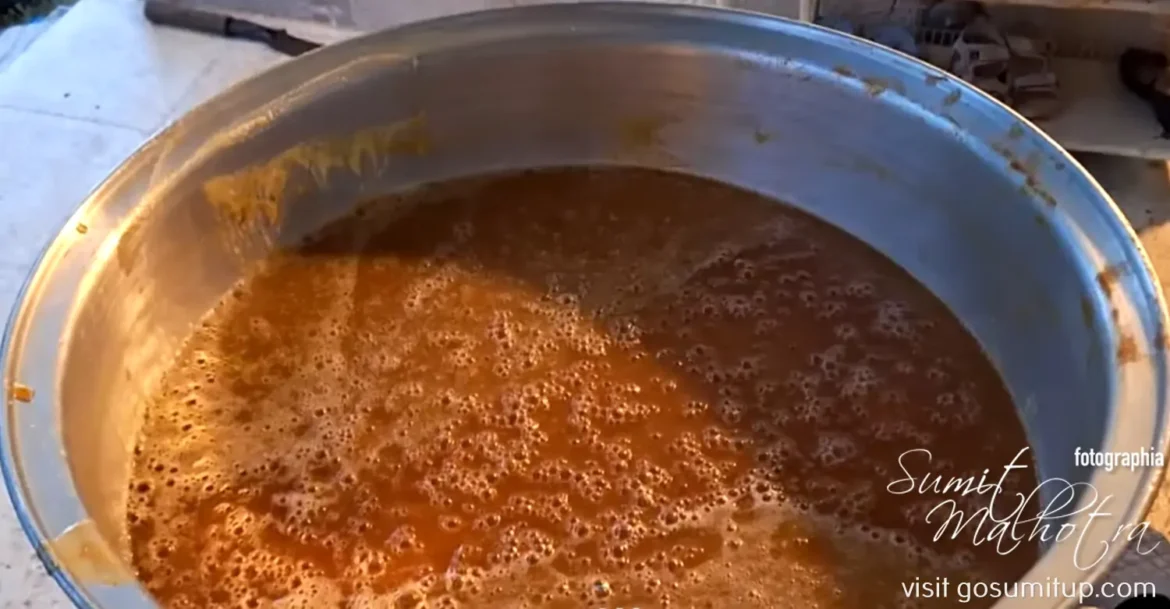
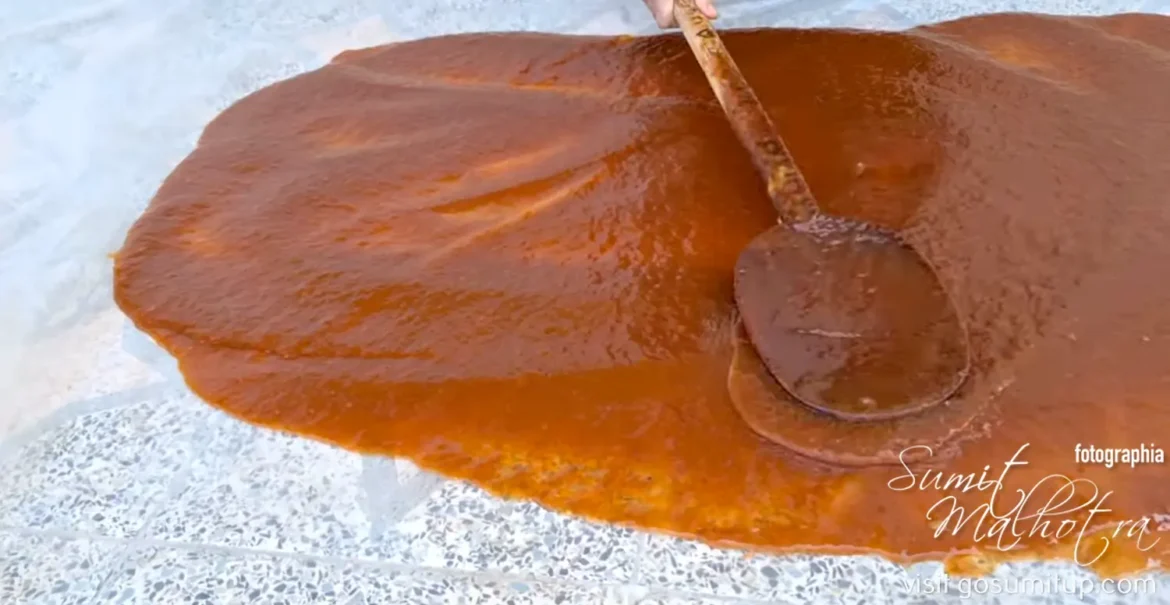
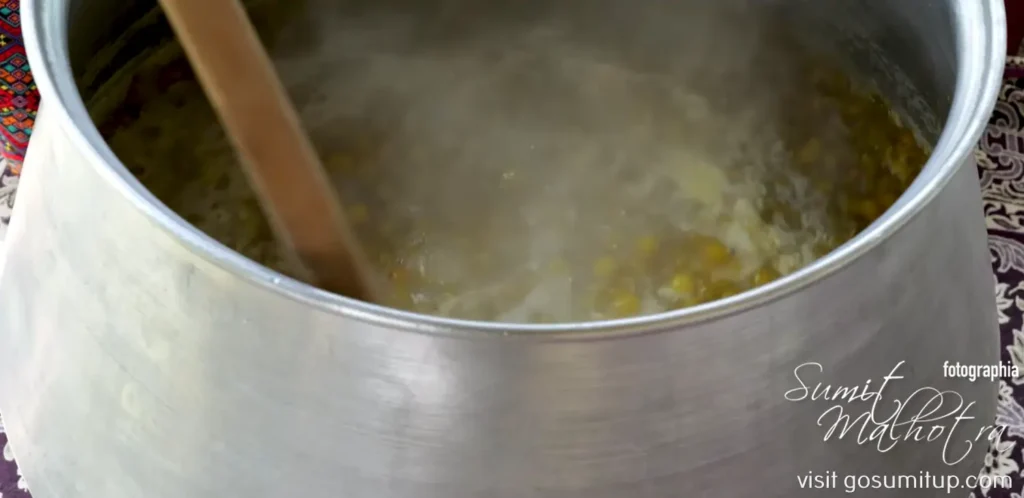
Boil Plums in a Cauldron with Water to Make a Pulp
Method A: The Traditional Wooden Board (Thermodynamic Harmony)
In an impermeable vessel, this creates an extreme moisture gradient: the top layer dries into a skin, while the bottom remains waterlogged.
The traditional method involves spreading the hot, strained fruit puree evenly across wide, seasoned wooden boards (often harvested from non-resinous woods like poplar or lime) that have been lightly oiled or moistened.
The board is then angled toward the blazing summer sun.
Solar Moisture-Gradient Migration
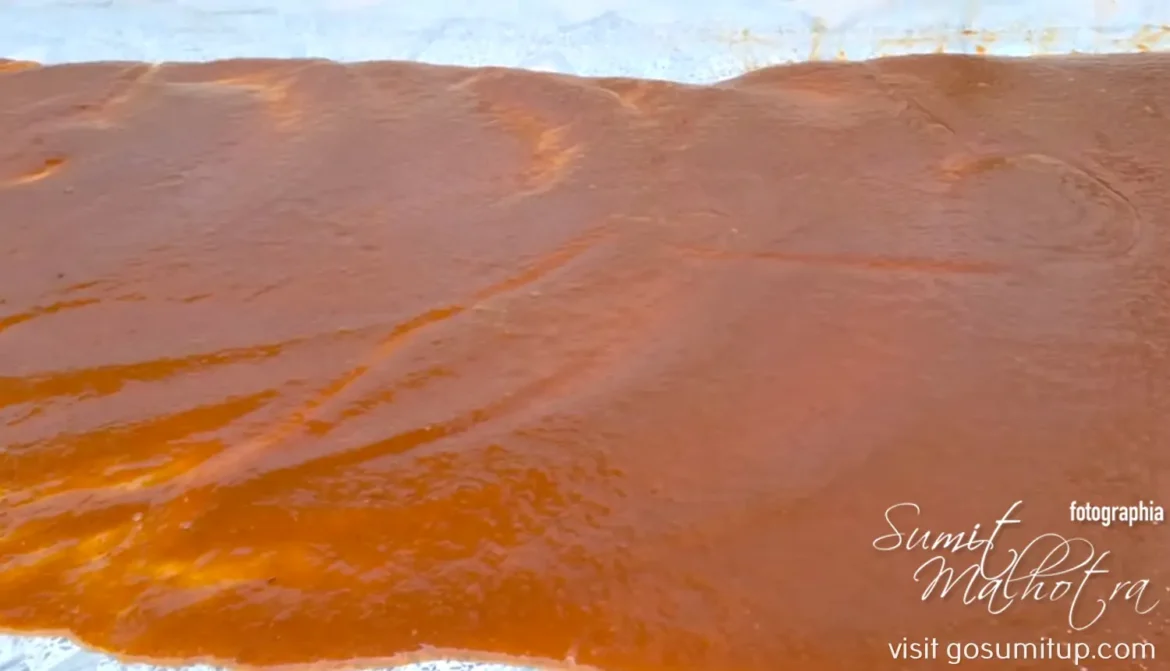
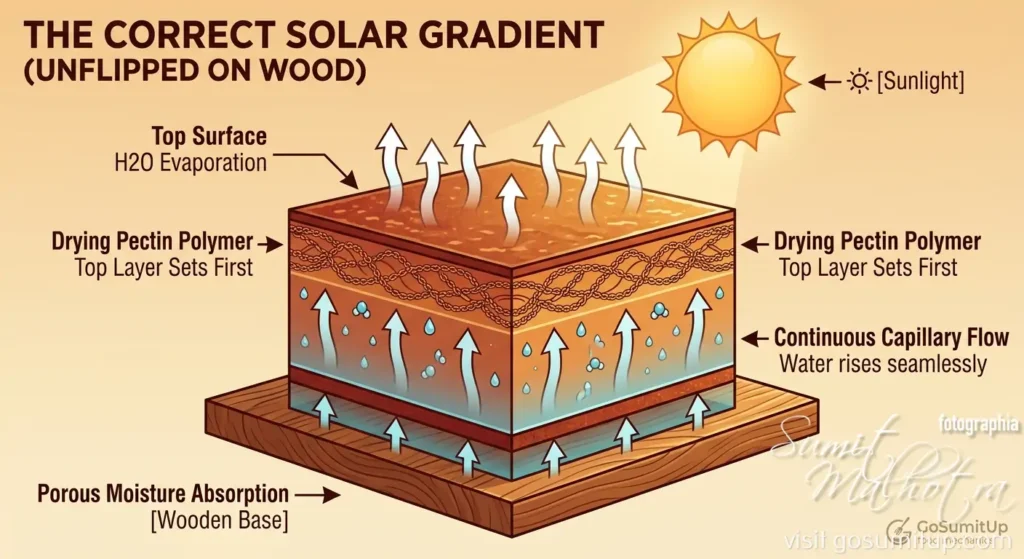
When fruit puree dries under the open sun, evaporation occurs exclusively from the upper surface exposed to the air.
In an impermeable vessel, this creates an extreme moisture gradient: the top layer dries into a skin, while the bottom remains waterlogged.
Wood, however, is a naturally porous, anisotropic material. It acts as a passive thermodynamic pump.
Through capillary action, the micro-channels within the wood grain gently draw moisture downward from the base of the puree.
As the sun evaporates water from the top, the wood wicks water from the bottom.
This dual-action drainage creates a smooth, continuous, and unidirectional moisture gradient.
Because water exits the matrix from both sides simultaneously without moving the physical sheet, the pectin polymer chains are never shocked.
They slowly settle and cross-link into a uniform, continuous, and highly flexible leather network that retains its structural integrity without ever needing to be disturbed.
Chemical Inertness
Wood is chemically inert regarding fruit acids. The high concentration of malic, citric, and tartaric acids in the plum puree sits safely on the cellulose and lignin surface of the board.
Because there are no free metal ions to react with, the delicate polyphenols and tannins remain unchanged.
The fruit retains its natural, brilliant crimson hue and its clean, sour tang.
Infographic mapping out the science of Lavaşana drying process, illustrating wood capillary action vs metal tray tannin iron oxidation.
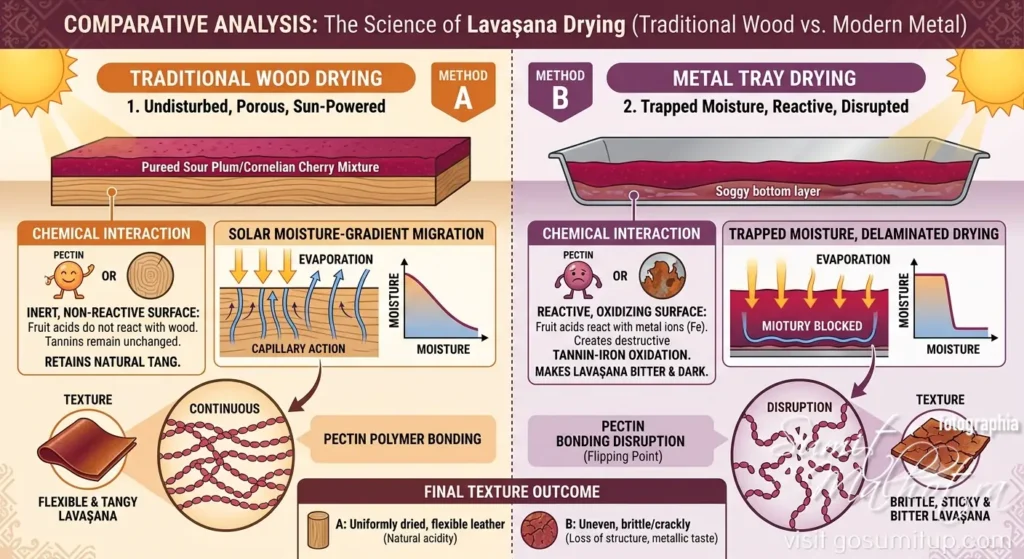
Method B: The Modern Metal Tray (Chemical Disruption)
Pouring the identical sour plum puree onto a standard metal baking sheet or aluminum tray triggers a cascade of negative chemical reactions.
When modern shortcuts replace traditional wisdom, the process breaks down at the molecular level.
Pouring the identical sour plum puree onto a standard metal baking sheet or aluminium tray triggers a cascade of negative chemical reactions.
Trapped Moisture and Delaminated Drying
Unlike porous wood, a metal tray is completely non-porous. It creates an absolute barrier to moisture at the bottom of the fruit paste.
As the sun beats down on the metal tray, water evaporates rapidly from the top layer, forming a tough, leathery skin.
Meanwhile, the water at the bottom is trapped, unable to escape downward.
This results in a “soggy bottom layer” trapped beneath a dry skin. The moisture profile is completely distorted.
To rectify this uneven drying, the cook is forced to intervene and flip the lavaşana.
The Flipping Point: Breaking the Polymer Network
Flipping the semi-dry leather is the exact moment the texture is ruined. At this stage, the pectin chains have only partially bonded into an organised network.
Peeling the fragile, unevenly dried sheet up and turning it over introduces immediate mechanical stress.
This action physically tears and disrupts the fragile pectin polymer bonding. The continuous macromolecular structure is shattered into fragmented clusters.
When the flipped sheet finally finishes drying, it cannot form a cohesive, elastic matrix.
Instead, it becomes brittle, crackly, sticky to the touch, and prone to splintering when rolled.
Tannin-Iron Oxidation and Bitterness
Even more damaging is the chemical interaction occurring at the interface of the fruit paste and the metal surface.
The aggressive, low-pH organic acids in the wild plum puree attack the metal tray.
Even on many grades of stainless steel or aluminium, this acidic environment facilitates the leaching of metal ions (Fe^2 /Fe^3 or Al^3) into the food.
These free metal ions bind with the fruit’s natural tannins, initiating a destructive tannin-iron oxidation cascade.
This reaction alters the molecular structure of the polyphenols, stripping away the clean, vibrant fruit flavours and replacing them with an unpalatable, astringent, and metallic bitterness.
Visually, the bright red compounds oxidise into dull, dark brown polymers, yielding an unappealing final product.
Lavasana Moisture Migration
Comparison at a Glance
The profound divergence between these two methodologies is summarized in the table below
Notice the mapping out the stark contrast between ancestral technique and the consequences of the modern shortcut:
|
Metric / Feature |
Method A: Traditional Wood Drying |
Method B: Metal Tray Drying |
|
Material Porosity |
High: Porous wood grain actively participates in moisture management. |
Zero: Non-porous metal completely blocks downward moisture migration. |
|
Thermodynamic Action |
Capillary Pull: Simultaneously draws moisture down while sun evaporates it from above. |
One-Sided Evaporation: Traps water at the base, creating a soggy bottom layer. |
|
Structural Handling |
Undisturbed: Remains completely stationary throughout the entire dehydration process. |
Disrupted: Must be flipped manually to dry the waterlogged underside. |
|
Pectin Structural Integrity |
Continuous Polymer Network: Uniform drying allows pectin to form a flexible, elastic leather sheet. |
Disrupted Bonding: Flipping fractures the forming polymer network, making it brittle. |
|
Chemical Reactivity |
Inert: Lignin and cellulose do not react with aggressive organic fruit acids. |
Reactive: Acids leach metal ions, triggering intense tannin-iron oxidation. |
|
Final Flavor Profile |
Pure, Vibrant Tang: Retains clean, bright, natural acidity and fruit character. |
Metallic Bitterness: Heavily oxidized tannins create a bitter, harsh taste. |
|
Final Visual & Texture |
Flexible Crimson Leather: Supple, smooth, deep red, easily rolled and stored. |
Brittle, Muddy-Brown Sheets: Sticky, dark, fragile, and prone to cracking. |
Roll up the Fruit Leather and Serve
To Sumit up Culinary Insight
An elegant, historically perfected alignment of material science, fluid dynamics, and organic chemistry.
The long-standing rule surrounding the production of lavaşana is far from an empty culinary superstition.
It is an elegant, historically perfected alignment of material science, fluid dynamics, and organic chemistry.
The traditional wooden board operates not merely as a surface, but as a passive processing partner.
It regulates moisture gradients via capillary action, maintains chemical neutrality to preserve fragile tannins, and protects the delicate, developing pectin matrix from physical disruption.
The prohibition against flipping is a safeguard designed to protect the forming macromolecular chains from being torn apart.
By understanding the underlying food science, we see that the ancient artisans of Azerbaijan discovered a fundamental truth long before the advent of modern chemistry laboratories: to create something perfectly flexible, resilient, and pure, you must understand your materials, trust the power of the sun, and above all, never flip the lavaşana.
Making of Lavaşana Now (Part 1)
Making of Lavaşana Now (Part 2)
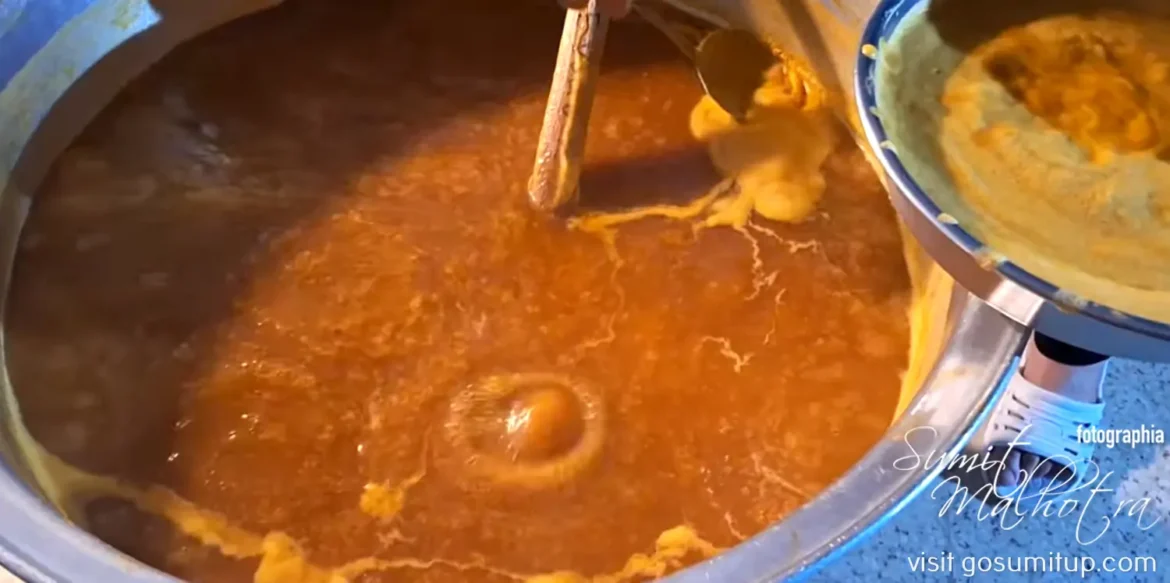
Making of Lavaşana Now (Part 3)
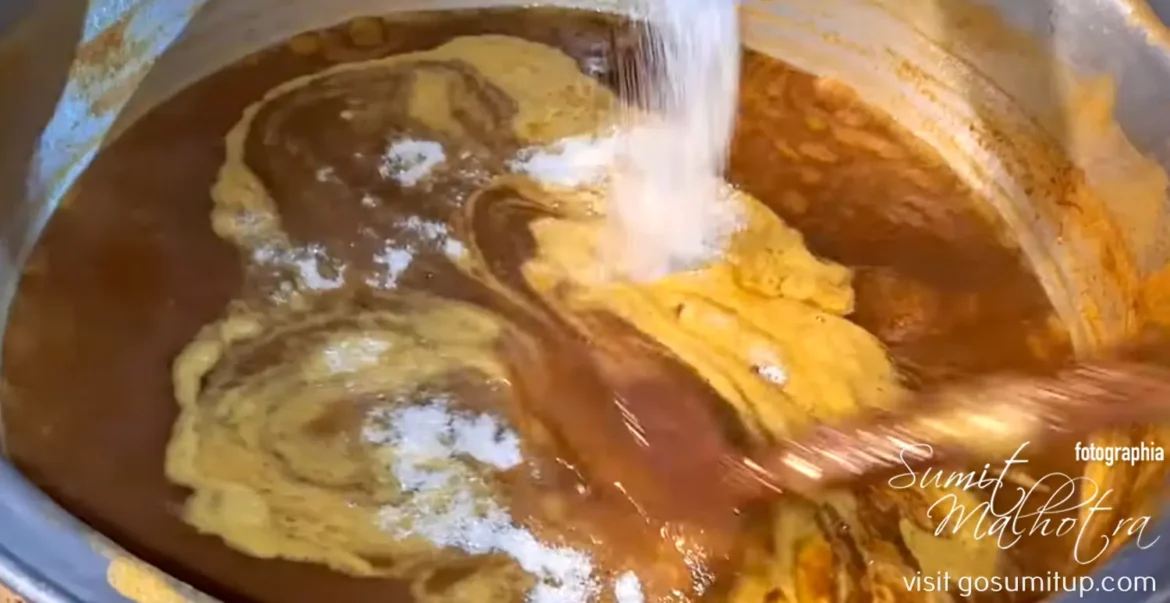
Making of Lavaşana Now (Part 4)
If you are a traveller and or just love to drive, you may find below a list of items that will fortify & thus enrich your travel experience.
I use many of these myself for my trips. They are modestly priced and quite important to keep handy.
- Travel Adapter – https://amzn.to/3A04EJp
- Action Camera – https://amzn.to/4eCSMfF
- Camera Mounts & Accessories – https://amzn.to/4eG4je2
- Dashcam – https://amzn.to/3U2j4Qc
- Neck Rest – https://amzn.to/3Y6ZP98
- Tyre Inflator – https://amzn.to/3U8HpDP
- Storage – https://amzn.to/3XVQFMI
- Car Laptop Charger – https://amzn.to/3XXMVdA
- Vacuum Cleaner Cordless – https://amzn.to/3Yo1hWd
- Air Mattress – https://amzn.to/4015Bvu
- Jack Ratchet Wrench – https://amzn.to/3YkxddO
- Cleaning Cloth Microfibre – https://amzn.to/3NIOFmt
- Rechargeable Solar LED Torch – https://amzn.to/3Yj4h5Y
- Electronics Accessories Organiser – https://amzn.to/3A04XUz
- Pocket Travel Data Transfer Tool – https://amzn.to/3zMTxnc
- Smart Tracker for Keys – https://amzn.to/3BTuIq0
- Camping Cookware Kit – https://amzn.to/3BIy0N3
- Sleeping Bag – https://amzn.to/3U7v2rP
GoSumItUp is a personal blog written and edited personally by me. All opinions expressed are my own, which are honest and have not been influenced by any means.
My reviews are dependent on the visits at the time, and revisits will be reviewed again as they may have a different experience or the same.
I am not a food critic nor do I consider myself as one; this platform allows me to write and review my own personal dining experiences, whether good or bad, delicious or not, all of which are honest and truthful opinions.
Suppose you disagree or agree with me at any point, or do not receive the same experiences as I have. In that case, I do not hold any responsibility as everyone will have their own experiences that they will encounter themselves.
I pay for all meals. However, if any meals or products have been sponsored or compensated or if I was a guest, it will be clearly disclosed at the end of each review.
All images on this blog are my own unless stated otherwise. If you wish to use any of my photography for any purposes, please do not use it without any written permission and give credit and/or link back to the website.
If you would like to send a product or any sponsors/endorsements, it may or may not be published and reviewed on the website.
If you wish to send any products or invitations for any media, press or collaborations, etc., consider if it is something related to the content of the website, and if you see fit, please visit the Contact page for contact details.
Thank You.
Thank you for visiting GoSumItUp! I hope you enjoy the reviews & recipes found at www.gosumitup.com.
This page consists of disclaimers regarding the recipe, its outcome, nutrition, and food handling safety decisions.
The recipes have been cooked and compiled by me for general information only and should not be used to diagnose or treat any medical condition/s.
This information is not intended to diagnose, treat, cure, or prevent any disease as well.
GoSumItUp.com has used all reasonable care in compiling the information but offers no warranty as to its accuracy or its use in any possible form.
Consult a doctor or other health care professional for diagnosis and treatment of any medical condition/s. For more details please refer to our disclosure policy.
If you like this article, you can let us know in the comments below or on social media using #gosumitup and tag @gosumitup on Facebook.
I am always happy to read your feedback, and if you liked the dish or if you made the dish. :)
Better still, take a picture and post it on Instagram and tag it as #gosumitup
Connect directly – You can also connect with me directly on my Instagram, Facebook or Pinterest.
And, keep visiting us for more of such awesomeness. Bookmark gosumitup.com into your web browser now or simply subscribe to our browser notifications.