Ah, jumping over the Atlantic (after discovering the culinary myths of Azerbaijan) straight to the Caribbean archipelago! I am pivoting our cultural food-science lens to The Bahamas.
Bahamian cuisine is far more than generic beachside resort fare. It is deeply shaped by its limestone geology, shallow coral sea shelves, and West African diaspora roots.
The local culinary landscape relies heavily on specific enzymatic acids, starch gelatinisation, and thermal protein manipulation to master the elements of the islands.
With this blog post, we immerse ourselves in the foundational blueprint of the Culinary Myths of The Bahamas, ready to be broken down into full, science-driven article packages.
Read about Conch Salad, Bahamian Food, Acid Denaturation, Protein Chemistry, Queen Conch, Citrus Marine Mechanics, Food Science, Tropical Gastronomy, Caribbean Cooking, Culinary Myths
Learn more about Citrus Protein Realignments, Marine Myofibrillar Hydrolysis, Isoelectric Point Denaturation, Syneresis Muscle Contraction
Find about Conch Salad Biochemistry, Bahamian Conch Salad, Acid Denaturation Seafood, Queen Conch Food Science
Bahamian Conch Salad
The Acid-Induced Macromolecular Denaturation of Conch Salad
The Folklore: The absolute king of Bahamian street food is fresh, raw Queen Conch (Alstrombus gigas), chopped straight out of its shell at open-air shacks.
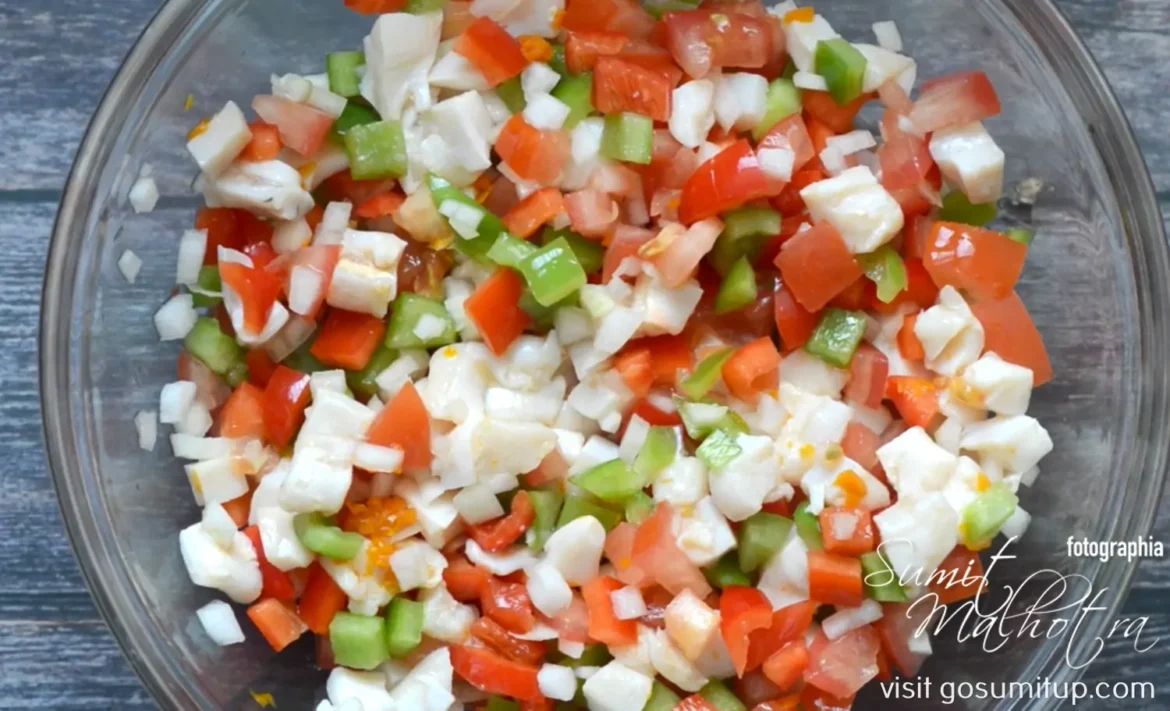
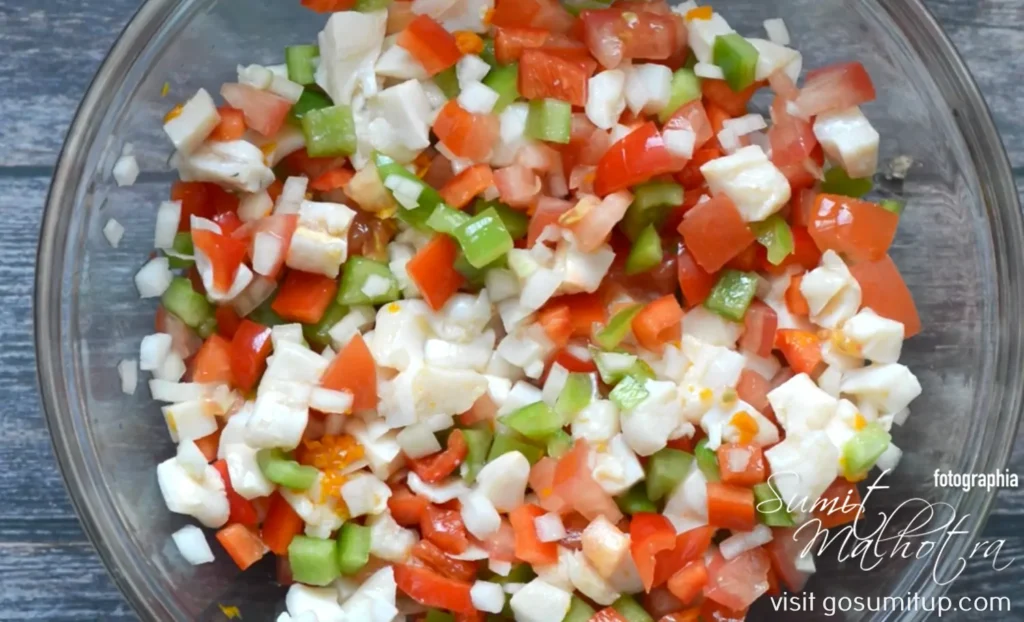
In a nutshell, Conch salad is a vibrant, refreshing Bahamian ceviche-style dish made with raw, tenderised conch meat, crisp diced vegetables, and citrus juice.
The fresh, slightly chewy seafood is “cooked” by the acidity of fresh lime and orange juices, yielding a zesty, tropical, and spicy flavour profile.
The shacks have an ironclad rule: the conch meat must be intensely doused with freshly squeezed, highly acidic key lime and sour orange juice immediately before serving.
Island masters claim that if the conch sits in the citrus pool for too long, it loses its “sweet freshness” and turns into tough, unchewable rubber.
The Biochemistry: This is a delicate masterclass in cold acid-denaturation of structural proteins.
Conch muscle tissue is naturally dense, rubbery, and highly cross-linked. The high concentration of citric acid, with a pH (approx.) of 2.0, acts as a chemical cooking agent.
It attacks the folded protein chains, causing them to unwind and trap water, making the meat tender.
However, if left to sit, the acid overdenatures the proteins, causing them to clump tightly and squeeze out the water matrix via syneresis, turning the conch into tough, rubbery strands.
Conch Salad in Nassau, Bahamas
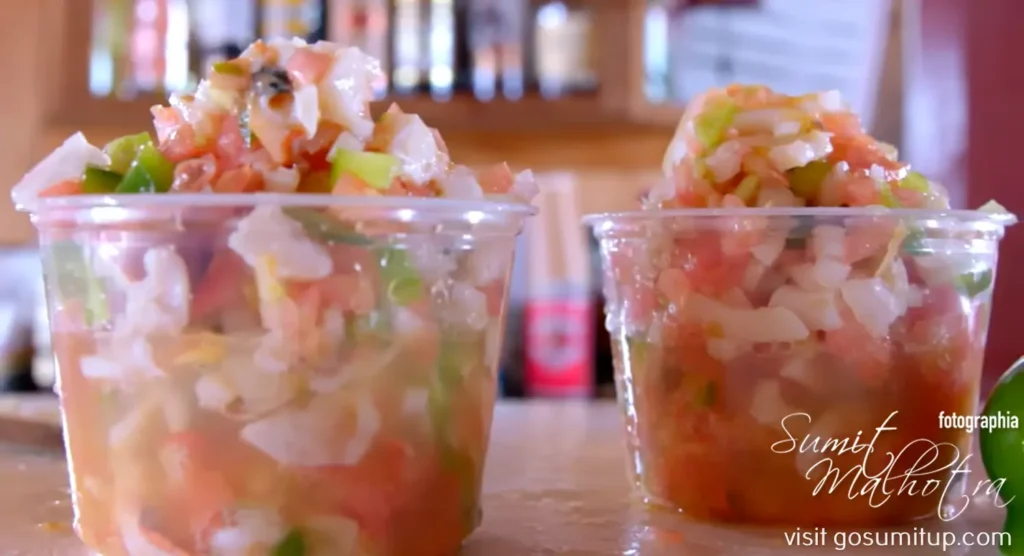
The Open-Air Stalls of the Bahamian Shacks
However, the defining moment—the act that elevates the assembly from a mere collection of raw ingredients into a culinary masterpiece.
Across the sun-bleached docks of Arawak Cay in Nassau, throughout the bustling stalls of Potter’s Cay, and stretching down to the remote settlement shacks of the Bahamian Out Islands, a distinct acoustic signature defines the culinary landscape.
It is the rhythmic, heavy, metallic clack-clack-clack of high-carbon stainless steel cleavers violently striking thick, dense rounds of native horseflesh mahogany or sea grape wood.
This is the mechanical genesis of the ultimate island staple: Bahamian Conch Salad.
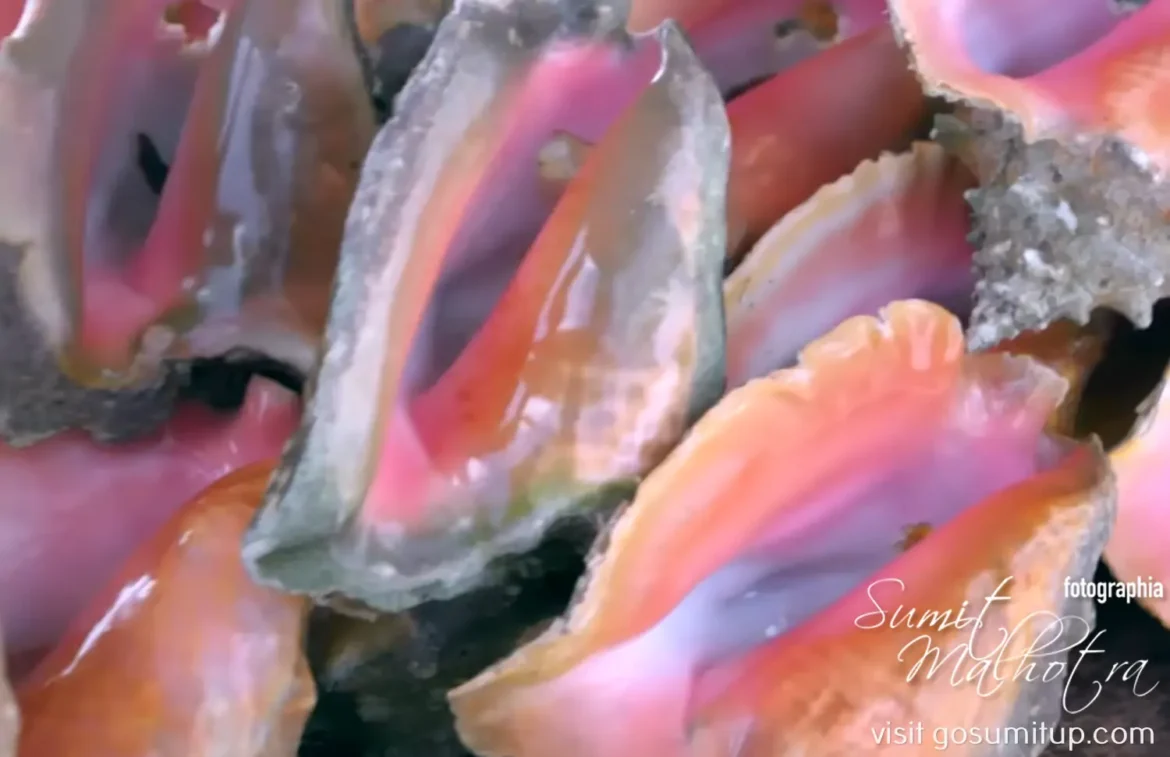
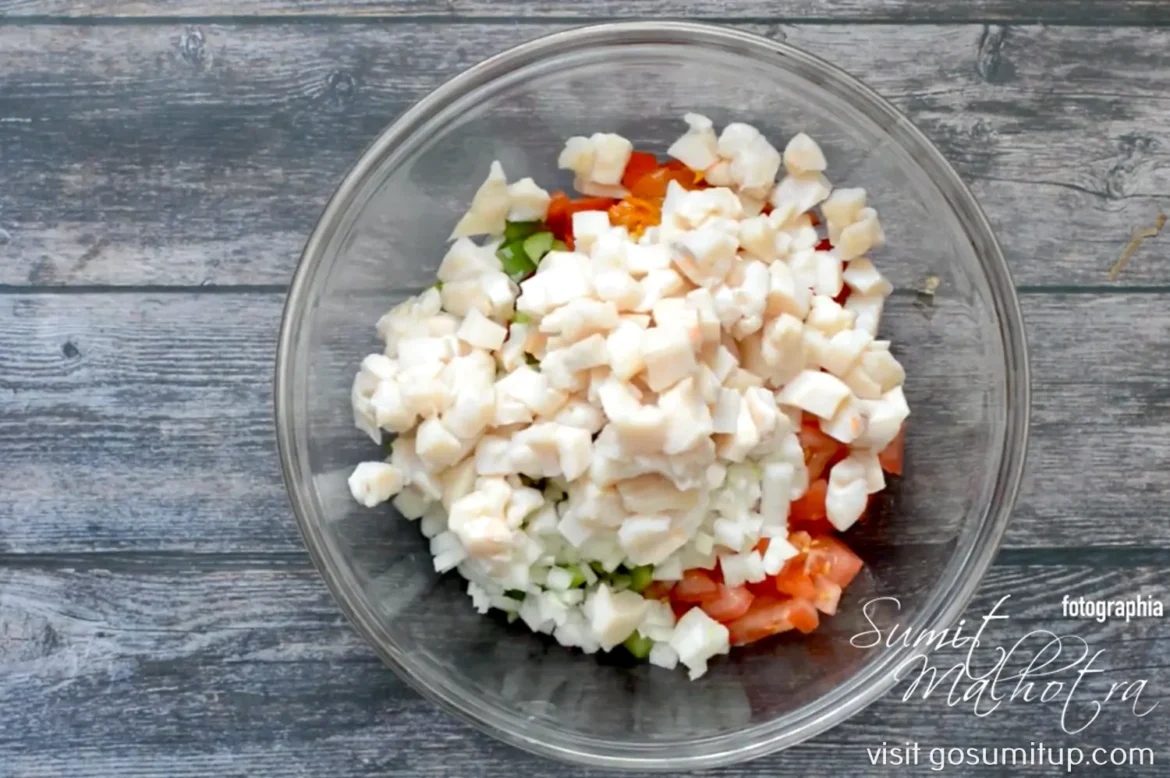
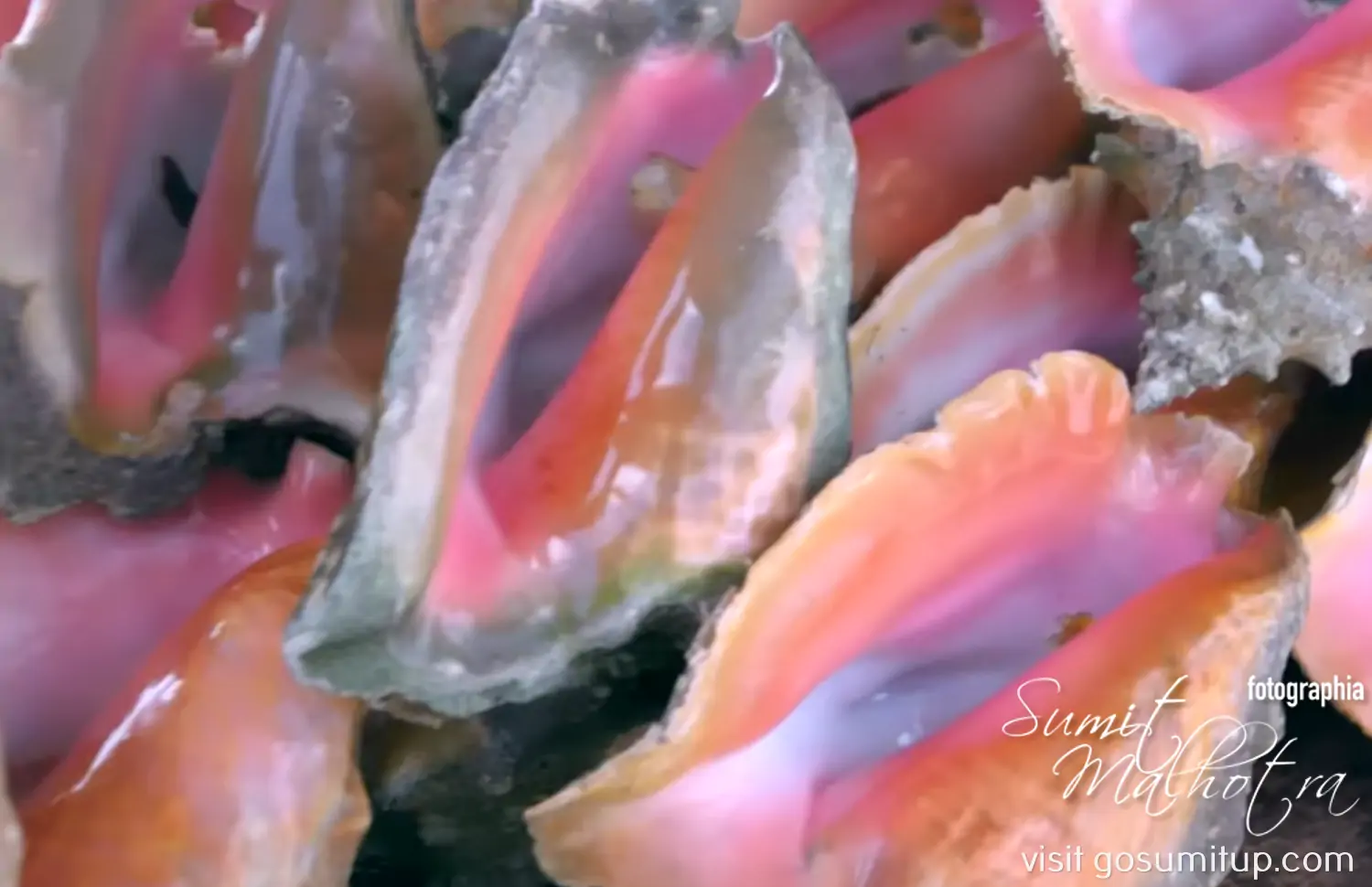
Prepared entirely fresh to order in full view of the patron, this legendary dish features the dense, porcelain-white and translucent pink meat of the Queen Conch (Alstrombus gigas).
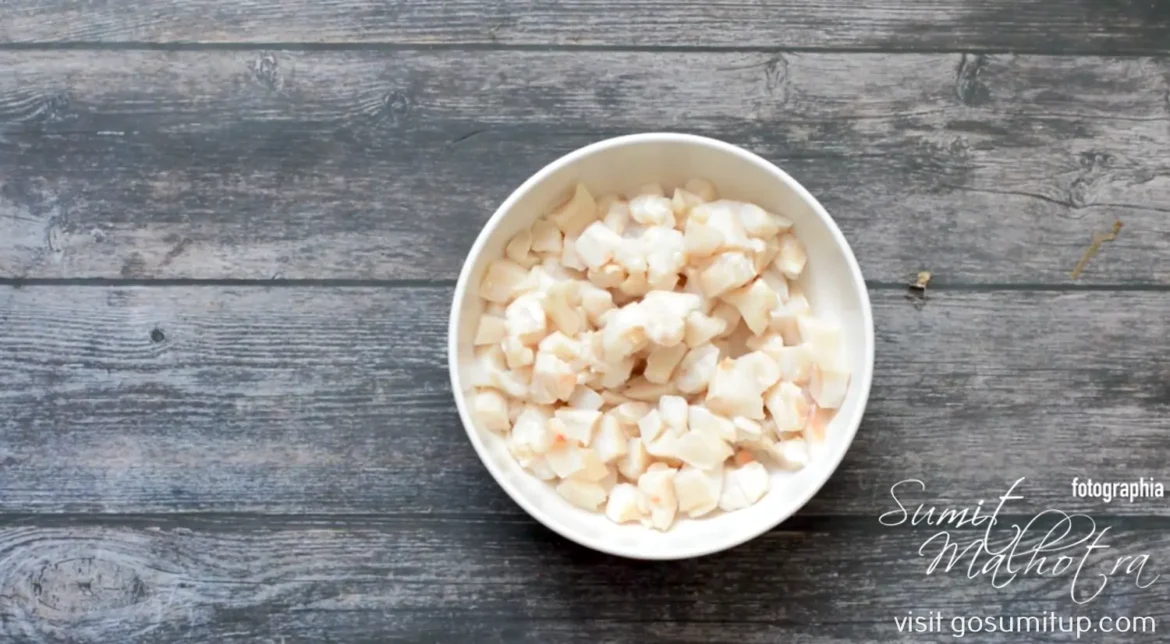
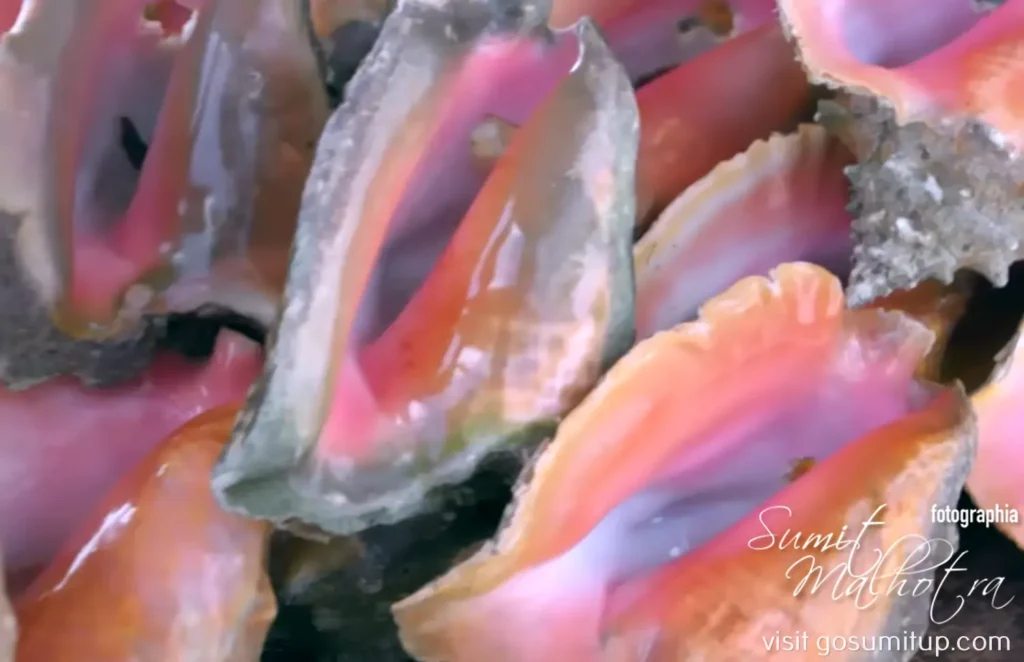
The raw mollusc tissue is meticulously extracted from its heavy, fluted terracotta-pink shell, skinned of its tough dark epidermis, and rapidly diced into uniform, small cubes.
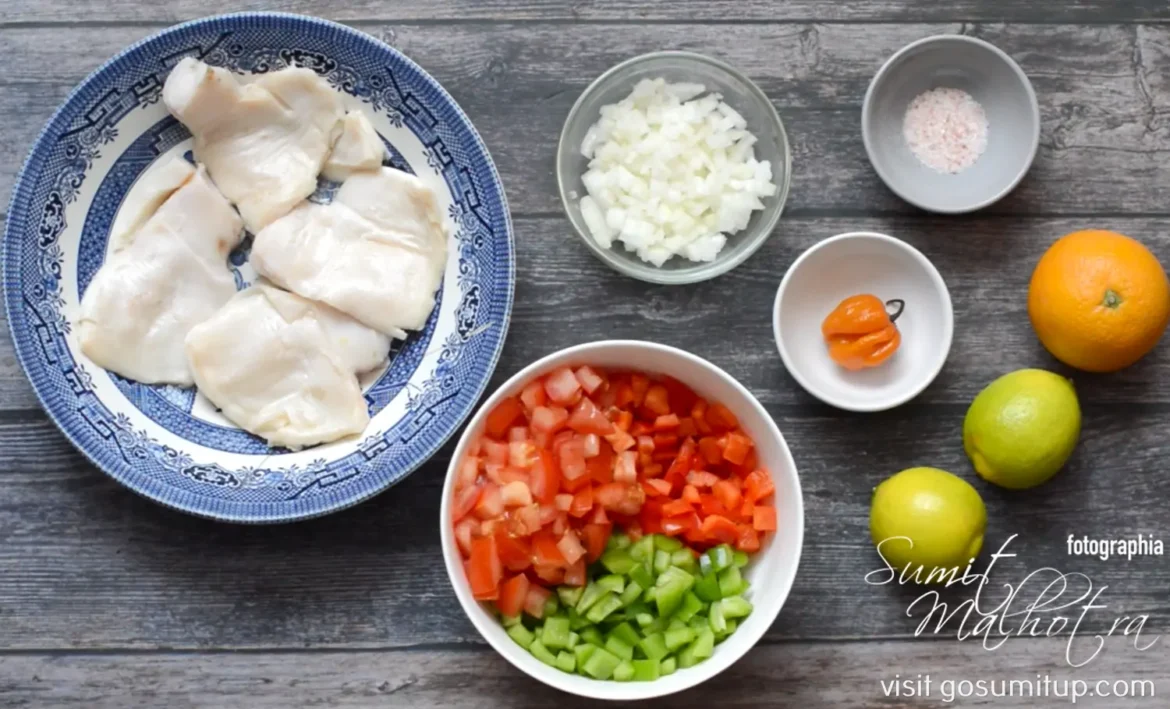
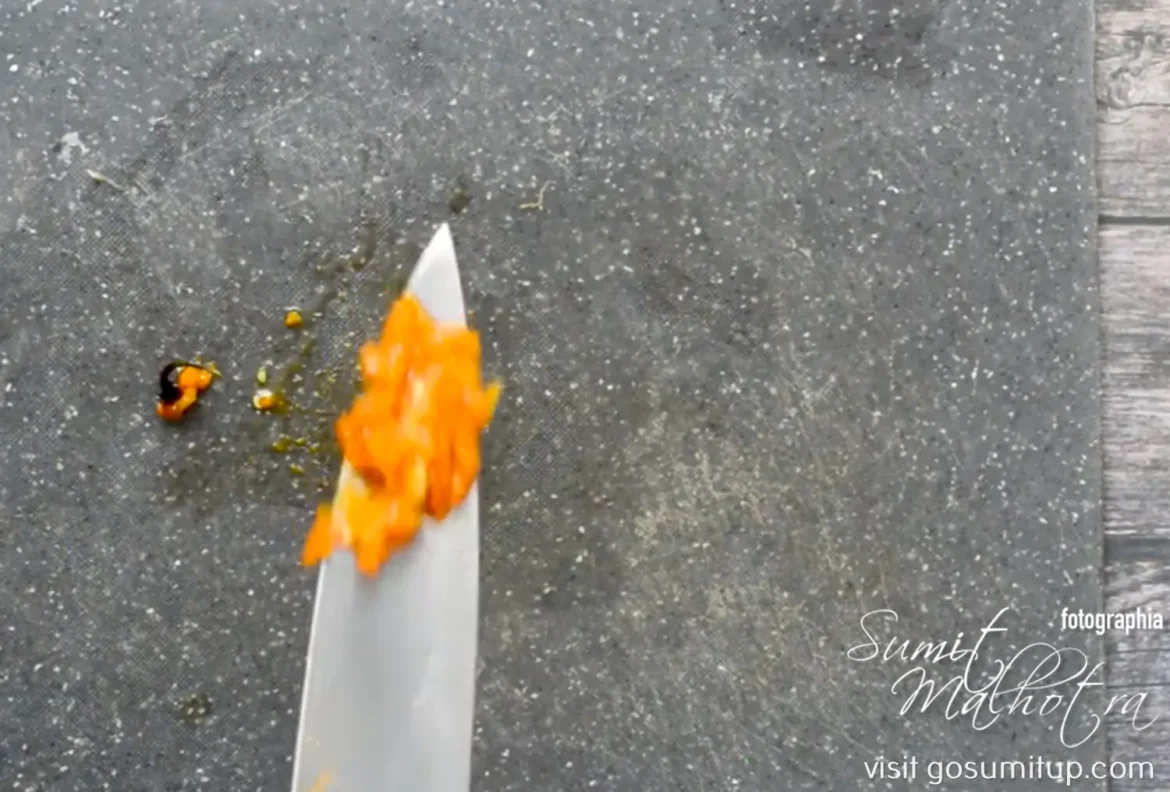
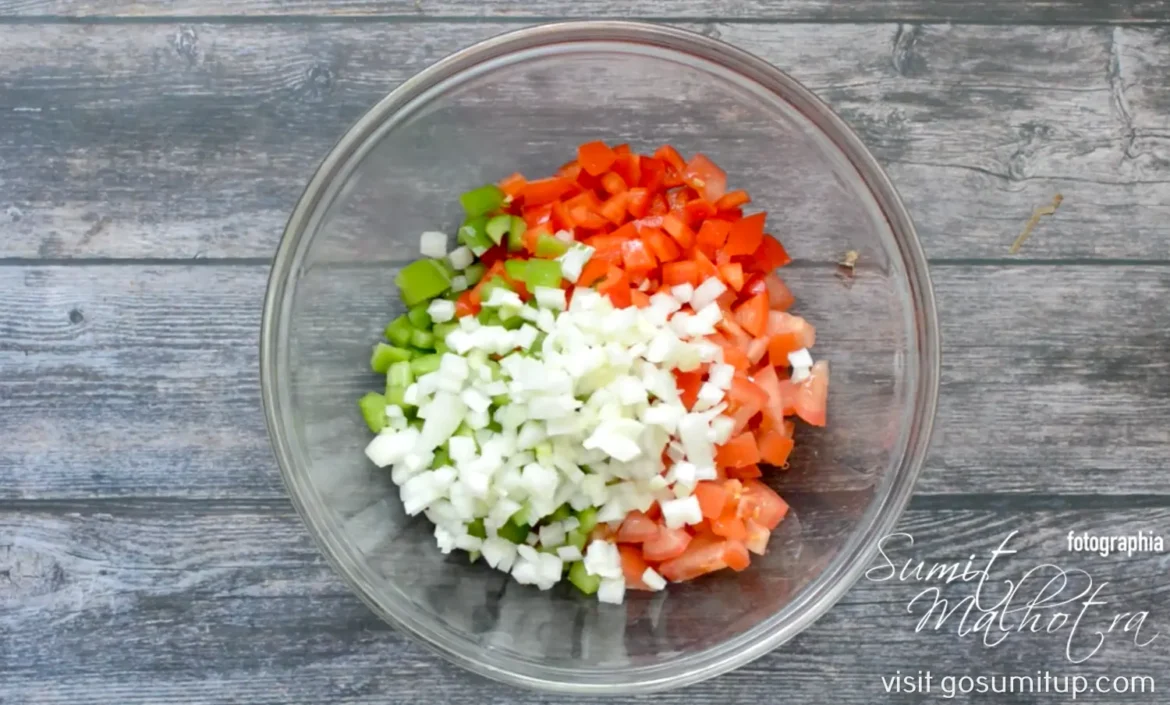
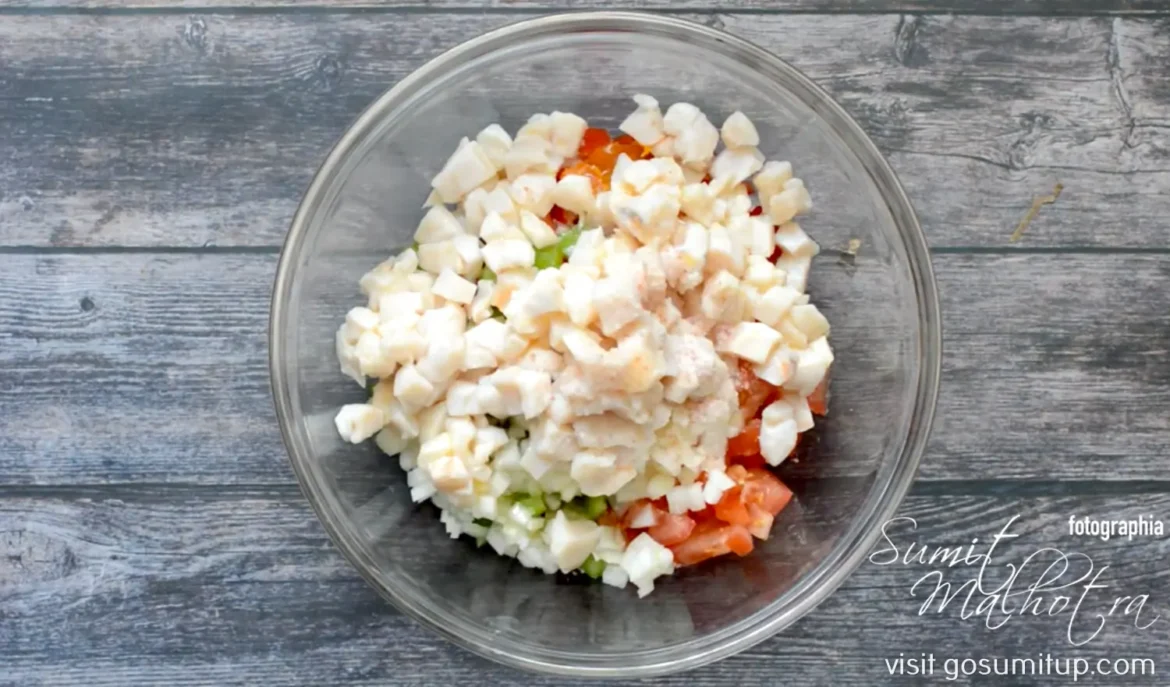
This marine foundation is tossed with crisp, freshly cut white onions, vibrant red tomatoes, sweet green bell peppers, and fine fragments of scorching bird’s eye goat peppers.
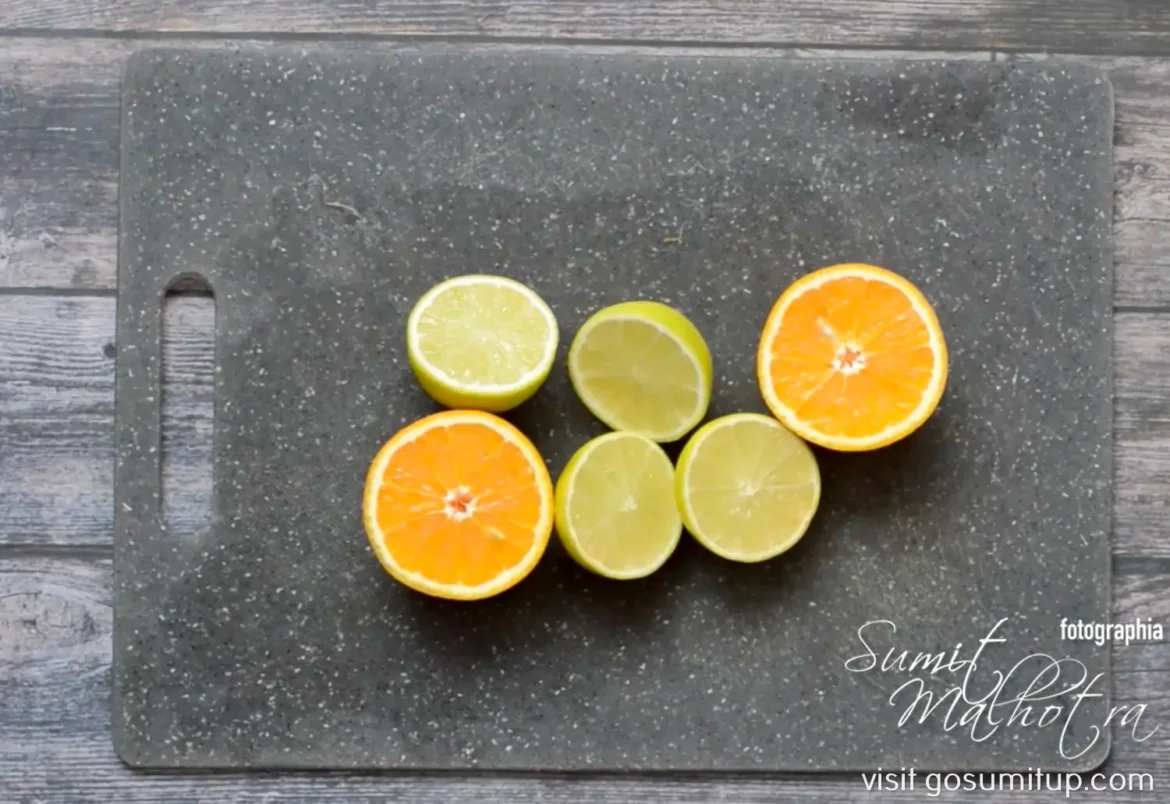
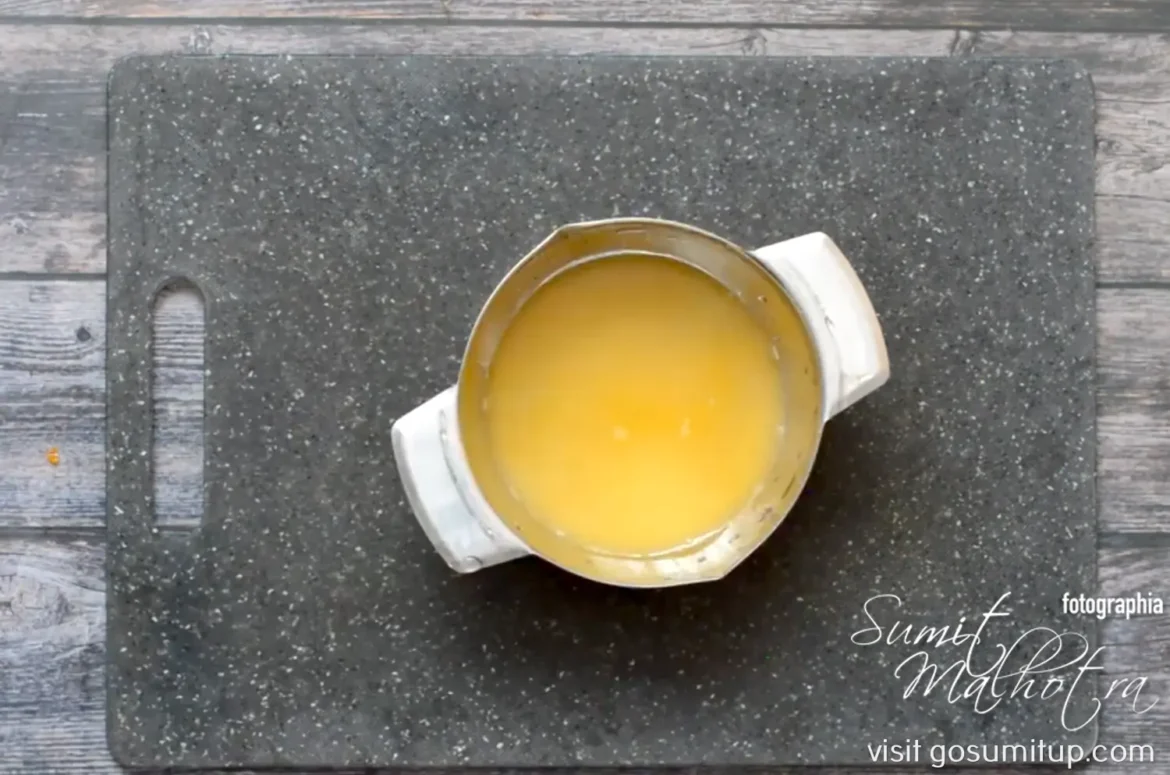
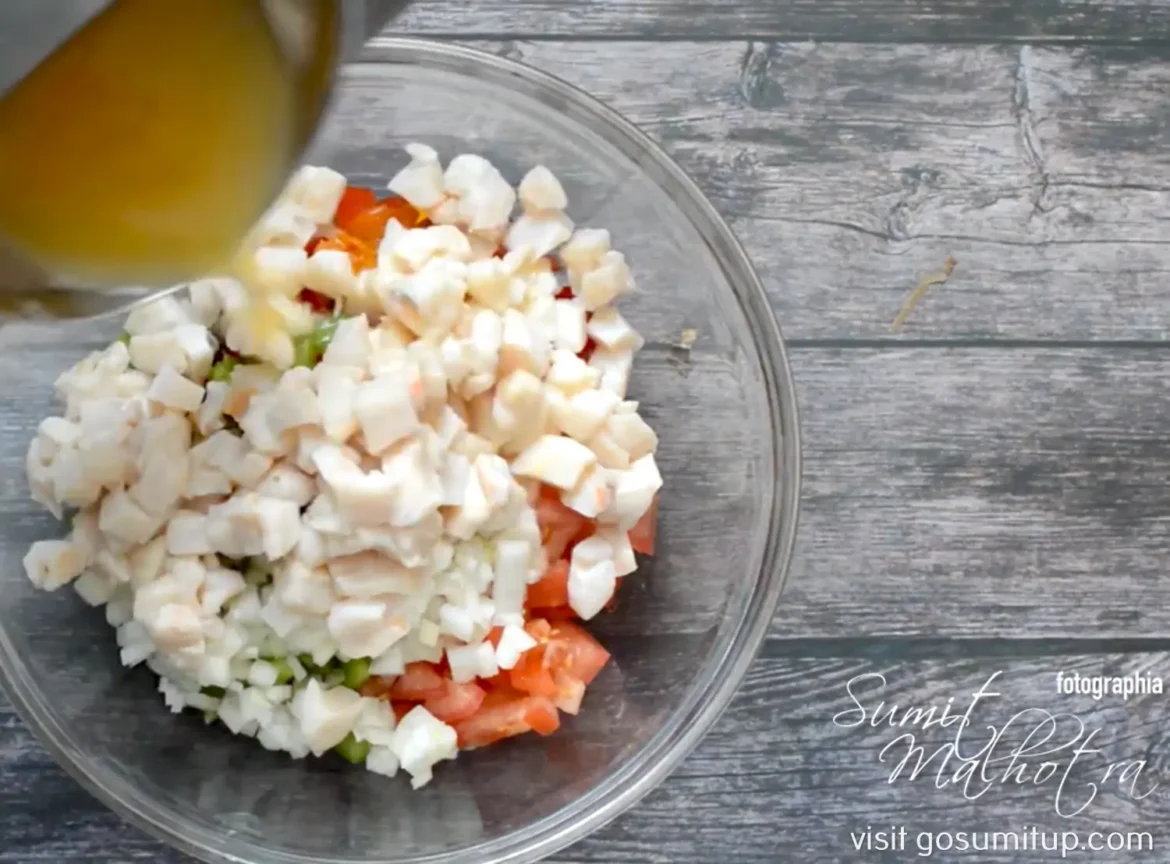
However, the defining moment—the act that elevates the assembly from a mere collection of raw ingredients into a culinary masterpiece—occurs when the bowl is flooded with an intensely sour, hand-squeezed matrix of fresh key lime juice (Citrus aurantiifolia) and native sour orange juice (Citrus aurantium).
Within Bahamian culinary folklore, the intersection of the citrus juice and the raw conch meat is governed by a strict, generational law of temporal urgency.
Island salad masters enforce an ironclad, non-negotiable protocol: the acid must never touch the conch until the precise moment the salad is handed over to the diner.
Old-school stall vendors warn with absolute gravity that if the chopped conch is allowed to sit or marinate in the citrus juice pool for more than a few minutes, the citrus will “burn” the meat.
According to the myth, this acidic “fire” destroys the pristine, sweet ocean crunch of the fresh mollusc, fundamentally scorching its cellular matrix and transforming a delicate, tender island treat into a tough, unchewable, rubbery disaster.
Yet, a lime or a sour orange contains no thermal properties, no actual heat, and no combustion capabilities.
Its ability to radically alter the physical structure, colour, opacity, and tensile elasticity of raw seafood within a span of minutes is not a manifestation of “burning” or cold cooking in a literal sense.
Instead, it is a stunning, beautifully coordinated display of macromolecular biochemistry, acid-induced protein denaturation, and cellular fluid dynamics.
The transition of tough, raw mollusc muscle tissue into a perfectly tenderised, succulent coastal delicacy represents a highly calculated chemical balancing act that turns ancient street food tradition into a flawless, unpowered laboratory experiment.
Freshly Sourced Conch for Making Conch Salad
The Core Gastropod Myth: Deconstructing the "Citrus Fire"
The myth of the citrus fire is actually a brilliant cultural observation of an underlying chemical reality.
To appreciate why the myth of citrus “burning” the conch has persisted across generations of Bahamian cooks, one must first look at what happens visually and texturally in the bowl.
When the highly translucent, dense cubes of raw conch are submerged in the freshly squeezed citrus juices, the change is nearly instantaneous.
Within seconds, the exterior of the translucent white flesh begins to turn intensely opaque, shifting to a matte, solid chalk-white colour that looks identical to the structural changes caused by dropping raw meat into boiling water or onto a screaming-hot iron griddle.
Because the visual output matched the exact end state of thermal cooking, it was entirely logical for ancestral cooks to deduce that the acid possessed an invisible, slow-acting flame that “cooked” or “burned” the seafood if left unmonitored.
The subsequent textural degradation—where over-marinated conch turns dry, fibrous, and incredibly rubbery—further reinforced the idea that the meat had been “overcooked” by the invisible heat of the lime.
However, the underlying physical reality has nothing to do with heat transfer or thermal energy.
The citrus juice is not adding thermal energy to break chemical bonds; rather, it is introducing a massive influx of subatomic particles—specifically hydrogen ions H+ – that rewrite the electrochemical rules governing the structure of biological matter.
The myth of the citrus fire is actually a brilliant cultural observation of an underlying chemical reality: the extreme sensitivity of marine structural proteins to sudden shifts in environmental acidity.
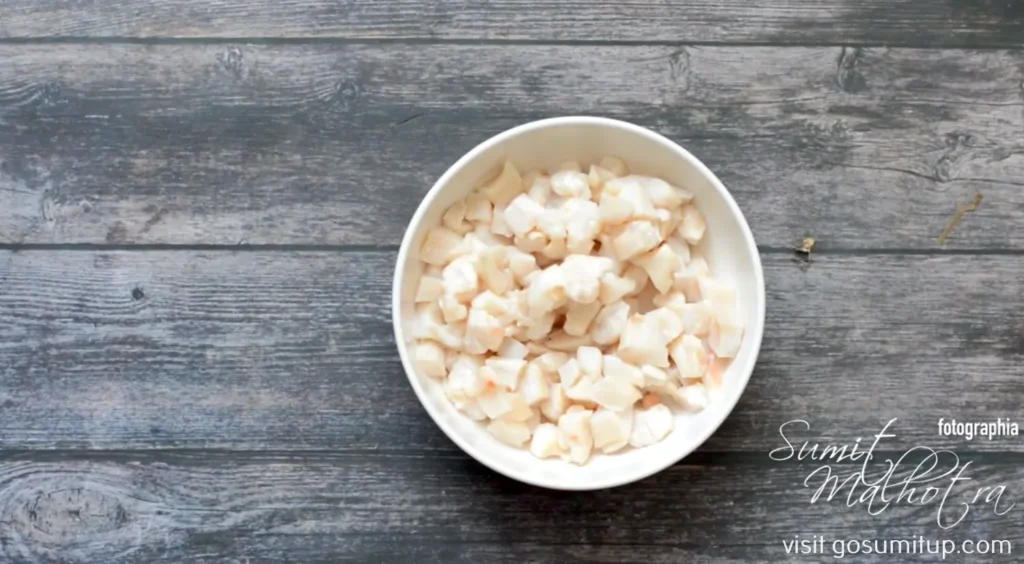
Finely Dice Conch Meat for Conch Salad
The Architecture of Conch Muscle Tissue
These fibers are heavily cross-linked with structural collagen and an exceptionally dense extracellular matrix.
To understand how the acid interacts with the conch, we must first analyse the formidable material engineering of the Queen Conch’s anatomy.
Unlike finfish, whose muscle tissue is composed of short, delicate, and easily separated muscle blocks called myotomes held together by fragile connective tissue bands (myocommata), the Queen Conch is a slow-moving, heavy-shelled gastropod mollusc.
To drag its massive, calcified protective shell along the abrasive limestone sands of the Bahamian marine shelves, the conch relies on an incredibly robust, highly developed muscular foot.
This foot tissue is composed almost entirely of myofibrillar proteins (primarily actin and myosin) that are woven into tight, dense, multi-directional bundles.
Furthermore, these fibres are heavily cross-linked with structural collagen and an exceptionally dense extracellular matrix designed to withstand continuous mechanical tension and high-pressure stress.
If you were to consume a piece of this muscle tissue straight out of the ocean without any physical or chemical alteration, it would be structural torture for human teeth.
The fibres are too tightly bundled, and the internal molecular bonds are too strong to be broken down efficiently by simple chewing.
It requires a transformative catalyst to loosen this tightly woven biological engine.
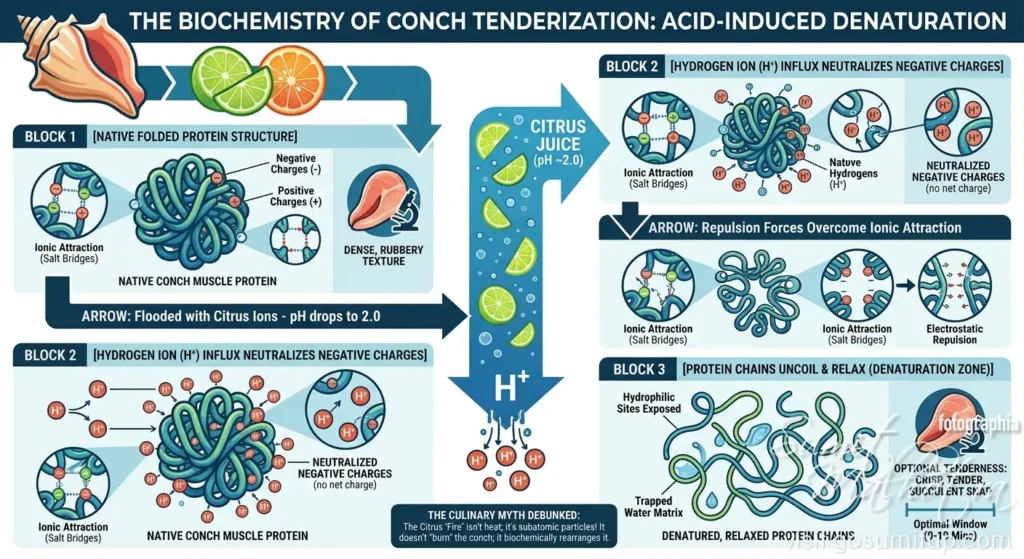
Bichemistry of conch tenderisation
The Acidic Catalyst: Lowering the Isoelectric Threshold
These bonds rely on stable, neutral electrical charges to keep the protein chain coiled tight.
The combination of Bahamian key lime juice and sour orange juice functions as a highly potent chemical key that unlocks this dense protein cage.
The primary mechanism at play is the systemic lowering of the environment’s pH.
Fresh key lime juice is exceptionally acidic, containing a high concentration of citric acid C6H8O7 that routinely registers a pH between 2.0 and 2.4.
Sour orange juice adds a complementary layer of ascorbic and citric acids, stabilising the acid bath.
When this highly acidic solution floods the diced conch meat, the massive concentration of free hydrogen ions H+ immediately alters the electrical charge of the amino acids making up the conch’s muscle proteins.
In their native state, these long-chain proteins are folded into complex, tightly wound three-dimensional superstructures held together by delicate, internal ionic bonds (salt bridges) and hydrogen bonds.
These bonds rely on stable, neutral electrical charges to keep the protein chain coiled tight.
As the pH drops precipitously below the protein’s native equilibrium, the influx of positive hydrogen ions neutralises the negatively charged side chains along the amino acid polymers.
This sudden electrical shift completely disrupts the internal ionic attraction, causing the tightly wound protein loops to instantly repel one another, snap open, and uncoil.
This structural unravelling is the exact definition of macromolecular denaturation. The acid forces the rigid, tightly knit bundles of conch muscle to relax, expand, and lose their dense, unyielding structural integrity.
The Window of Optimum Tenderness: Kinetic Denaturation
The reaction inside the salad bowl operates on a highly sensitive, time-dependent kinetic curve.
The core of the Bahamian culinary myth—the strict insistence on serving the salad immediately after the juices are introduced—is fully validated by the precise chemical timeline of this denaturation process.
The reaction inside the salad bowl operates on a highly sensitive, time-dependent kinetic curve.
1. The Initial Softening Phase (0 to 8 Minutes)
As the high-acid citrus juice hits the exterior of the conch cubes, the rapid uncoiling of the actin and myosin filaments opens up a massive surface area of previously hidden, internal molecular pathways.
These newly exposed sections of the protein strands are highly hydrophilic (water-attracting).
Instead of expelling water, the uncoiling protein matrix actively traps and binds the surrounding moisture and fresh citrus juices within its loosened three-dimensional network.
This creates a beautifully hydrated, soft, yet structurally intact gel-like matrix.
This is the optimal window targeted by Bahamian street food masters: the conch meat turns from translucent to an attractive opaque matte-white, and the texture achieves a perfect balance—yielding easily to the teeth with a crisp, clean, juicy snap, completely devoid of any tough chewiness.
2. The Contraction and Clumping Phase (10 to 20 Minutes)
If the conch salad is left to sit in the acid pool, the chemical reaction does not simply stop at the point of optimum tenderness.
The excess hydrogen ions continue to saturate the core of the diced muscle blocks, pushing the proteins completely past their isoelectric point—the specific pH level where a protein carries no net electrical charge.
When a protein reaches its isoelectric point, its ability to interact with water molecules drops to near zero.
Deprived of their stabilising electrical charges, the loose, uncoiled protein strands begin to randomly collide with one another.
Instead of remaining relaxed and open, they begin to aggregate and clot together, forming dense, tightly bound, rigid secondary molecular clusters.
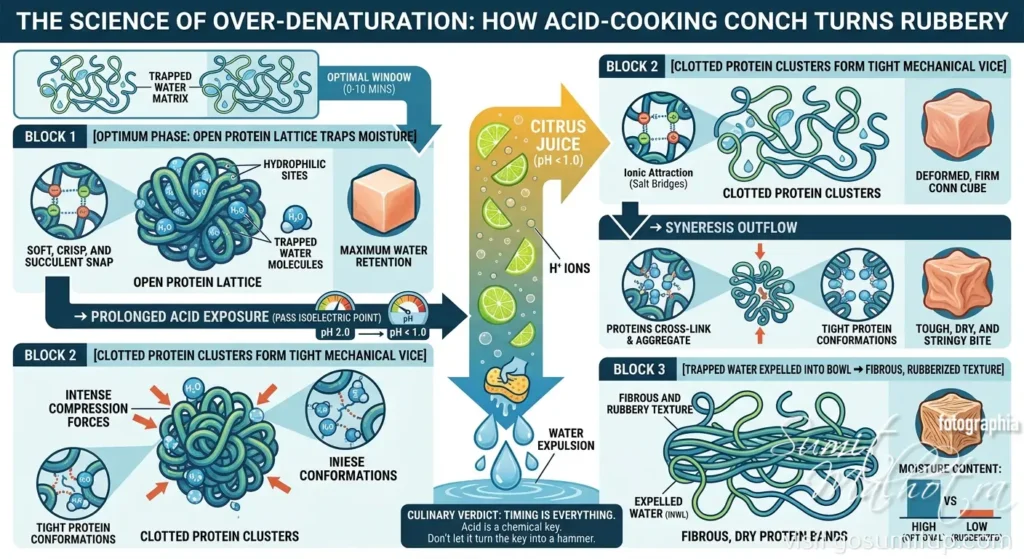
The science of over-denaturation
3. The Syneresis Crisis (20+ Minutes)
As these clotted protein networks continue to tighten and solidify, they behave like a tightening mechanical vice.
The shrinking spaces within the protein lattice violently squeeze out the trapped water molecules that were captured during the initial softening phase.
This rapid expulsion of cellular fluid is known in structural food physics as syneresis.
The water that once made the conch juicy and tender is forced out into the bottom of the salad bowl, leaving behind a dehydrated, tightly knotted, incredibly fibrous mesh of pure, rigid protein.
This is the exact moment the culinary myth describes: the conch has been “burned” by the lime. The meat becomes rubbery, tough, dry, and stringy, requiring exhaustive jaw work to break down.
How to Make Bahamian Conch Salad (Part 1)
How to Make Bahamian Conch Salad (Part 2)
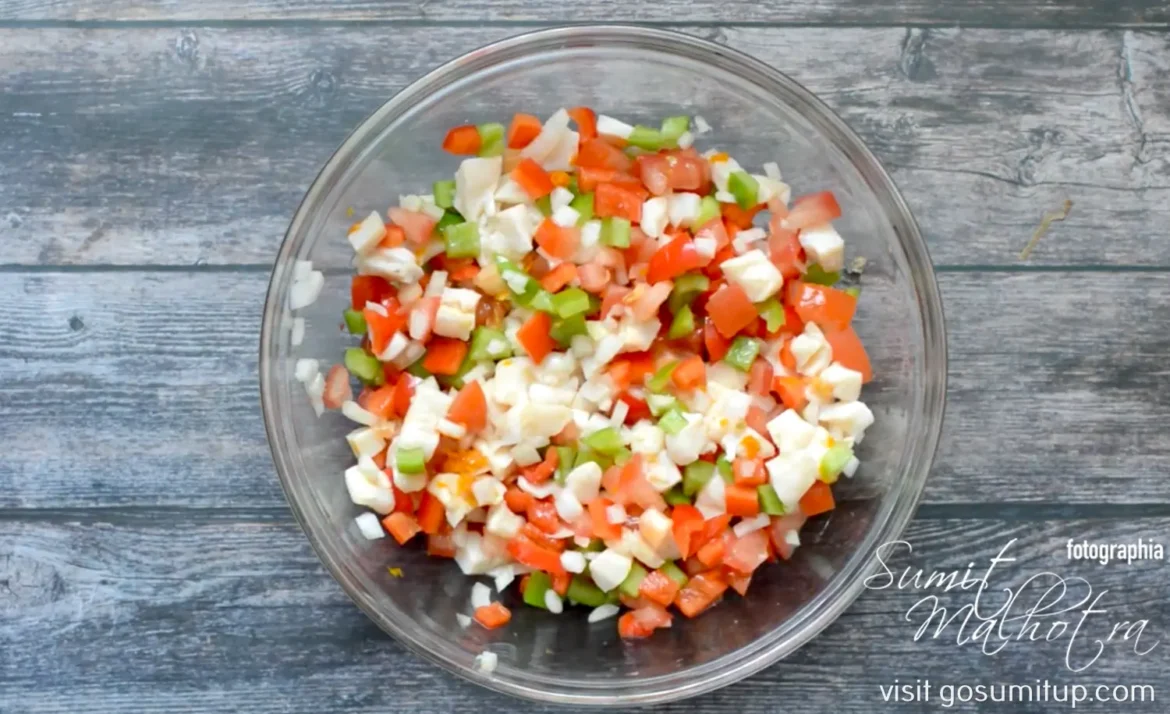
How to Make Bahamian Conch Salad (Part 3)
To Sumit up Culinary Insight
The citrus juice in a Bahamian conch salad does not burn the meat; it uses a high-velocity, acid-driven pH shift to pull off a flawless cold macromolecular denaturation.
The celebrated texture and juicy snap of authentic Bahamian conch salad are the direct triumphs of precise chemical timing over raw muscle architecture.
By flooding dense, heavily cross-linked gastropod muscle with the low-pH citric matrix of key limes and sour oranges right before serving, island chefs rapidly uncoil rigid protein structures.
Serving the dish immediately catches the chemical curve at its peak hydration phase—before the proteins cross the isoelectric threshold, clot together, and trigger the fluid-expelling nightmare of syneresis.
The old-school street vendors are entirely right about the timeline, even if their “fire” is actually a beautiful display of subatomic hydrogen ion mechanics.
Disclaimer
If you like this article, you can let us know in the comments below or on social media using #gosumitup and tag @gosumitup on Facebook.
I am always happy to read your feedback and if you liked the dish or if you made the dish. :)
Better still, take a picture and post it on Instagram and tag it as #gosumitup
Connect direct – You can also connect with me directly on my Instagram and Facebook or on Pinterest.
And, keep visiting us for more of such awesomeness. Do bookmark gosumitup.com into your web browser now or simply subscribe to our browser notifications.
If you are a traveller and or a driver, you may find below a list of items that will fortify your travel experience. I use many of these myself for all my trips. They are modestly priced and quite important to keep handy.
- Travel Adapter – https://amzn.to/3A04EJp
- Action Camera – https://amzn.to/4eCSMfF
- Camera Mounts & Accessories – https://amzn.to/4eG4je2
- Dashcam – https://amzn.to/3U2j4Qc
- Neck Rest – https://amzn.to/3Y6ZP98
- Tyre Inflator – https://amzn.to/3U8HpDP
- Storage – https://amzn.to/3XVQFMI
- Car Laptop Charger – https://amzn.to/3XXMVdA
- Vacuum Cleaner Cordless – https://amzn.to/3Yo1hWd
- Air Mattress – https://amzn.to/4015Bvu
- Jack Ratchet Wrench – https://amzn.to/3YkxddO
- Cleaning Cloth Microfibre – https://amzn.to/3NIOFmt
- Rechargeable Solar LED Torch – https://amzn.to/3Yj4h5Y
- Electronics Accessories Organiser – https://amzn.to/3A04XUz
- Pocket Travel Data Transfer Tool – https://amzn.to/3zMTxnc
- Smart Tracker for Keys – https://amzn.to/3BTuIq0
- Camping Cookware Kit – https://amzn.to/3BIy0N3
- Rechargeable Electric Gas Lighter for Stoves – https://amzn.to/4orBsin
- Sleeping Bag – https://amzn.to/3U7v2rP
GoSumItUp is a personal blog written and edited personally by me. All opinions expressed are my own which are honest and have not been influenced by any means.
My reviews are dependent on the visits at the time and revisits will be reviewed again as they may have a different experience or the same.
I am not a food critic nor do I consider myself as one, this platform allows me to write and review my own personal dining experiences, may they be good or bad, delicious or not, all are honest and truthful opinions.
Suppose you disagree or agree with me at any point or do not receive the same experiences as I have. In that case, I do not hold any responsibility as everyone will have their own experiences that they will encounter themselves.
I pay for all meals. However, if any meals or product has been sponsored or compensated or if I was an invited guest, it will be clearly disclosed at the end of each review.
All images on this blog are my own unless stated otherwise. If you wish to use any of my photography for any purposes, please do not use it without any written permission and give credit and/or link back to the website.
If you would like to send a product or any sponsors/endorsements, it may or may not be published and reviewed on the website.
If you wish to send any products or invitations for any media, press or collaborations etc., consider if it is something related to the content of the website and if you see fit, please visit the Contact page for contact details.
Thank You.
Thank you for visiting GoSumItUp! I hope you enjoy the reviews & recipes found at www.gosumitup.com.
This page consists of disclaimers regarding the recipe, its outcome, nutrition, and food handling safety decisions.
The recipes have been cooked and compiled by me for general information only and should not be used to diagnose or treat any medical condition/s.
This information is not intended to diagnose, treat, cure, or prevent any disease as well.
GoSumItUp.com has used all reasonable care in compiling the information but offers no warranty as to its accuracy or its use in any possible form.
Consult a doctor or other health care professional for diagnosis and treatment of any medical condition/s. For more details please refer to our disclosure policy.
The nutritional and health information provided in this article is for educational and informational purposes only and is not intended as medical advice, diagnosis, or treatment.
While herbs & spices have a long history of traditional and clinical use, individual health needs vary.
Always consult with a qualified healthcare professional, registered dietitian, or physician before introducing therapeutic doses of fenugreek into your daily diet, especially if you are pregnant, nursing, taking blood-thinning medications, or managing chronic conditions like diabetes.