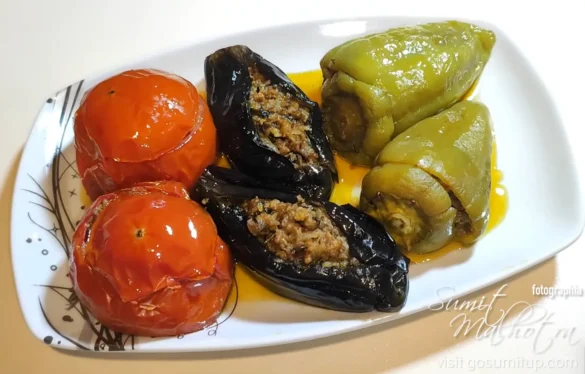
Read about Azerbaijani cuisine, Uc Baci dolma, Azerbaijani food history, culinary myths, three sisters dolma history, and Baku traditional food
Learn about Azerbaijani cuisine, Uc Baci Dolma, food myths, culinary history, traditional Azerbaijani food, Azerbaijan culture, dolma history, food history debunked, Baku gastronomy, stuffed eggplant tomato pepper, New World crops, Silk Road food history, Caucasian cuisine, Soviet culinary history, Middle Eastern food history
Azerbaijani cuisine is an intricate tapestry woven from geography, nomadic heritage, Silk Road commerce, and imperial overlaps.
Yet, as with any ancient culture, the lines between genuine culinary history and romanticised folklore often blur.
One of the most prominent, enduring, and fiercely defended myths in Azerbaijan’s gastronomic landscape surrounds Üç Bacı Dolma (The “Three Sisters” Stuffed Vegetables).
Walk into almost any traditional restaurant in Baku, browse through glossy tourism brochures, or chat with local guides, and you will likely hear a captivating tale.
You will be told that this vibrant dish of stuffed eggplant, tomato, and bell pepper is a sacred culinary relic.
The narrative claims it dates back to ancient, pre-Islamic matriarchal societies, or that it represents a literal tribute to three protective sisters from Turkic mythology who sacrificed themselves to save their village from famine.
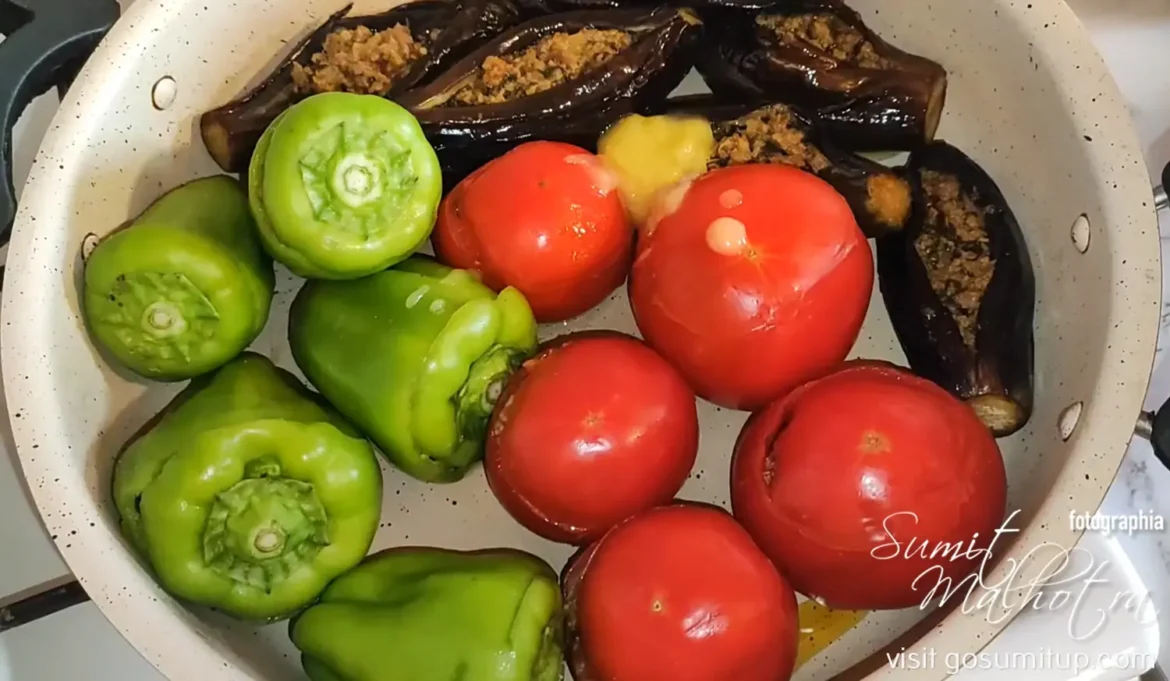
Eggplants, Capsicums & Tomatoes Stuffed with Meat Filling Wilted
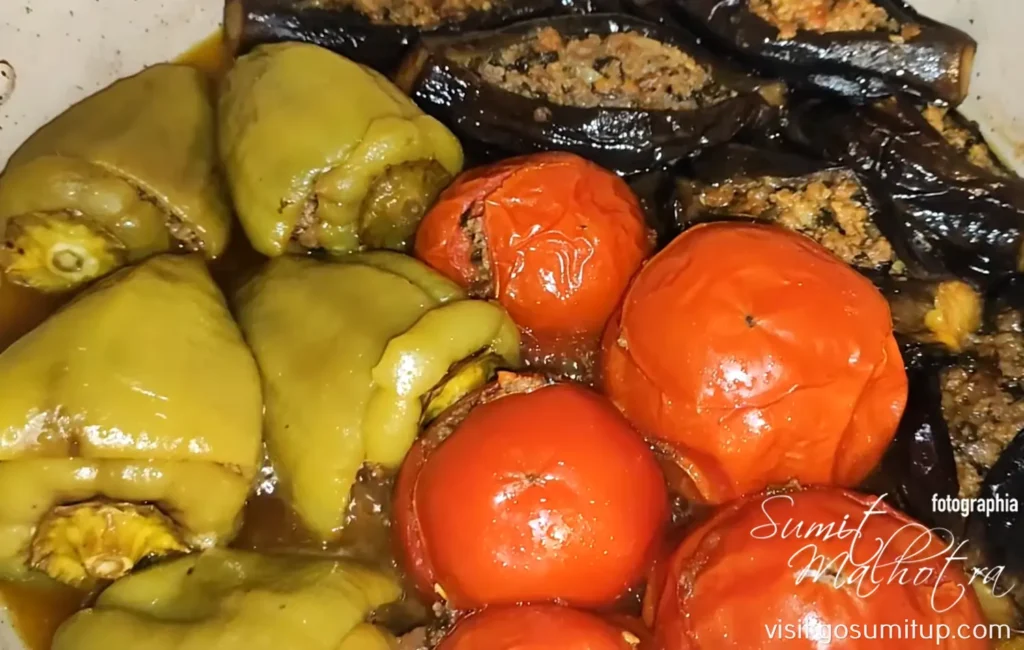
It is a beautiful, evocative story that infuses an evening meal with a sense of cosmic history.
It is also, from a historical and botanical standpoint, utterly impossible.
The true story of Üç Bacı is not one of ancient pagan rituals, but rather a fascinating chronicle of global trade, agricultural adaptation, and a mid-20th-century linguistic phenomenon that permanently altered the identity of Azerbaijani comfort food.
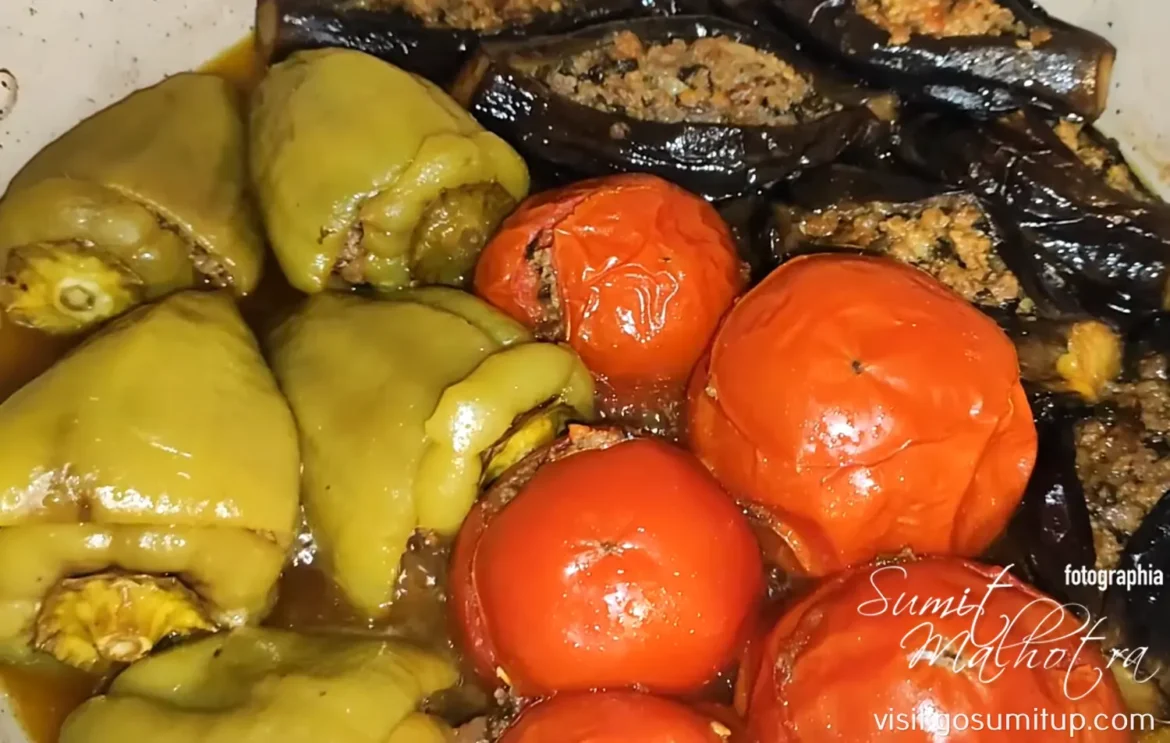
Eggplants, Capsicums & Tomatoes Stuffed with Meat Filling for Üç Bacı | Uc Baci Dolma
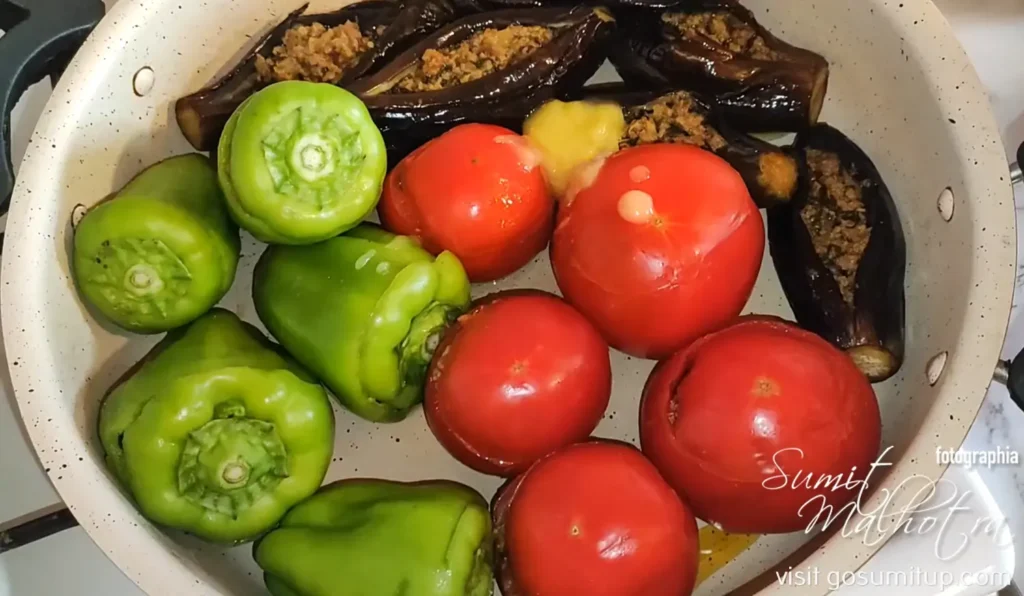
The Anatomy of the Myth: The "Three Sisters" in Folklore
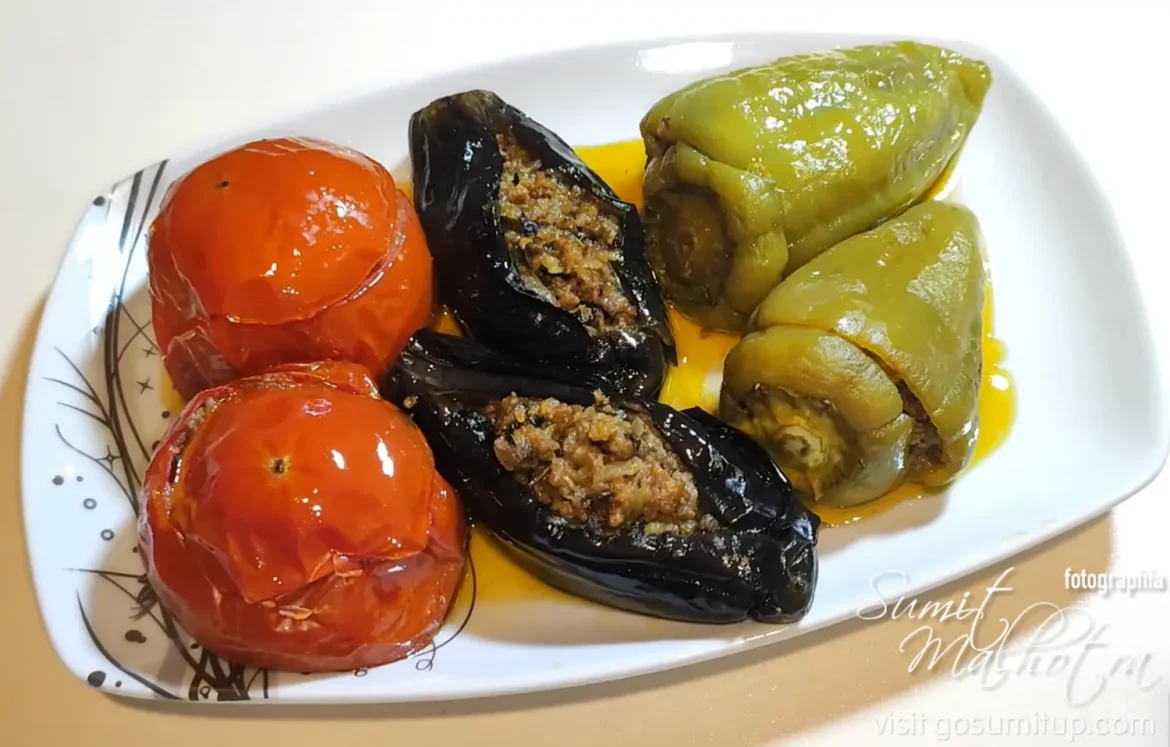
The dish consists of three distinct summer vegetables.
To understand why this myth is so potent, one must look at how it is framed within Azerbaijani cultural consciousness.
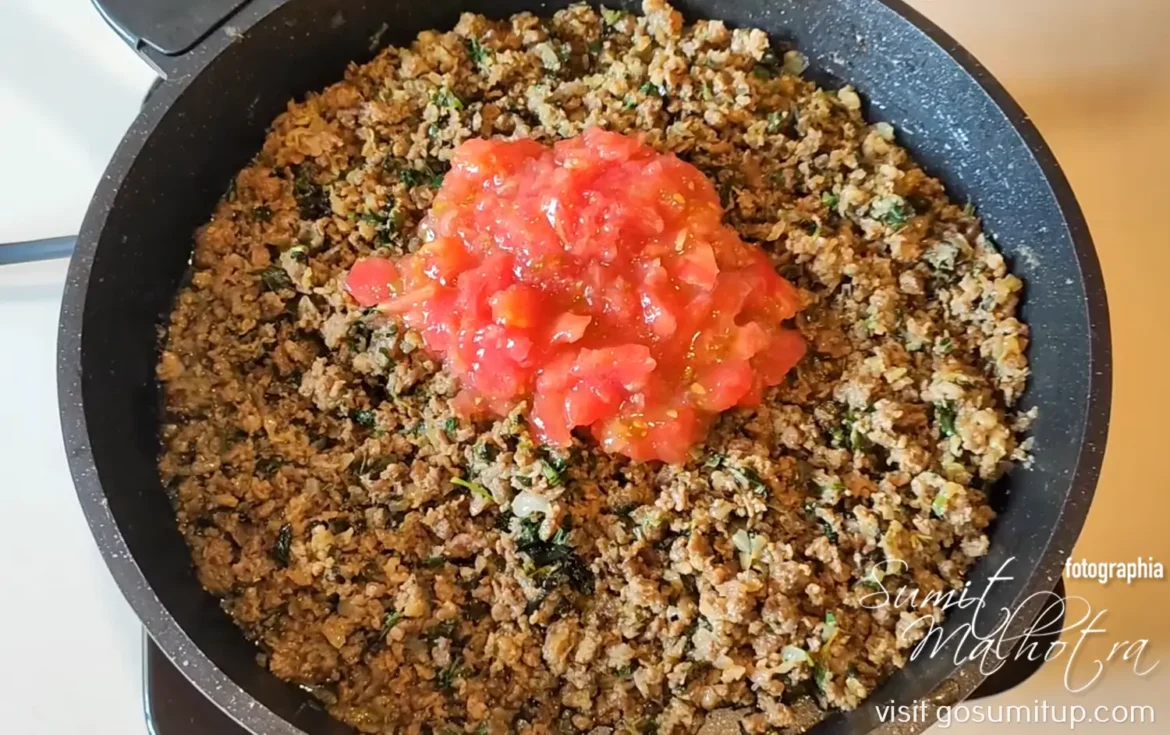
The dish consists of three distinct summer vegetables—a dark, glossy purple eggplant (badımcan), a bright crimson tomato (pomidor), and a deep green or yellow bell pepper (bibər)—hollowed out, stuffed with a rich mixture of minced lamb, tail fat (quyruq), rice, and fresh aromatics, and simmered tightly together in a single pot.
The mythological explanation for this trio operates on three distinct tiers:
1. The Matriarchal Triad
Some cultural commentators attempt to link the dish to ancient proto-Turkic or Caucasian Albanian belief systems, where the number three held divine significance.
In these narratives, the three vegetables represent the three stages of womanhood, or a matriarchal trinity of the Earth Mother, the Goddess of Fertility (often vaguely linked to Umay, the ancient Turkic goddess), and the Spirit of the Hearth.
2. The Tale of Self-Sacrifice
A more localised folktale tells of three inseparable sisters living in the fertile lands of Karabakh or Ganja.
During a brutal enemy siege or a devastating drought, the village ran completely out of food.
To save their people, the sisters prayed to the heavens to be transformed into sustenance.
The eldest, stoic and resilient, became the hardy eggplant; the middle sister, warm and full of life, became the juicy tomato; and the youngest, vibrant and sharp-witted, became the bell pepper.
Together, they provided a complete, nourishing meal that saved the village.
3. The Harmonised Elements
Another popular romanticism claims the dish is an ancient edible metaphor for the harmony of nature: the eggplant represents the deep, mysterious soil (Earth); the tomato represents the life-giving warmth of the sun (Fire); and the pepper represents the crisp mountain breezes (Air).
Because the dish feels timeless, and because its components match the traditional colours and aesthetics of Azerbaijani rugs and folklore, these stories have been accepted as historical fact by generations of diners.
Eggplants Being Fried Üç Bacı | Uc Baci Dolma
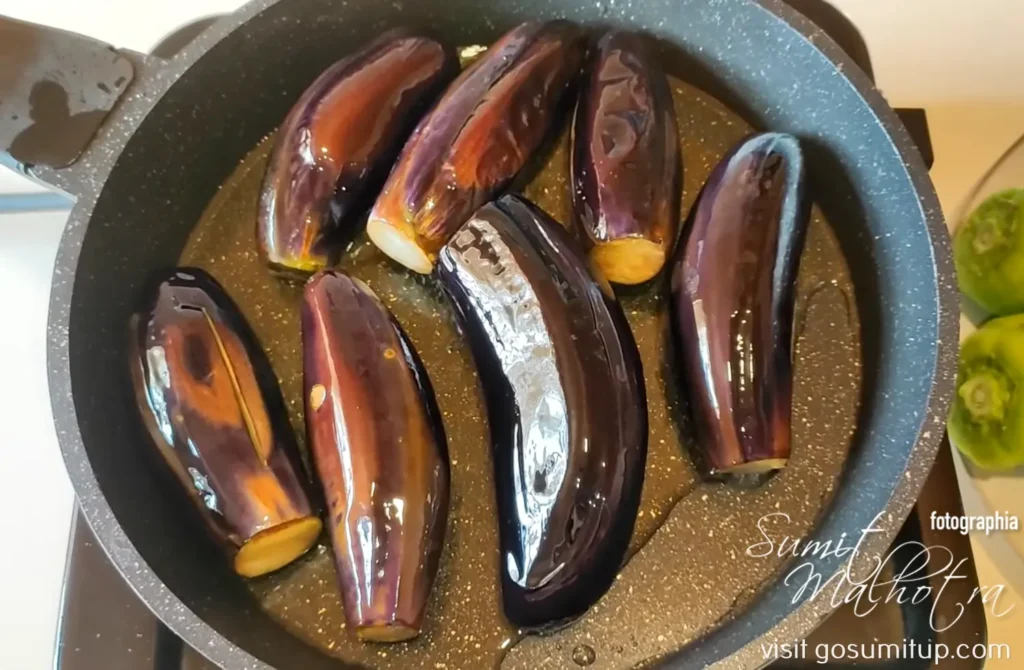
The Botanical Debunk: The New World Infiltration
The primary reason the ancient narrative of Üç Bacı completely collapses under historical scrutiny is simple botany.
For a dish to be ancient, its foundational ingredients must have actually existed in the region during antiquity.
Two out of the three “sisters” are completely missing from the historical record of the Old World before the Columbian Exchange.
|
Vegetable |
Botanical Origin |
Arrival in the Caucasus / Middle East |
Widespread Agricultural Cultivation |
|
Eggplant (Badımcan) |
India / Southeast Asia |
Approx. 7th–9th Century CE (via Arab trade) |
Ancient / Medieval Silk Road Era |
|
Tomato (Pomidor) |
Mesoamerica (Andes/Mexico) |
Late 17th to 18th Century CE |
Mid-to-Late 19th Century |
|
Bell Pepper (Bibər) |
Central & South America |
16th Century (to Europe); 17th Century (to Caucasus) |
19th Century |
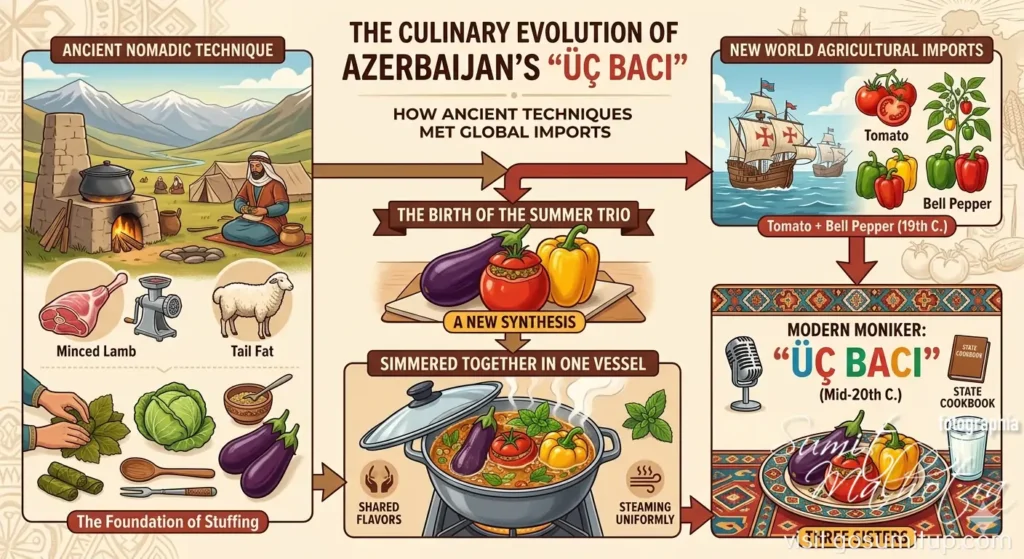
The Culinary Evolution of Azerbaijani Uc Baci
The Lone Sister: The Eggplant’s Solitary Journey
Of the three vegetables, only the eggplant has a genuinely ancient pedigree in the broader region.
Native to India and Southeast Asia, it travelled along early trade routes and was firmly established in the cuisine of the Islamic Golden Age by the 9th century.
However, for most of medieval Azerbaijani history, the eggplant was not stuffed in this manner; it was primarily stewed, fried, or mashed into dips like baba ghanoush variants or integrated into meat-heavy buğlama (steams).
The American Intruders: Tomatoes and Peppers
Tomatoes and bell peppers are indigenous to the Americas.
They were entirely unknown to the rest of the world until Christopher Columbus crossed the Atlantic in 1492.
When these nightshades first arrived in Europe and the Ottoman Empire via Spanish and Italian merchants in the 16th and 17th centuries, they were viewed with intense suspicion.
Because they belong to the Solanaceae (nightshade) family, many Europeans and Middle Easterners believed they were poisonous or aphrodisiacal tools of witchcraft.
Tomatoes did not become a staple of Azerbaijani agriculture until the 19th century, largely pushed forward during the Russian Imperial period and through increased trade with Qajar Iran, where the court elite had recently developed a taste for Western ingredients.
Therefore, the idea that an ancient Turkic tribe or a medieval Azerbaijani khan was simmering tomatoes and bell peppers together to honour local deities is chronologically impossible.
If Not Ancient, Where Did the Dish Come From?
The answer lies in a brilliant synthesis of ancient culinary techniques.
If Üç Bacı is not an ancient pagan dish, how did it become the undisputed king of the Azerbaijani summer table?
The answer lies in a brilliant synthesis of ancient culinary techniques applied to new, revolutionary agricultural products.
The Evolution of Dolma
The linguistic root of the dish gives away its true origin.
The word dolma comes from the Turkic verb doldurmaq, which simply means “to stuff” or “to fill.”
For over a millennium, Turkic peoples and their neighbours stuffed whatever vessels were available to them.
In the spring and winter, they used preserved or fresh grape leaves (yarpaq dolması), cabbage (kələm dolması), or quince leaves.
When tomatoes and bell peppers finally flooded the markets of Baku, Ganja, and Shaki in the 1800s, Azerbaijani home cooks did what they have always done best: they adapted.
They realised that these new, hollow, or easily-hollowed vegetables were the perfect, naturally sweet vessels for their beloved ancestral stuffing mixture of minced lamb, quyruq (tail fat), onions, and green herbs.
The dish we know today was born in the 19th century as a seasonal celebration of summer abundance. It was a modern, innovative fusion dish of its time.
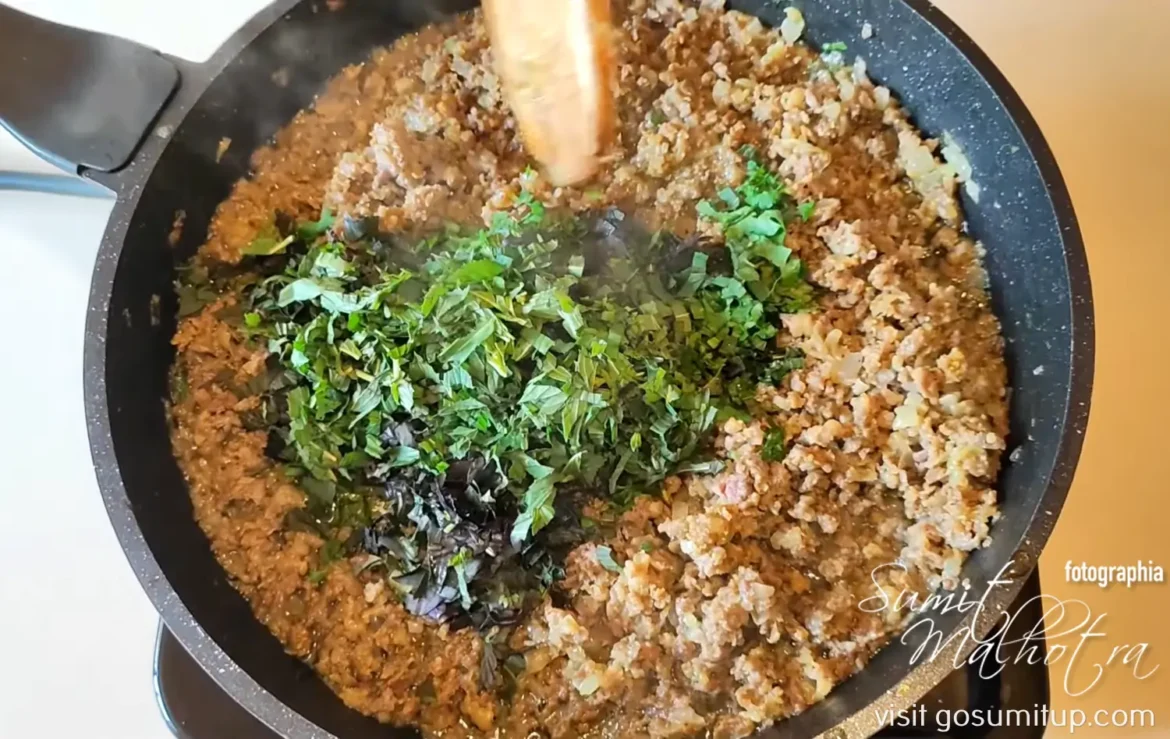
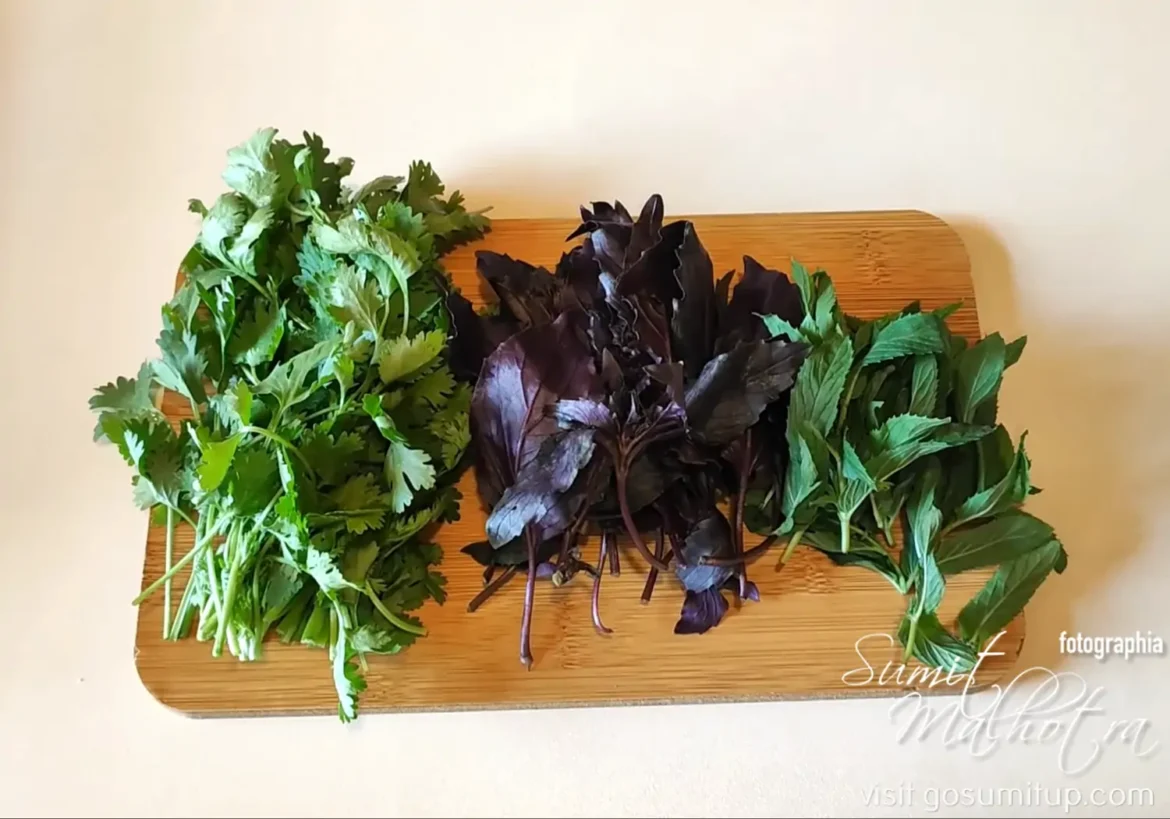
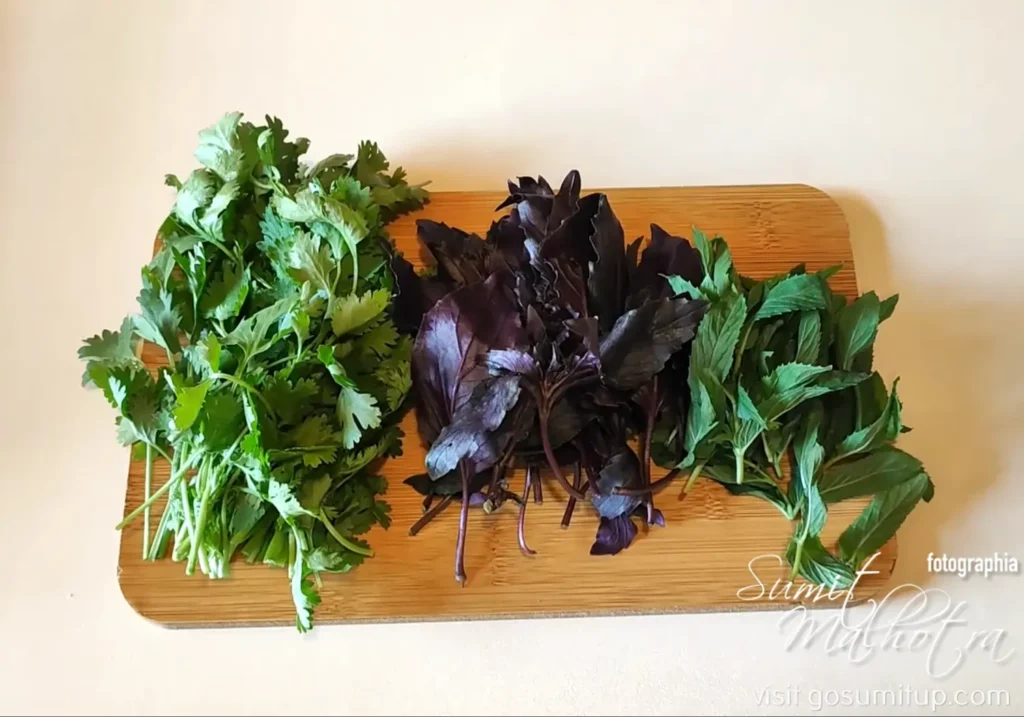
Herbs for the Meat Filing (Reyhan or Purple Basil), Cilantro, and Mint)
The Birth of a Nickname: The 20th-Century Soviet Influence
During the 1950s and 1960s, there was a concerted effort across the Soviet republics to institutionalize, standardize, and romanticize regional cuisines.
If the dish was invented or popularised in the 19th century, where did the name “Three Sisters” (Üç Bacı) come from?
Historically, Azerbaijani culinary nomenclature is highly literal. Grape leaf dolma is yarpaq dolması; cabbage dolma is kələm dolması.
For decades, this summer trio was simply listed on menus and in household notebooks by their literal names: badımcan, pomidor və bibər dolması (stuffed eggplant, tomato, and pepper).
The catchy, poetic moniker Üç Bacı is actually a mid-20th-century linguistic phenomenon, heavily accelerated during the Soviet era.
During the 1950s and 1960s, there was a concerted effort across the Soviet republics to institutionalise, standardise, and romanticise regional cuisines for state-sanctioned cookbooks (such as the famous Soviet culinary bible, The Book of Tasty and Healthy Food).
Culinary historians and state chefs looked for ways to make regional dishes sound more evocative, patriotic, and culturally distinct.
The term “Three Sisters” caught on colloquially because of the unique, symbiotic way the dish must be cooked:
Symbiotic Cooking: You cannot easily cook a single stuffed tomato or a single eggplant by itself; they will collapse or dry out.
To make the dish correctly, the three vegetables must be packed incredibly tightly together in a heavy-bottomed pot or Kazan.
Juice Exchange: As they simmer, the tomato releases highly acidic juices that tenderise the meat and cut through the bitterness of the eggplant.
The bell pepper releases sweet, aromatic oils that perfume the entire pot.
The Inseparable Trio: Because they rely entirely on one another in the pot to balance their flavours and maintain their structural integrity, home cooks began calling them “sisters.”
The name was a domestic joke and a term of endearment that eventually solidified into an official culinary title.
The Real Culinary Brilliance: Flavor Chemistry Over Mythology
The dish is a masterclass in flavor chemistry and culinary architecture.
Stripping away the myth of ancient matriarchs does not diminish Üç Bacı; if anything, it elevates it.
The dish is a masterclass in flavour chemistry and culinary architecture, developed through generations of empirical trial and error by Azerbaijani home cooks.
The Flavor Matrix of Üç Bacı:
The Fat Element: Traditional Azerbaijani stuffing relies heavily on quyruq (fat from the fat-tailed sheep).
While incredibly flavorful, it can easily overwhelm a dish and feel excessively heavy on the palate.
The Acid Countermeasure: The tomato acts as a natural chemical balancer.
Its high citric and malic acid content actively breaks down the perception of heavy fats, refreshing the palate with every bite.
The Earth and Sweetness: The eggplant provides an earthy, velvety texture that absorbs the lamb juices like a sponge, while the bell pepper introduces a crisp, volatile sweetness and a sharp aroma that cuts through the gaminess of the meat.
Furthermore, the addition of fresh reyhan (purple basil), cilantro, and mint creates a distinct micro-climate inside the covered pot.
The vegetables do not just boil; they steam in a rich, herbal, meat-infused broth of their own making.
To Sumit up Culinary Insight
It feels satisfying to look at a plate of food and believe we are participating in a ritual.
The myth of the ancient origins of Üç Bacı persists because human beings prefer a poetic story over a botanical timeline.
It feels satisfying to look at a plate of food and believe we are participating in a ritual that has remained unchanged since the dawn of time.
But the true history of the “Three Sisters” is far more reflective of Azerbaijan’s real identity.
Azerbaijan is a land of geopolitical crossroads.
It is a place that took a lone Asian sister (the eggplant), welcomed two foreign travellers from across the Atlantic Ocean (the tomato and the pepper), wrapped them in an ancient nomadic culinary technique, and let them simmer together until they became an inseparable family.
Üç Bacı is not a monument to an isolated, ancient past; it is a delicious, tri-colored monument to globalisation, culinary ingenuity, and the universal truth that the best things in life are born when different worlds collide in the same pot.
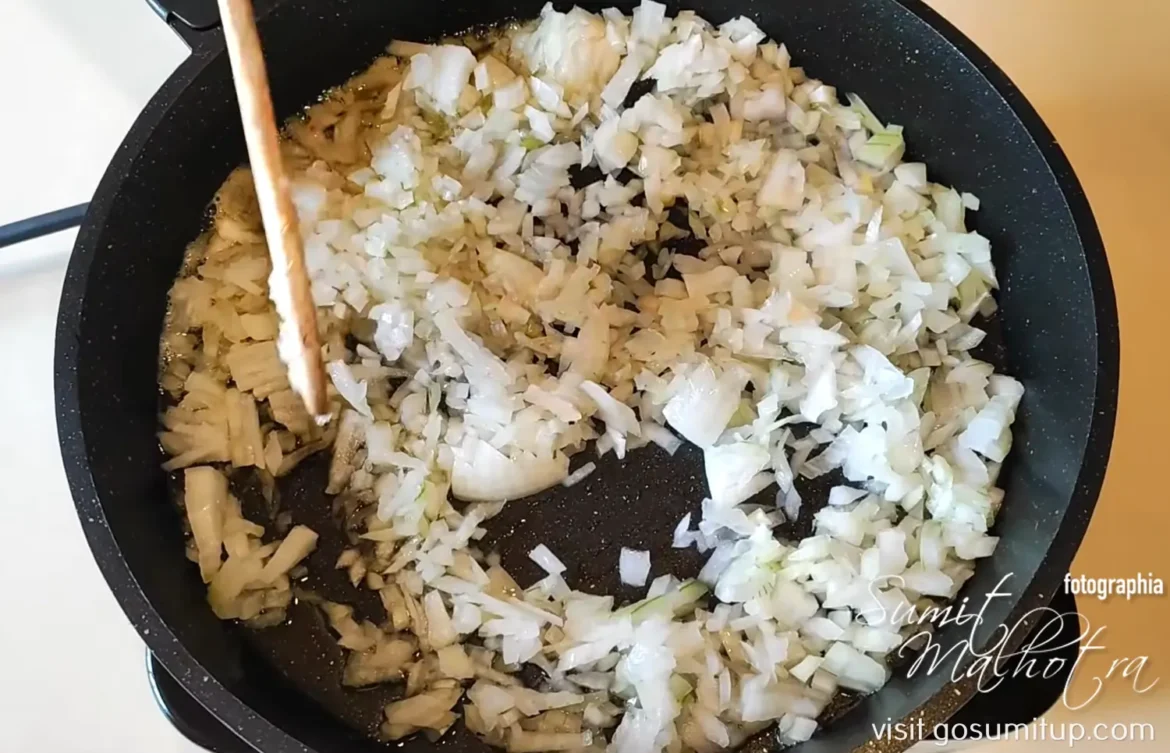
Making of Uc Baci Dolma (Part 1)
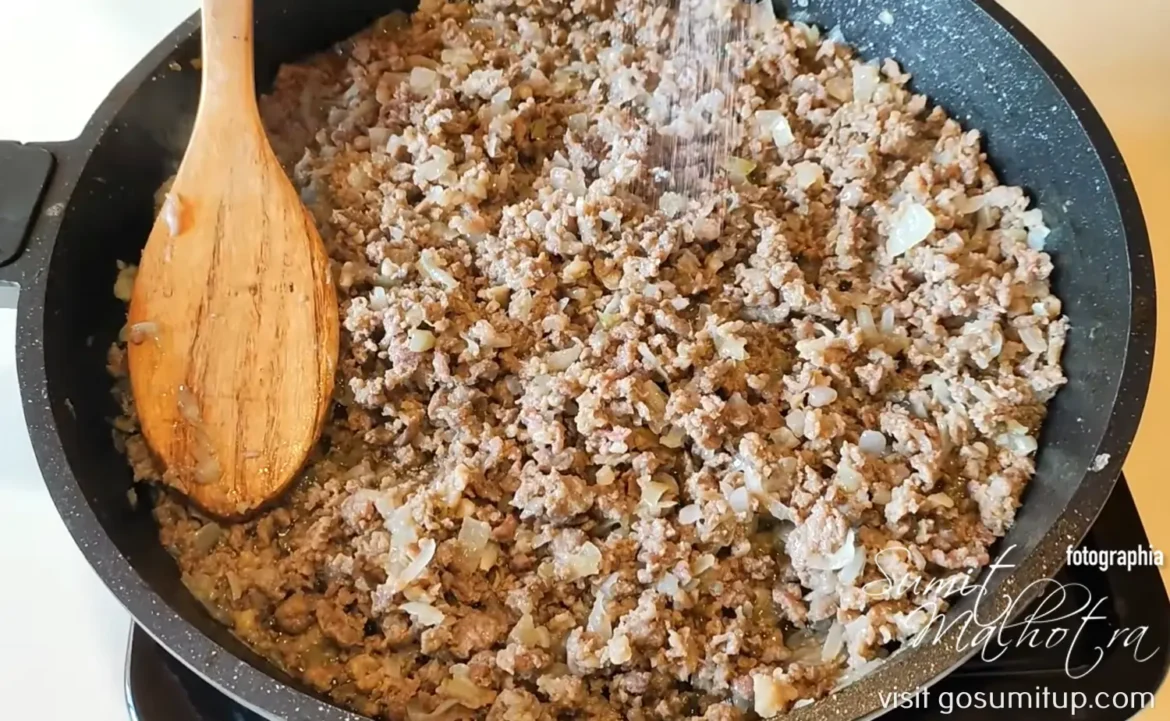
Making of Uc Baci Dolma (Part2)
If you are a traveller and or just love to drive, you may find below a list of items that will fortify & thus enrich your travel experience.
I use many of these myself for my trips. They are modestly priced and quite important to keep handy.
- Travel Adapter – https://amzn.to/3A04EJp
- Action Camera – https://amzn.to/4eCSMfF
- Camera Mounts & Accessories – https://amzn.to/4eG4je2
- Dashcam – https://amzn.to/3U2j4Qc
- Neck Rest – https://amzn.to/3Y6ZP98
- Tyre Inflator – https://amzn.to/3U8HpDP
- Storage – https://amzn.to/3XVQFMI
- Car Laptop Charger – https://amzn.to/3XXMVdA
- Vacuum Cleaner Cordless – https://amzn.to/3Yo1hWd
- Air Mattress – https://amzn.to/4015Bvu
- Jack Ratchet Wrench – https://amzn.to/3YkxddO
- Cleaning Cloth Microfibre – https://amzn.to/3NIOFmt
- Rechargeable Solar LED Torch – https://amzn.to/3Yj4h5Y
- Electronics Accessories Organiser – https://amzn.to/3A04XUz
- Pocket Travel Data Transfer Tool – https://amzn.to/3zMTxnc
- Smart Tracker for Keys – https://amzn.to/3BTuIq0
- Camping Cookware Kit – https://amzn.to/3BIy0N3
- Sleeping Bag – https://amzn.to/3U7v2rP
GoSumItUp is a personal blog written and edited personally by me. All opinions expressed are my own, which are honest and have not been influenced by any means.
My reviews are dependent on the visits at the time, and revisits will be reviewed again as they may have a different experience or the same.
I am not a food critic nor do I consider myself as one; this platform allows me to write and review my own personal dining experiences, whether good or bad, delicious or not, all of which are honest and truthful opinions.
Suppose you disagree or agree with me at any point, or do not receive the same experiences as I have. In that case, I do not hold any responsibility as everyone will have their own experiences that they will encounter themselves.
I pay for all meals. However, if any meals or products have been sponsored or compensated or if I was a guest, it will be clearly disclosed at the end of each review.
All images on this blog are my own unless stated otherwise. If you wish to use any of my photography for any purposes, please do not use it without any written permission and give credit and/or link back to the website.
If you would like to send a product or any sponsors/endorsements, it may or may not be published and reviewed on the website.
If you wish to send any products or invitations for any media, press or collaborations, etc., consider if it is something related to the content of the website, and if you see fit, please visit the Contact page for contact details.
Thank You.
Thank you for visiting GoSumItUp! I hope you enjoy the reviews & recipes found at www.gosumitup.com.
This page consists of disclaimers regarding the recipe, its outcome, nutrition, and food handling safety decisions.
The recipes have been cooked and compiled by me for general information only and should not be used to diagnose or treat any medical condition/s.
This information is not intended to diagnose, treat, cure, or prevent any disease as well.
GoSumItUp.com has used all reasonable care in compiling the information but offers no warranty as to its accuracy or its use in any possible form.
Consult a doctor or other health care professional for diagnosis and treatment of any medical condition/s. For more details please refer to our disclosure policy.
If you like this article, you can let us know in the comments below or on social media using #gosumitup and tag @gosumitup on Facebook.
I am always happy to read your feedback, and if you liked the dish or if you made the dish. :)
Better still, take a picture and post it on Instagram and tag it as #gosumitup
Connect directly – You can also connect with me directly on my Instagram, Facebook or Pinterest.
And, keep visiting us for more of such awesomeness. Bookmark gosumitup.com into your web browser now or simply subscribe to our browser notifications.