Kangaroo Meat – Read and learn about Mastering Kangaroo Meat Cooking Techniques, Kangaroo Meat Nutrition vs Beef, Kangaroo Lean Protein Health Benefits, How to Cook Kangaroo Steak Reverse Sear, Sustainable Wild Harvest Kangaroo Australia,
Read & find more about why is kangaroo meat so lean, Kangaroo meat internal temperature guide, Conjugated Linoleic Acid in kangaroo meat, Is kangaroo meat eco-friendly and the best pairing for wild kangaroo steak
In an era globally obsessed with nutritional optimisation, clean eating, and sustainable sourcing, the culinary world is undergoing a dramatic shift away from industrialised, grain-fed livestock.
As chefs, athletes, and food scientists search for the ultimate mammalian protein, the spotlight has landed squarely on the Australian continent.
Australian Kangaroo Korma with Chickpeas
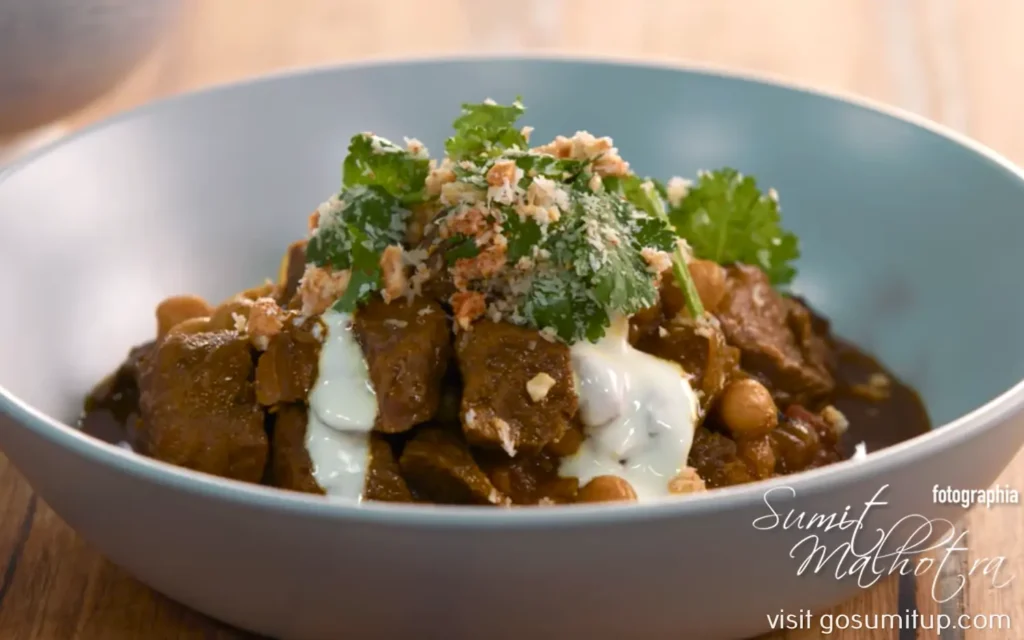
While the Western agricultural machine spent the last two centuries manipulating cattle genetics to maximise intramuscular fat, the ancient, untamed landscapes of Australia were quietly perfecting a biological masterpiece: the Kangaroo.
To early European settlers, kangaroo meat was a food of desperate last resort—dismissed as tough, gamey, and “unfit for a gentleman’s table.”
This cultural blind spot was born out of a profound misunderstanding of both high-velocity evolutionary biology and low-fat thermal dynamics.
In stark contrast, First Nations Australians have treated the kangaroo (Kangaroo or Yongka) as a premium source of warrior strength for over 60,000 years.
It is a meat that yields explosive physical energy without the metabolic drag of heavy, saturated mammalian fats.
Is kangaroo meat merely a rustic game substitute, or is it the most sophisticated, high-performance structural protein on the planet?
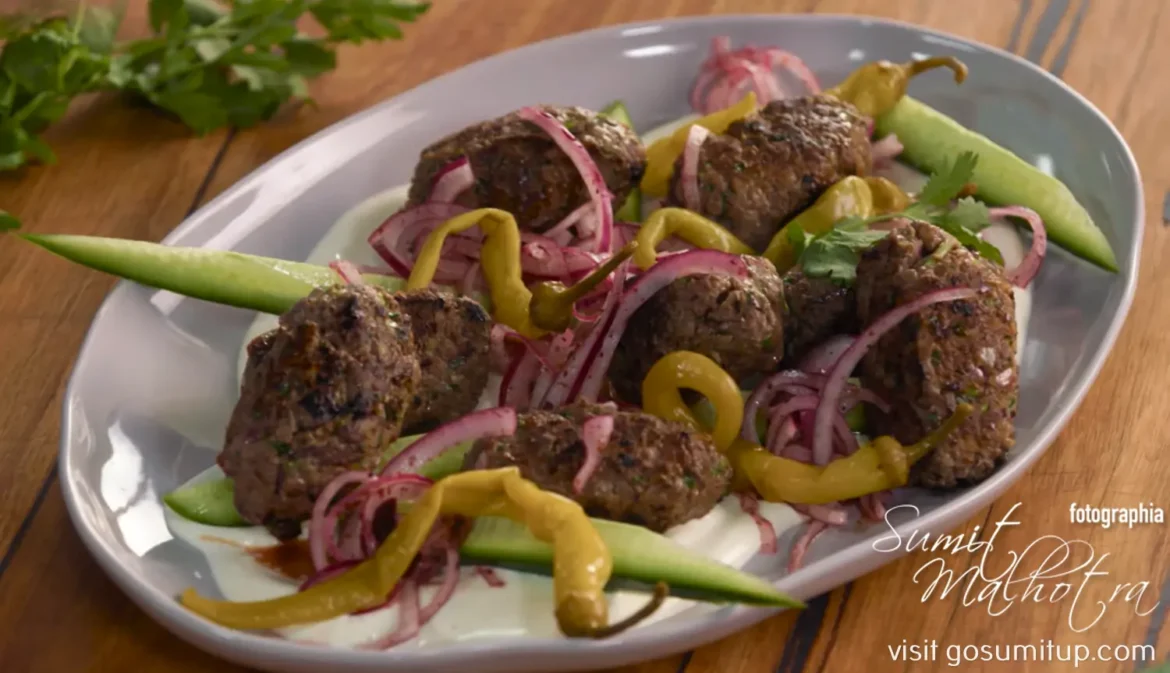
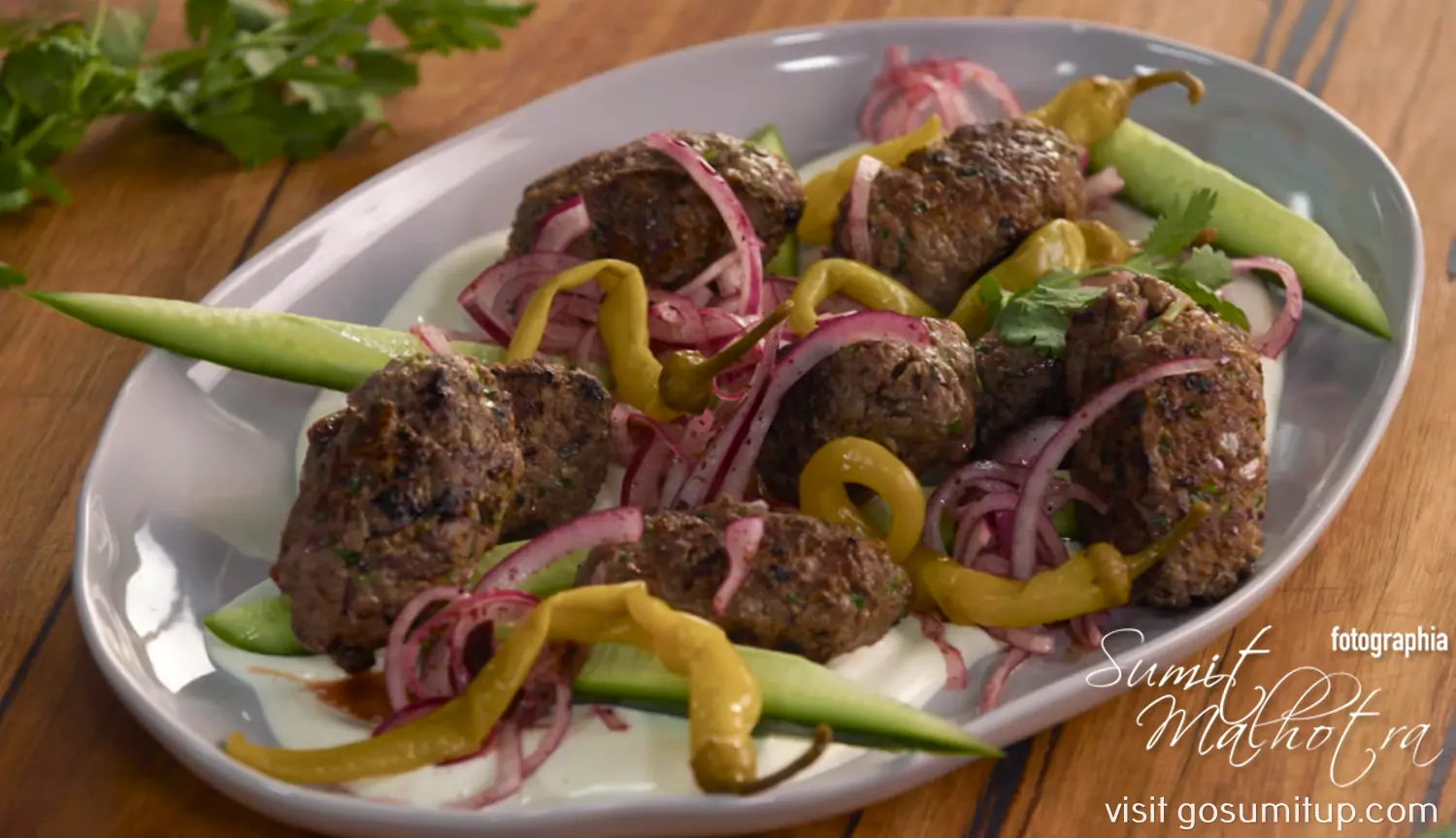
Kangaroo Meat Koftas Served
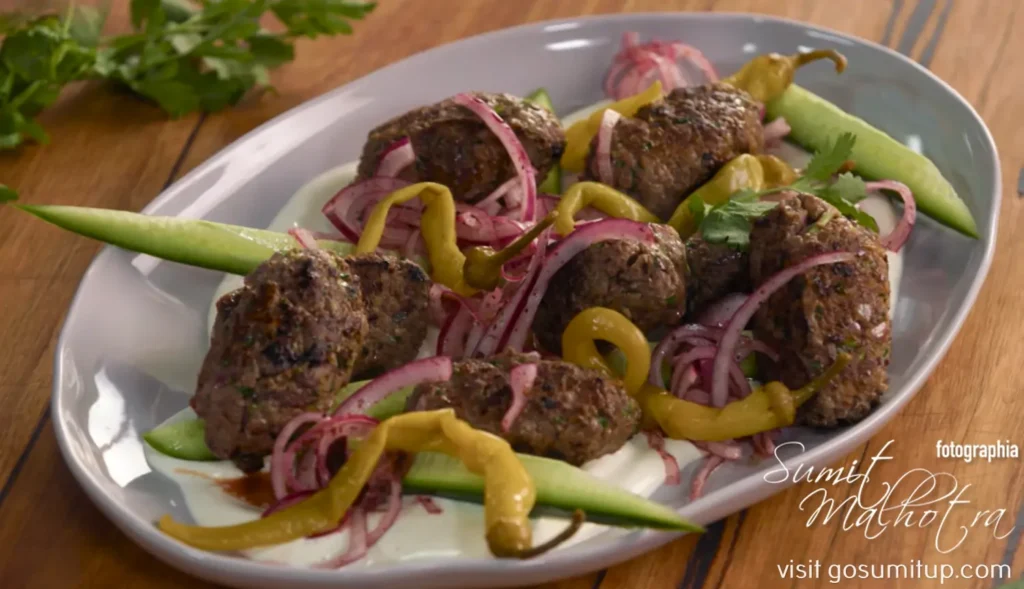
The Muscular Blueprint: The 2% Lipid Anomaly
The kangaroo is a high-velocity burst athlete.
To understand why kangaroo meat behaves completely differently from beef, pork, or lamb, one must look at the creature’s locomotive mechanics.
The kangaroo is a high-velocity burst athlete.
Its survival depends on hopping—an explosive, energy-efficient movement powered by massive tendons and highly specialised muscle groups acting as biological springs.
This intense physical lifestyle completely alters the meat’s lipid architecture:
The Saturated Fat Absence: While a prime cut of Wagyu beef can exceed 30% intramuscular fat (marbling), wild kangaroo meat consistently sits at less than 2% total fat.
It is practically a pure muscle isolate in its natural state.
The CLA Powerhouse: What little fat does exist within the muscle fibres is of extraordinary quality.
Kangaroo meat boasts the highest known natural concentration of Conjugated Linoleic Acid (CLA) of any red meat.
CLA is a specialised fatty acid known to accelerate fat loss, improve bone density, and act as a potent anti-carcinogenic agent.
Myoglobin and Iron Density: Because kangaroo muscles rely on rapid oxygen transport during high-speed leaps, the tissue is packed with myoglobin—the iron-binding protein responsible for delivering oxygen to muscle cells.
This gives raw kangaroo meat its signature deep burgundy, almost blackish-purple colour.
It contains more than double the iron content of beef and triple that of chicken, making it a highly bioavailable blood builder.
Australian Kangaroo Korma in a Pan
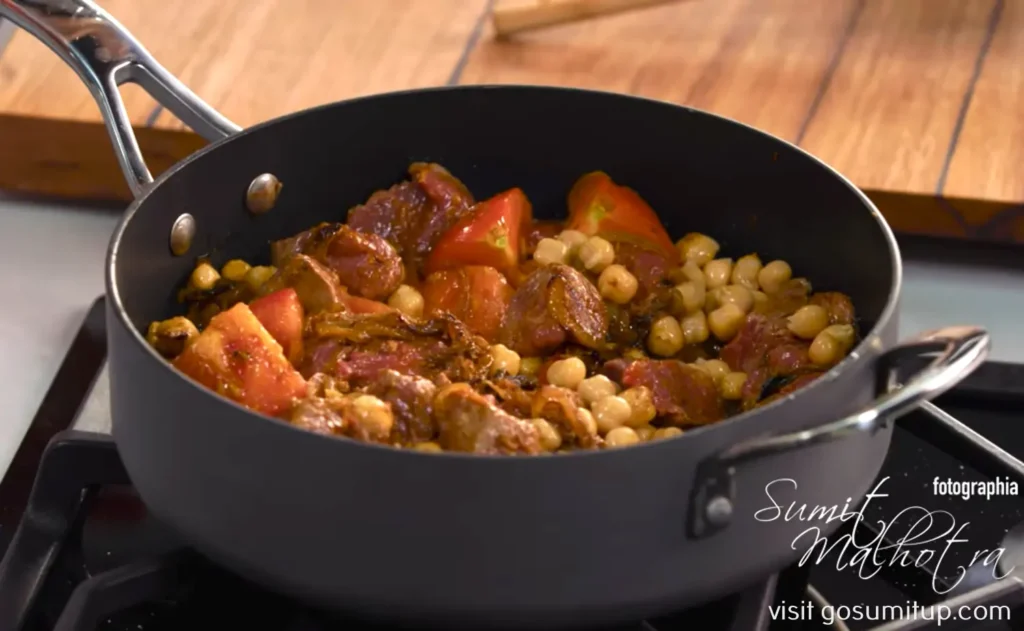
The Thermodynamics of Lean Protein: Overcoming the Rubbery Threshold
The proteins tightly coil and squeeze out every molecule of cellular water.
The most pervasive culinary myth surrounding kangaroo meat is that it is inherently tough and unpalatable, even in a Kangaroo meat steak.
This reputation is not a failure of the meat’s quality; it is a failure of domestic kitchen thermodynamics.
In conventional meat processing, fat acts as a thermal buffer.
When you cook a marbleized steak, the melting fat insulates the surrounding muscle fibres, absorbing excess heat and providing lubrication even if the meat is slightly overcooked.
Kangaroo meat possesses no such safety net.
[Conventional Beef Steak] —> Marbled Fat —> Insulates Fibers —> Forgiving Heat Window
[Kangaroo Striploin] —> Pure Muscle —> Rapid Conduction —> Instant Overcook Risk (55°C Limit)
The Cross-Linking Catastrophe: Without an insulating layer of fat, kangaroo muscle conducts heat with terrifying speed.
The moment the internal temperature of the meat crosses the 55°C (131°F) threshold, the highly dense myoglobin and actin proteins undergo rapid, violent denaturation and cross-linking.
The proteins tightly coil and squeeze out every molecule of cellular water, instantly transforming a tender cut into a dry, rubbery texture resembling shoe leather.
The Structural Solution: To master kangaroo meat, a chef must operate strictly within the Rare to Medium-Rare window.
The internal temperature must never exceed 54°C (129°F) before resting.
The Reverse Sear Protocol: The most scientifically sound method for preparing a kangaroo striploin is the reverse sear.
The meat is brought up to temperature incredibly slowly in a low-heat environment (around 90°C) to allow the natural enzymes (calpains) to gently soften the muscle fibres.
Once the core hits 48°C, it is transferred to an incredibly hot, dry cast-iron surface for an absolute maximum of 45 seconds per side.
This flashes the exterior to create a beautiful Maillard crust while keeping the internal protein chains relaxed and juicy.
Kangaroo Steak Sliced
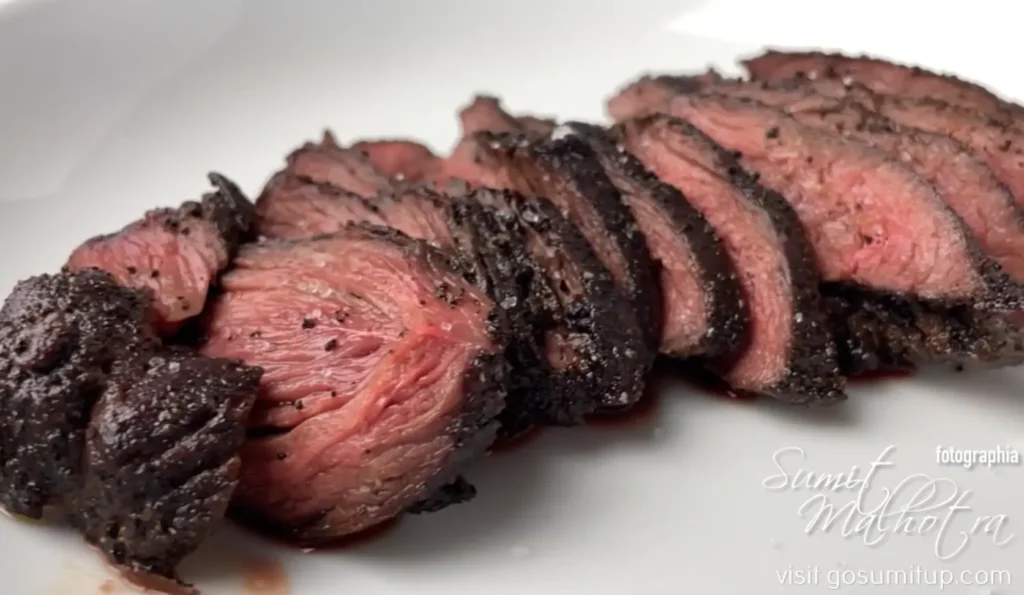
The Eco-Efficiency Model: The Soft-Foot Advantage
Kangaroos's digestive system uses a completely different microbial flora that produces virtually zero methane.
Beyond its radical nutritional profile, kangaroo meat is a case study in ecological engineering.
The introduction of hard-hooved livestock (cattle and sheep) has caused systemic degradation to the ancient, fragile topsoils of the Australian interior.
The kangaroo, however, is structurally designed to preserve its habitat.
The Methane Vacuum: Cattle and sheep are ruminants; their multi-chambered stomachs rely on methanogenic bacteria to break down cellulose, emitting vast quantities of methane gas into the atmosphere.
Kangaroos are macropods.
Their digestive system uses a completely different microbial flora that produces virtually zero methane, making their carbon footprint a fraction of that of traditional livestock.
Soft-Foot Aeration: Unlike the destructive, wedge-like hooves of cows that compact the earth and prevent water absorption, a kangaroo possesses large, soft, padded feet.
Its hopping gait acts as a natural aerator of the soil, gently pressing native seeds into the ground without crushing the delicate microbial crusts that are necessary for desert flora to thrive.
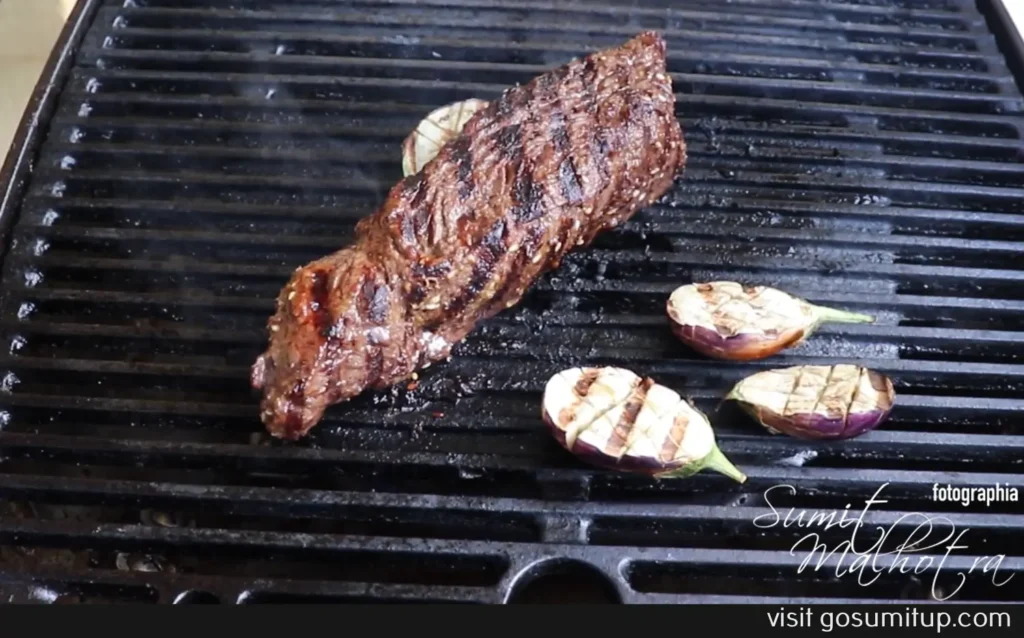
Kangaroo Meat Steak on the Grill with Eggplants
The Flavor Profile: Balancing the Terroir of the Bush
All kangaroo meat is harvested from entirely wild populations (there are no commercial kangaroo farms).
Because all kangaroo meat is harvested from entirely wild populations (there are no commercial kangaroo farms), the flavour is an authentic reflection of the Australian terroir.
A wild kangaroo consumes a diet of native grasses, saltbush, and eucalyptus leaves.
The Gamey Fallacy: True wild kangaroo meat is not “gamey” in the sense of spoiled or rotting meat; rather, it is deeply earthy, with distinct herbal undercurrents.
Acid Pairing: Because the meat is so lean and rich in iron, it pairs optimally with high-acid, fruit-forward components.
In contemporary Australian cuisine, it is traditionally paired with native fruits like the Davidson Plum or Quandong (native peach), along with a wild-berry reduction.
The sharp acidity of these fruits breaks down the richness of the myoglobin, balancing the palate perfectly.
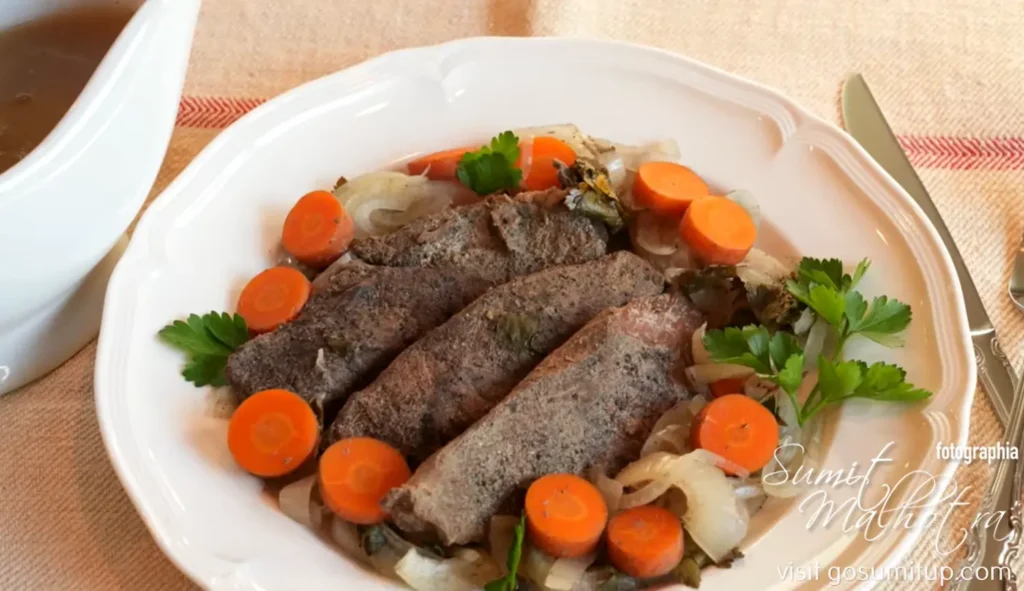
Kangroo Steak Served with Vegetables
Australia 2026: The Tech-Driven Wild Harvest
Modern portable fire pits now come with "Ash Temperature Sensors".
As we move through 2026, the wild kangaroo harvest has evolved into one of the most strictly regulated and high-tech food monitoring systems in the world.
AI-Enhanced Quota Management: Government agencies now utilise satellite imaging paired with predictive AI modelling to map wild macropod populations across millions of square kilometres.
This ensures that the annual harvest numbers are dynamically adjusted based on real-time rainfall data and vegetation density, preventing any risk of over-harvesting.
Cryo-Flash Preservation: To maintain the delicate cellular structure of the meat during global export to culinary capitals like Tokyo, London, and New York, premium processing facilities in 2026 utilise liquid nitrogen cryo-flash freezing.
By freezing the meat instantly at $-196°C$, water molecules within the cells are frozen without forming large, jagged ice crystals.
This eliminates “drip loss” upon thawing, ensuring that a kangaroo steak cooked in London retains the same juiciness as one prepared fresh in Adelaide.
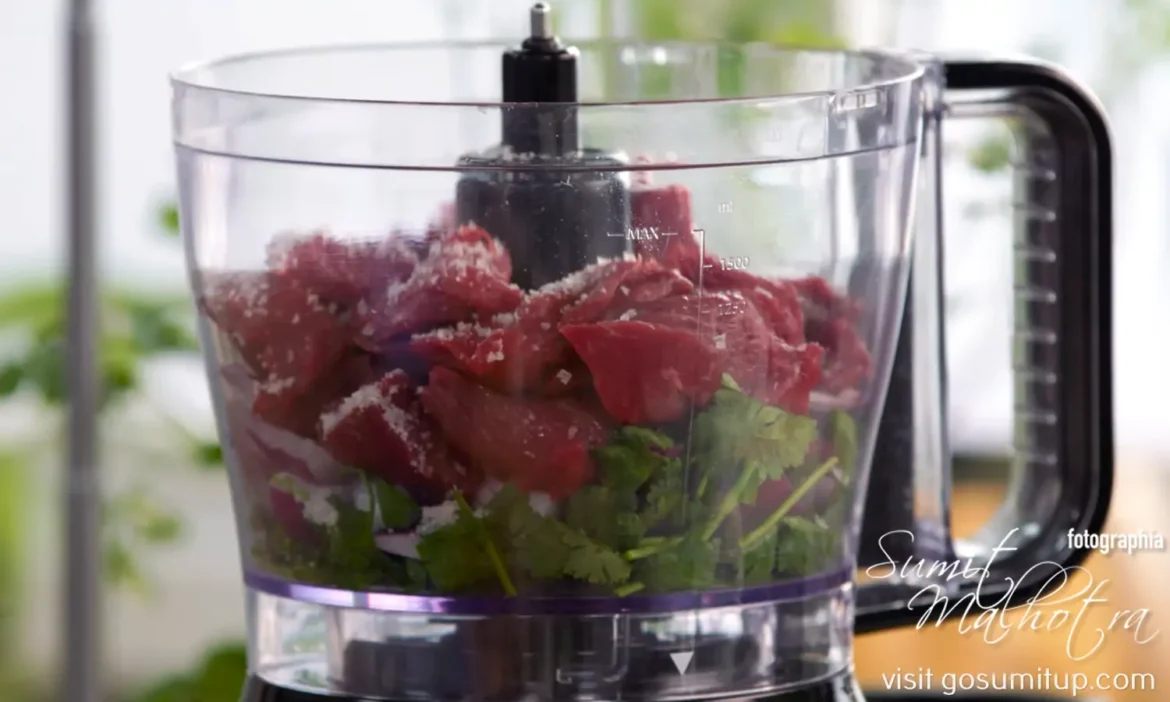
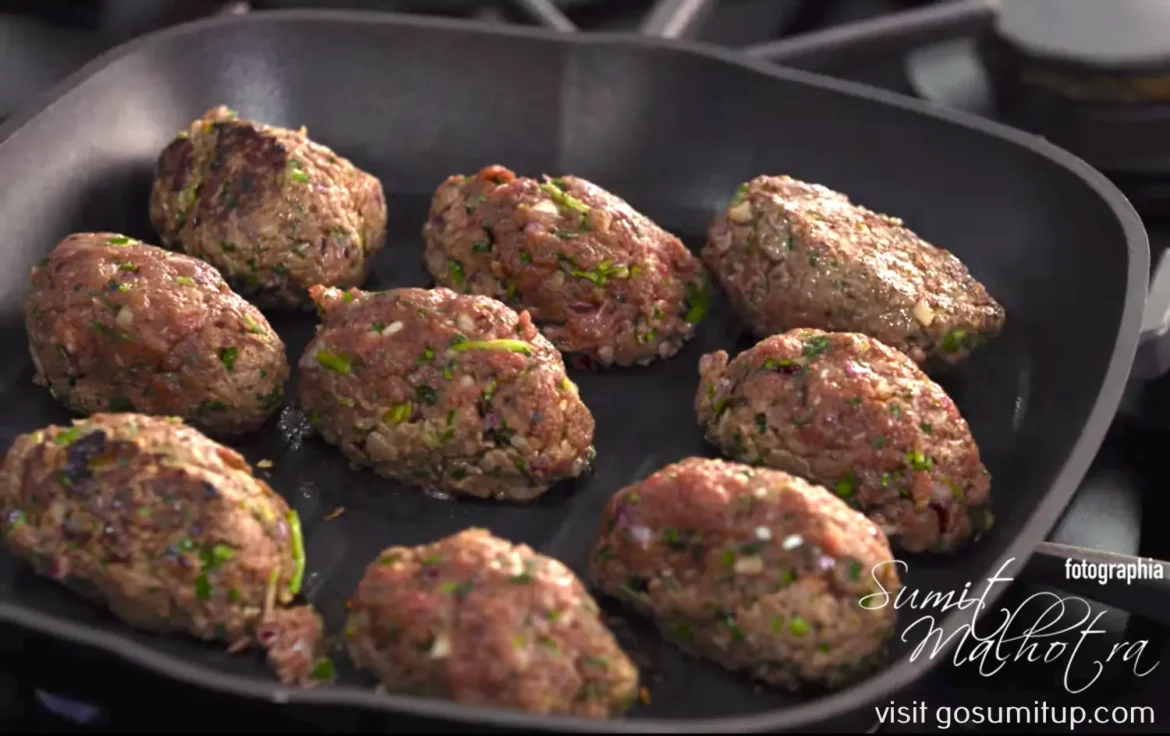
Making of the Kangaroo Meat Kofta
If you are a traveller and or just love to drive, you may find below a list of items that will fortify & thus enrich your travel experience.
I use many of these myself for my trips. They are modestly priced and quite important to keep handy.
- Travel Adapter – https://amzn.to/3A04EJp
- Action Camera – https://amzn.to/4eCSMfF
- Camera Mounts & Accessories – https://amzn.to/4eG4je2
- Dashcam – https://amzn.to/3U2j4Qc
- Neck Rest – https://amzn.to/3Y6ZP98
- Tyre Inflator – https://amzn.to/3U8HpDP
- Storage – https://amzn.to/3XVQFMI
- Car Laptop Charger – https://amzn.to/3XXMVdA
- Vacuum Cleaner Cordless – https://amzn.to/3Yo1hWd
- Air Mattress – https://amzn.to/4015Bvu
- Jack Ratchet Wrench – https://amzn.to/3YkxddO
- Cleaning Cloth Microfibre – https://amzn.to/3NIOFmt
- Rechargeable Solar LED Torch – https://amzn.to/3Yj4h5Y
- Electronics Accessories Organiser – https://amzn.to/3A04XUz
- Pocket Travel Data Transfer Tool – https://amzn.to/3zMTxnc
- Smart Tracker for Keys – https://amzn.to/3BTuIq0
- Camping Cookware Kit – https://amzn.to/3BIy0N3
- Sleeping Bag – https://amzn.to/3U7v2rP
GoSumItUp is a personal blog written and edited personally by me. All opinions expressed are my own, which are honest and have not been influenced by any means.
My reviews are dependent on the visits at the time, and revisits will be reviewed again as they may have a different experience or the same.
I am not a food critic nor do I consider myself as one; this platform allows me to write and review my own personal dining experiences, whether good or bad, delicious or not, all of which are honest and truthful opinions.
Suppose you disagree or agree with me at any point, or do not receive the same experiences as I have. In that case, I do not hold any responsibility as everyone will have their own experiences that they will encounter themselves.
I pay for all meals. However, if any meals or products have been sponsored or compensated or if I was a guest, it will be clearly disclosed at the end of each review.
All images on this blog are my own unless stated otherwise. If you wish to use any of my photography for any purposes, please do not use it without any written permission and give credit and/or link back to the website.
If you would like to send a product or any sponsors/endorsements, it may or may not be published and reviewed on the website.
If you wish to send any products or invitations for any media, press or collaborations, etc., consider if it is something related to the content of the website, and if you see fit, please visit the Contact page for contact details.
Thank You.
Thank you for visiting GoSumItUp! I hope you enjoy the reviews & recipes found at www.gosumitup.com.
This page consists of disclaimers regarding the recipe, its outcome, nutrition, and food handling safety decisions.
The recipes have been cooked and compiled by me for general information only and should not be used to diagnose or treat any medical condition/s.
This information is not intended to diagnose, treat, cure, or prevent any disease as well.
GoSumItUp.com has used all reasonable care in compiling the information but offers no warranty as to its accuracy or its use in any possible form.
Consult a doctor or other health care professional for diagnosis and treatment of any medical condition/s. For more details please refer to our disclosure policy.
If you like this article, you can let us know in the comments below or on social media using #gosumitup and tag @gosumitup on Facebook.
I am always happy to read your feedback, and if you liked the dish or if you made the dish. :)
Better still, take a picture and post it on Instagram and tag it as #gosumitup
Connect directly – You can also connect with me directly on my Instagram, Facebook or Pinterest.
And, keep visiting us for more of such awesomeness. Bookmark gosumitup.com into your web browser now or simply subscribe to our browser notifications.