Learn about the Dushbara Soup Science, Azerbaijani Thimble Test, Micro Dumplings Baku, Traditional Azerbaijani Cuisine, Broth Clarity Techniques, Starch Release Prevention, Surface Area Thermodynamics, Oxlov Dough Rolling, Azerbaijani Cuisine, Dushbara Soup, Thimble Test, Culinary Science, Baku Food History, Micro Dumplings, Kitchen Myths
Imagine stepping into a warm, aromatic kitchen in Baku, where a grandmother (Nene) sits at a wooden table with her granddaughters.
The air is thick with the scent of simmering lamb broth, fresh dill, and rolled dough. On the table sits a single, traditional wooden soup spoon and a thimble.
According to Azerbaijani folklore, this is the ultimate testing ground for a future bride.
The task? Roll out a sheet of dough so unimaginably thin, and cut it into squares so microscopic, that you can fit exactly 20 to 40 individual, lamb-filled dumplings into that single soup spoon.
If the dumplings are too large, the Nene will shake her head, declare the soup “clunky,” and playfully warn that no one will want to marry a chef with such heavy hands.
For generations, this “Thimble Test” has been romanticised as a rite of passage, a measure of patience, and a demonstration of delicate craftsmanship.
But beneath the charming family folklore lies a brilliant secret of ancient food science.
The Thimble Test isn’t just an old-school domestic challenge—it is a flawless piece of culinary engineering designed to manipulate texture, starch distribution, and flavour preservation.
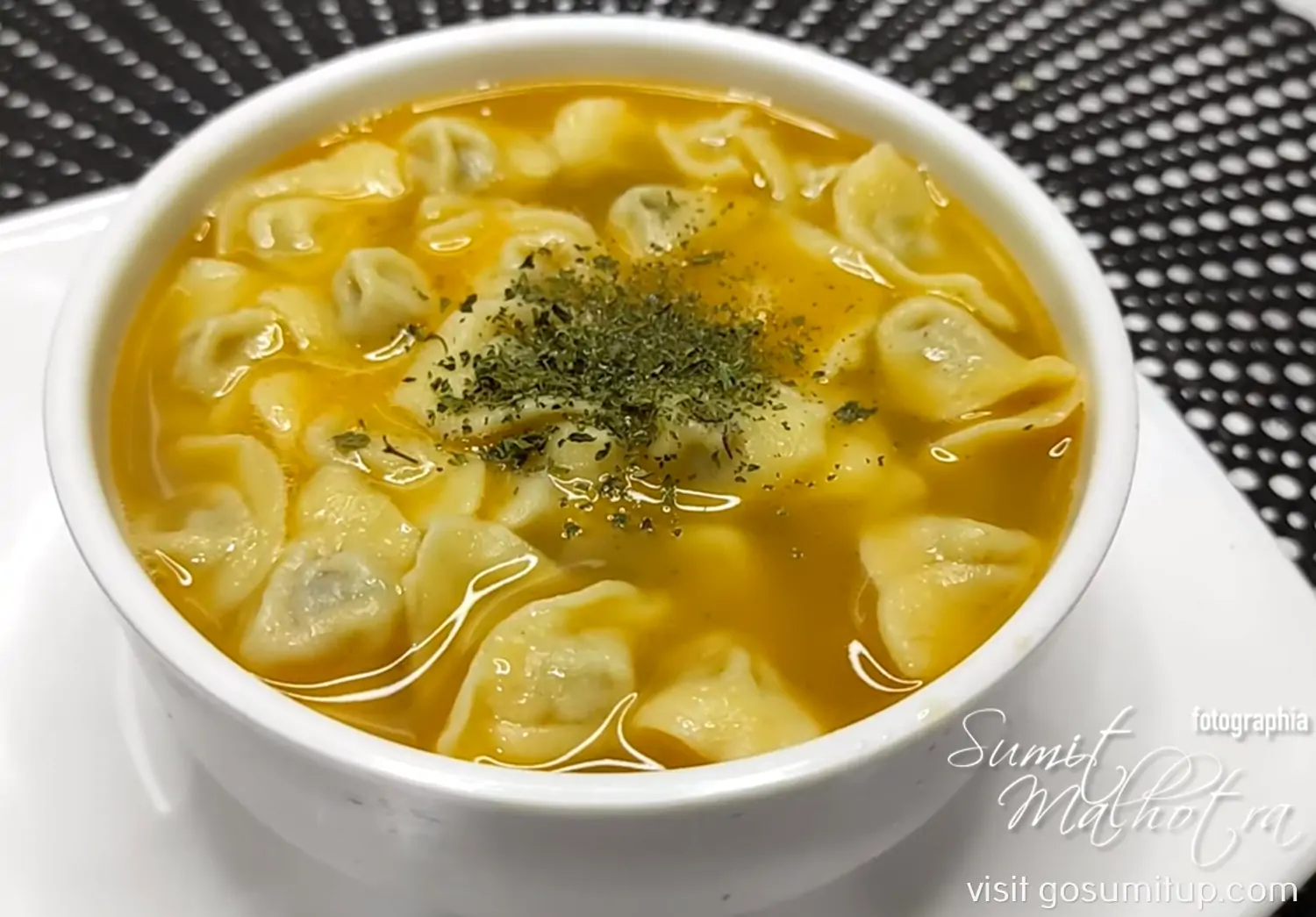
Dushbara Garnished with Mint is Served
At first glance, the Azerbaijani Thimble Test looks like an antiquated domestic hurdle designed to stress out home cooks.
But when you look closer, it is an elegant, centuries-old solution to a classic culinary problem.
By forcing the chef to minimise the physical dimensions of the dumpling, ancient Azerbaijani tradition naturally optimises the chemistry of the dish.
It ensures lightning-fast heat transfer, locks in the natural fats of the lamb, and protects the broth from starchy cloudiness.
The Thimble Test proves that in the world of heritage cooking, folklore is often just advanced science waiting to be tasted.
Dushbara - Azerbaijani Dumpling Soup
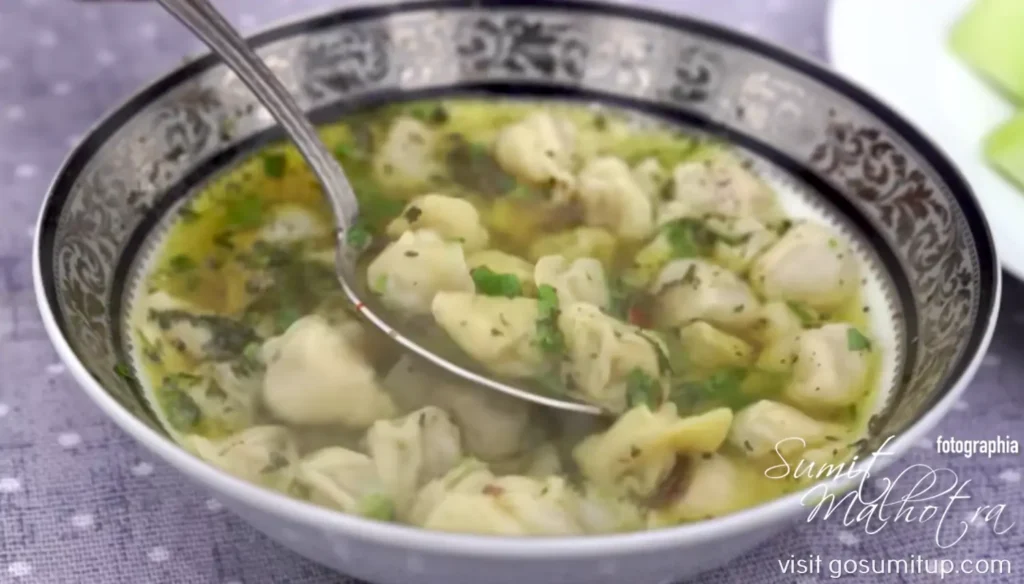
The True Legend Behind the Micro-Dumpling
For generations, this "Thimble Test" has been romanticized as a rite of passage, a measure of patience.
To understand the genius of Dushbara (or Düsbərə), you have to understand the dish itself.
Dushbara is a favorite and absolutely delicious popular Azerbaijani dish. This is meat filled dumplings cooked in a lamb broth. This dish is very time-consuming to make. It takes some practice to make the dumplings as small as possible, to fit ten of them in a tablespoon.
Unlike large, hearty dumplings meant to be eaten with a fork or knife, Dushbara is a delicate, comforting soup.
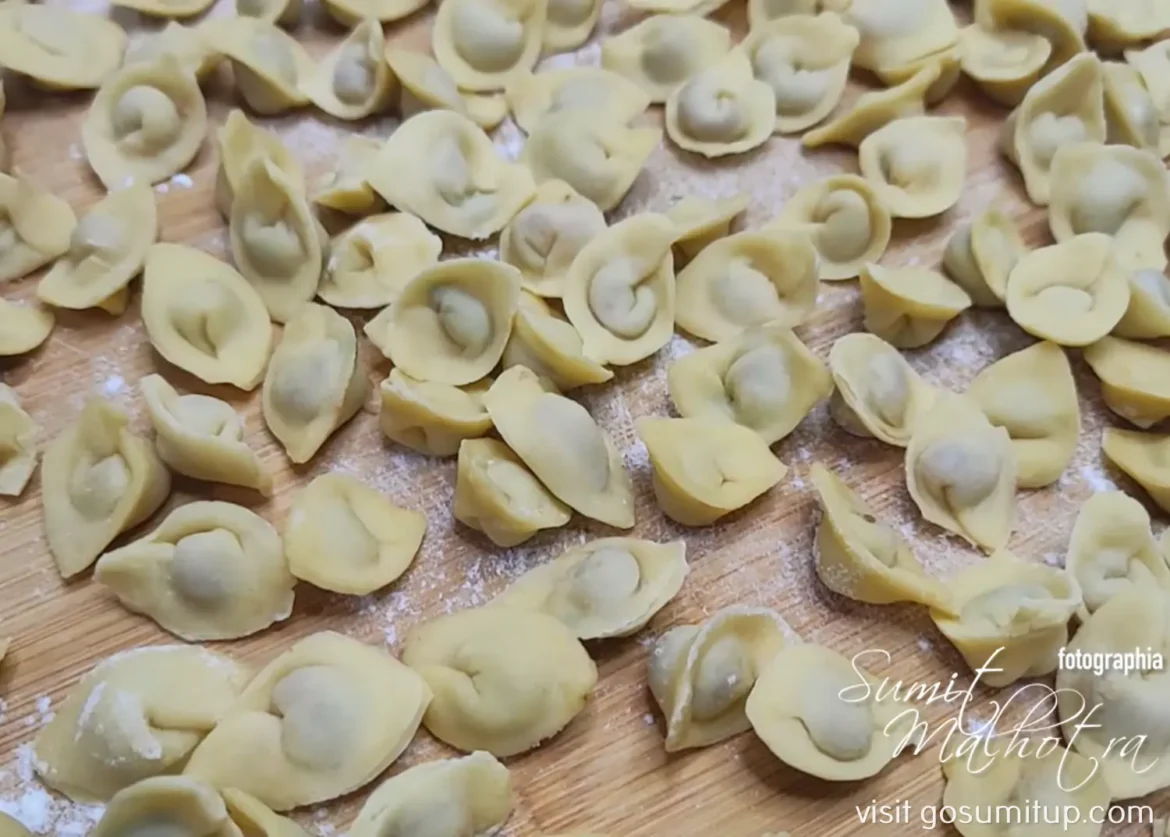
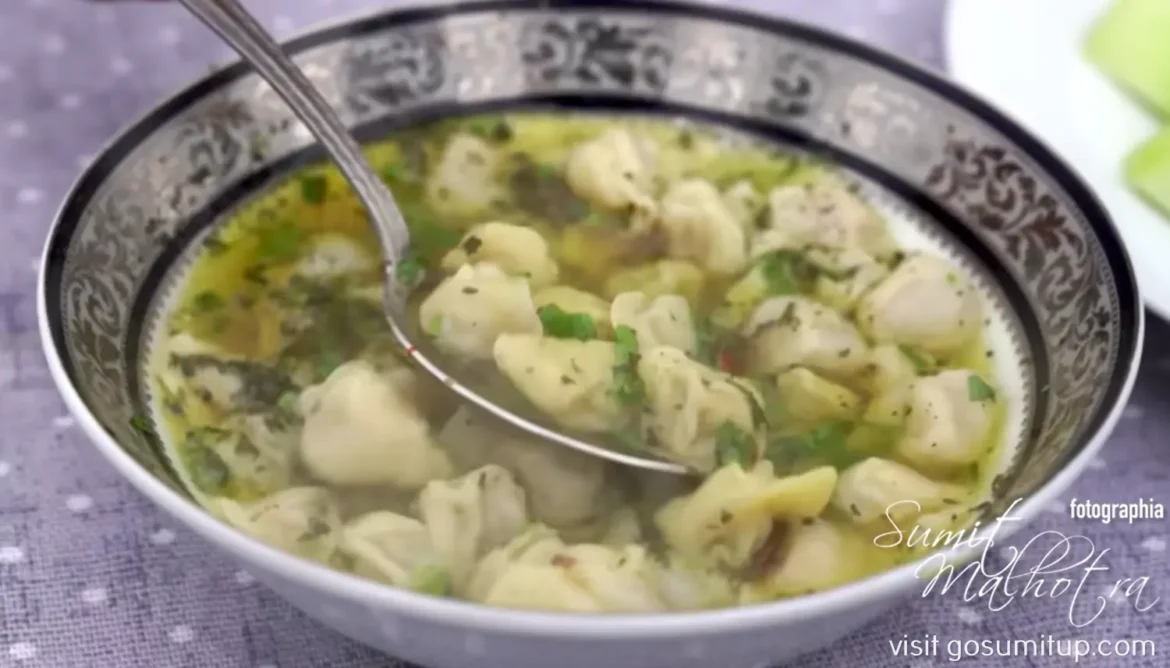
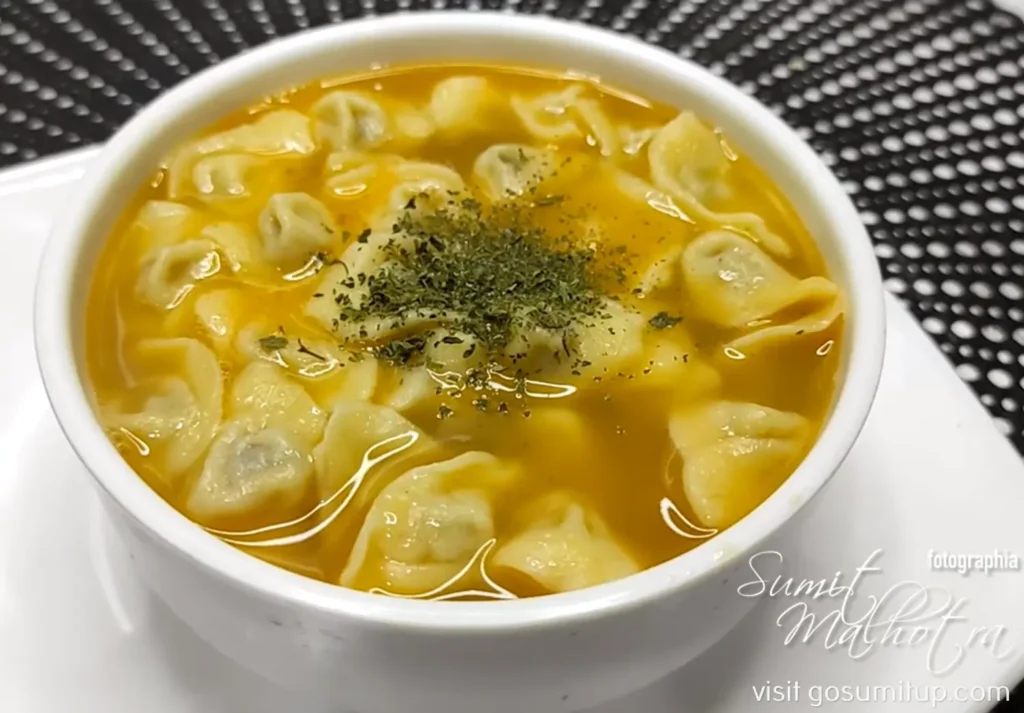
It consists of tiny, ear-shaped dough pockets stuffed with spiced minced lamb, submerged in a crystal-clear, golden lamb bone broth, and finished with a splash of garlic vinegar and dried mint.
The folklore states that the dumplings must be so small that they can easily pass through the opening of a tailor’s thimble before cooking.
While this makes for a beautiful story of artisanal perfection, the physical reality of the kitchen shows that this extreme miniaturisation serves a massive functional purpose.
Our ancestors didn’t have thermometers, chemical timers, or modern food laboratories.
Instead, they translated highly advanced principles of heat distribution, boiling dynamics, and starch release into easy-to-remember cultural traditions.
When a grandmother demands a micro-dumpling, she isn’t trying to make your life difficult—she is saving her soup from turning into a muddy, gluey mess.
Dushbara with Yoghurt - Azerbaijani Dumpling Soup
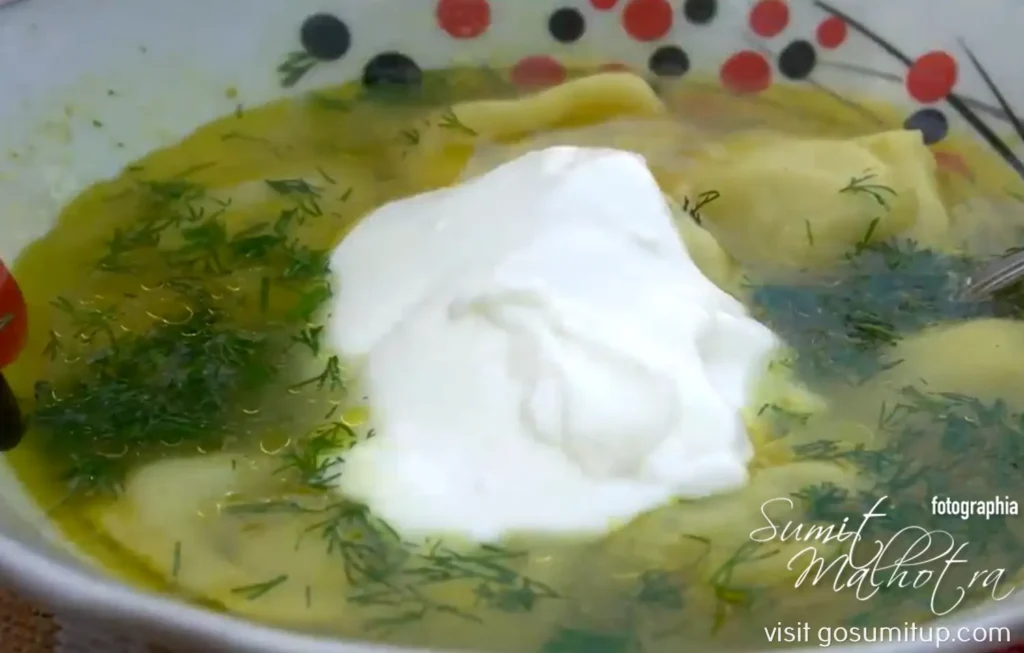
Breaking Down the Kitchen Magic
Why does the size of a Dushbara actually change the way the soup tastes?
When we strip away the kitchen myths, why does the size of a Dushbara actually change the way the soup tastes?
It comes down to three major pillars of everyday kitchen science: cooking speed, broth clarity, and the perfect bite.
1. The Lightning Cook (Beating the Boiling Water)
When you drop a large dumpling into boiling water, the heat has to travel a long distance from the outside of the dough all the way into the very centre of the meat filling.
Because dough is a terrible conductor of heat, the outer layer of skin ends up boiling and overcooking for several minutes while the raw meat inside slowly warms up.
This results in a soggy, waterlogged wrapper and a dense, dry meat core.
With Dushbara, the story is completely different.
Because the dough is rolled tissue-thin and the meat inside is no larger than a peppercorn, the heat doesn’t have far to travel—it arrives everywhere instantly.
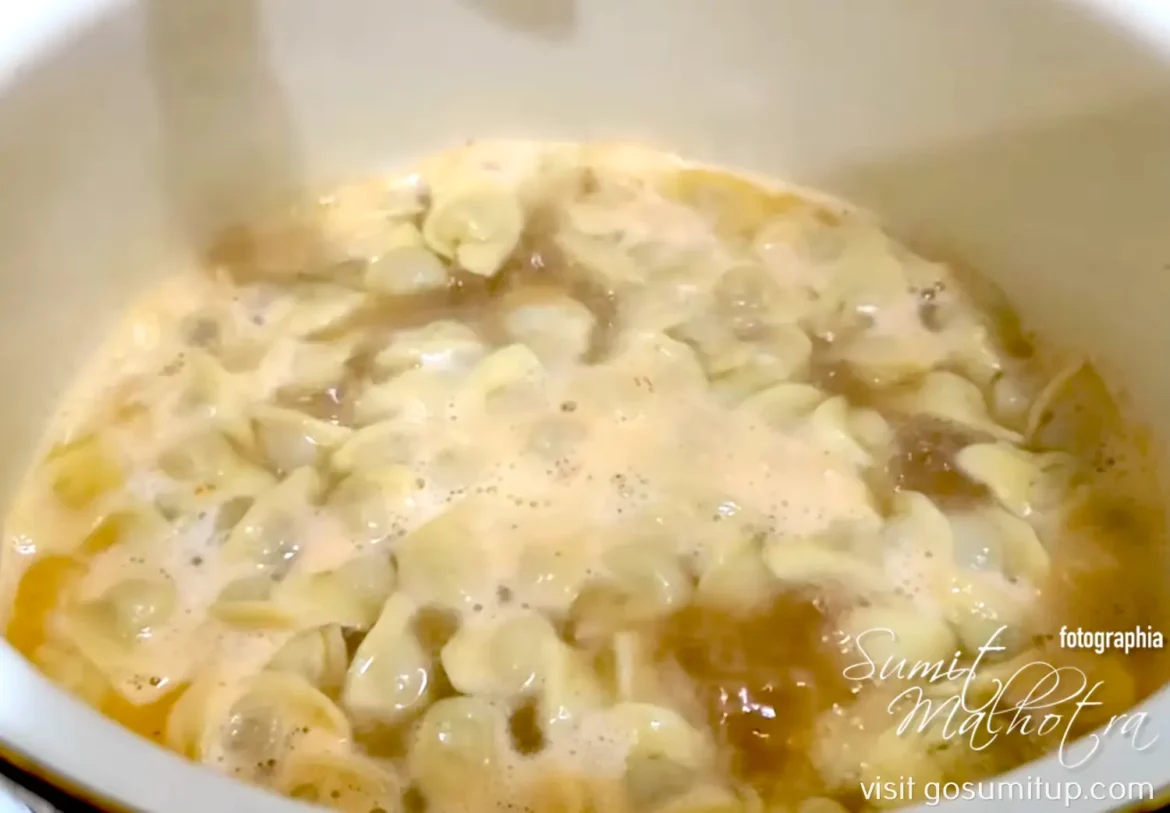
The moment these micro-dumplings hit the simmering broth, they cook fully in under 120 seconds.
The meat and the wrapper finish cooking at the same millisecond. This flashes the meat into a juicy, tender state and prevents the delicate dough from disintegrating.
2. The Battle for a Crystal-Clear Broth
The hallmark of a magnificent Azerbaijani Dushbara is its pristine, golden broth.
It should look like liquid silk, not a murky gravy. This is where the Thimble Test saves the day.
Every time wheat dough hits boiling water, surface starches wash off the wrapper and dissolve into the liquid.
If you boil large, thick dumplings, they must sit in the pot for 8 to 10 minutes.
During this long bath, massive amounts of starch leach into the water, causing the soup to thicken, turn cloudy, and lose its clean flavour.
Because true Dushbara cooks in a flash, they spend almost no time in the liquid before serving.
The starch is locked into the cooked dough matrix before it has a chance to bleed out into the soup, keeping the signature lamb broth brilliantly clear and beautifully light.
3. The Geometry of the Perfect Bite
Have you ever eaten a soup where you had to awkwardly cut the ingredients on your spoon using your teeth, splashing broth everywhere?
Dushbara solves this completely.
By scaling the dumpling down to fit multiple pieces onto a single spoon, you achieve the ultimate flavour harmony in every mouthful.
In one single bite, your palate receives the rich, savoury broth, the punch of garlic vinegar, the brightness of mint, the silkiness of the wrapper, and the deep, spiced essence of the lamb.
If the dumpling were any larger, it would dominate the spoon, completely drowning out the flavour of the seasoned broth.
Dushbara Dimension Matrix
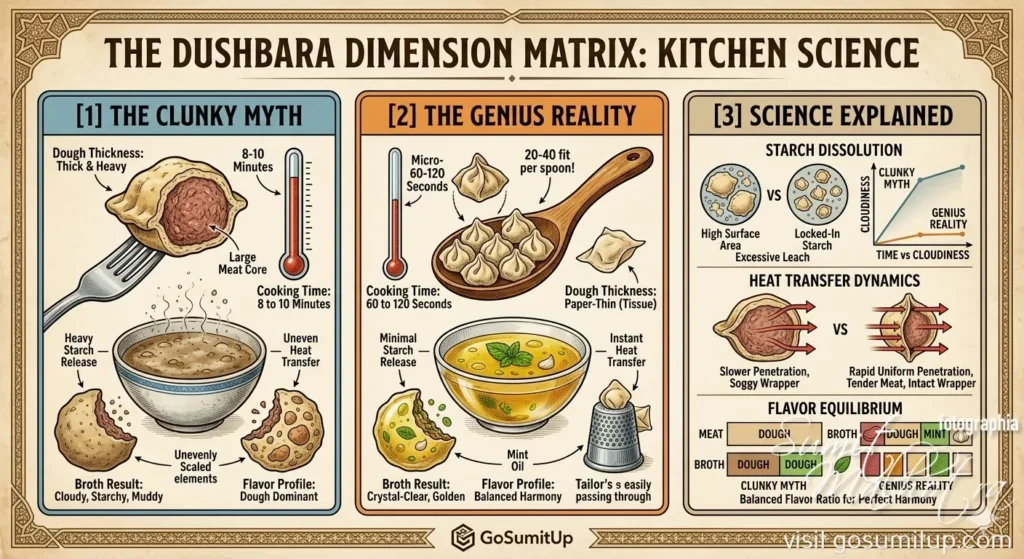
Step-by-Step Anatomy of a Masterpiece
Here is how the magic happens on the wooden pastry board.
Creating authentic Dushbara is a hypnotic, rhythmic art form. Here is how the magic happens on the wooden pastry board:
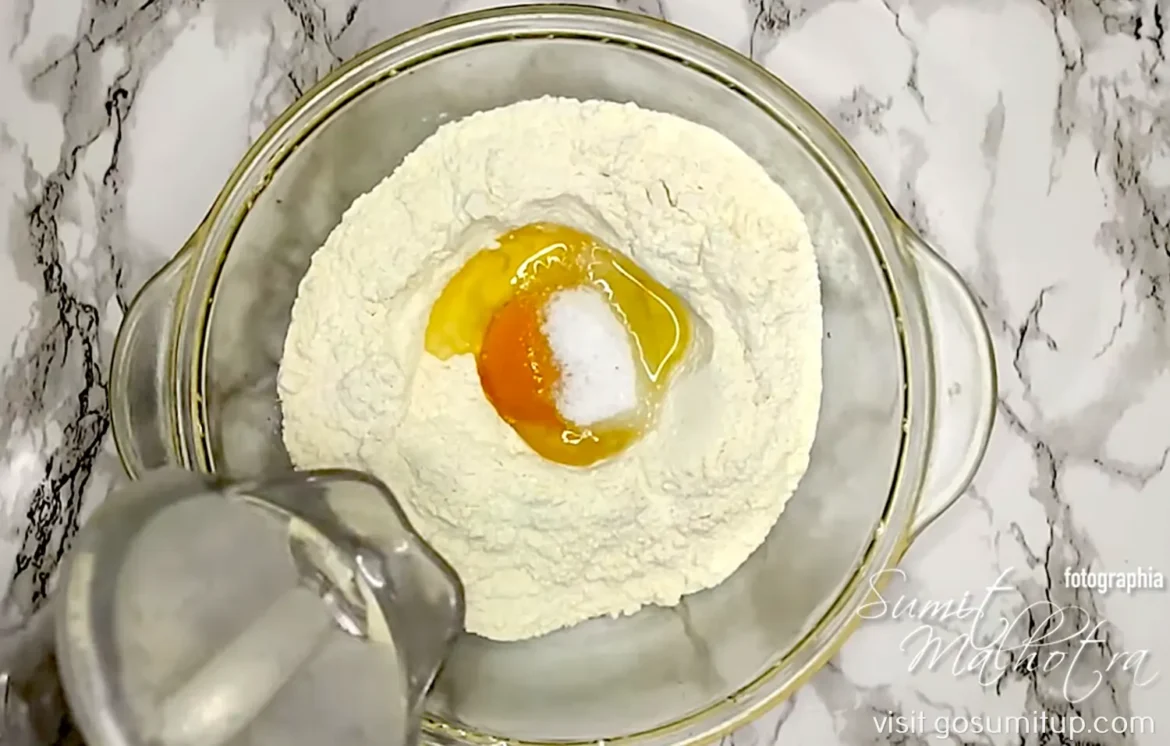
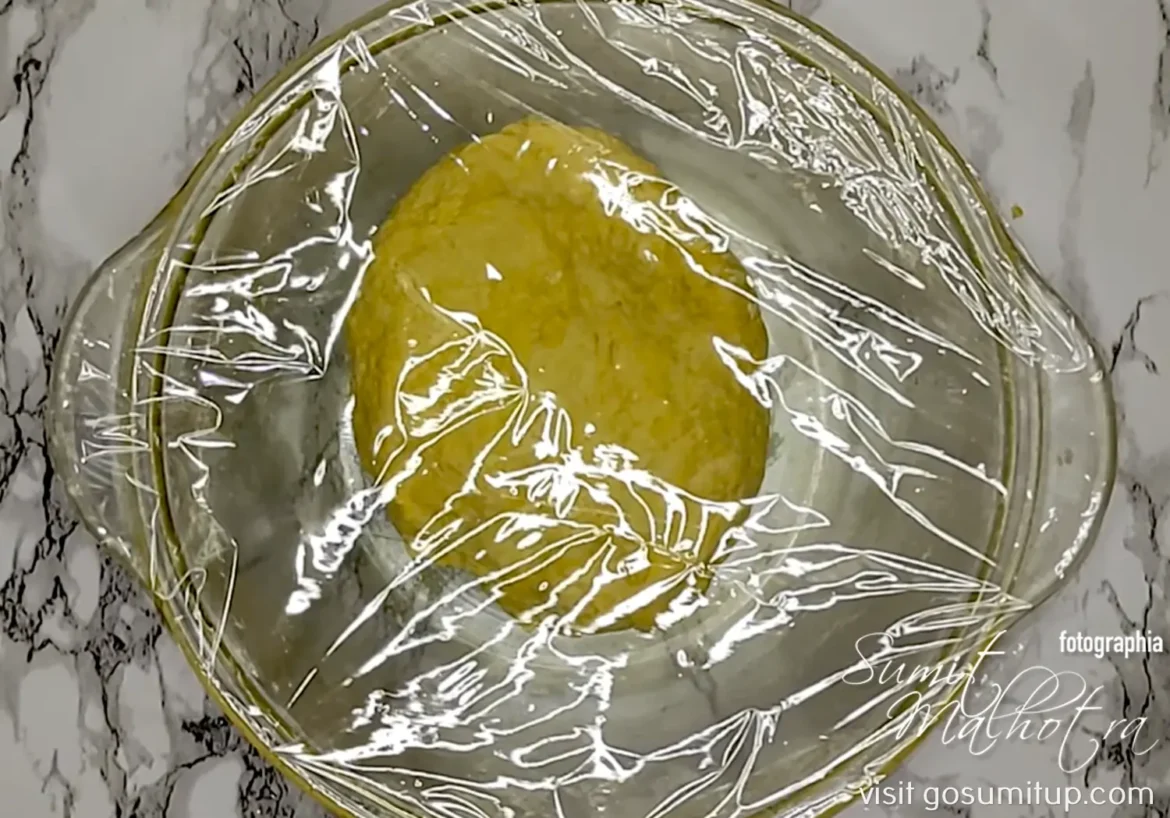
The Canvas: The dough—made simply from high-quality wheat flour, an egg, water, and salt—is kneaded until it is highly elastic.
It is then rolled out using a thin, wooden rolling pin (oxlov) until you can almost see the grain of the wood through the sheet.
The Mosaic: Using a sharp knife or a rolling wheel, the baker cuts the sheet into tiny, uniform squares, usually measuring less than one square centimetre each.
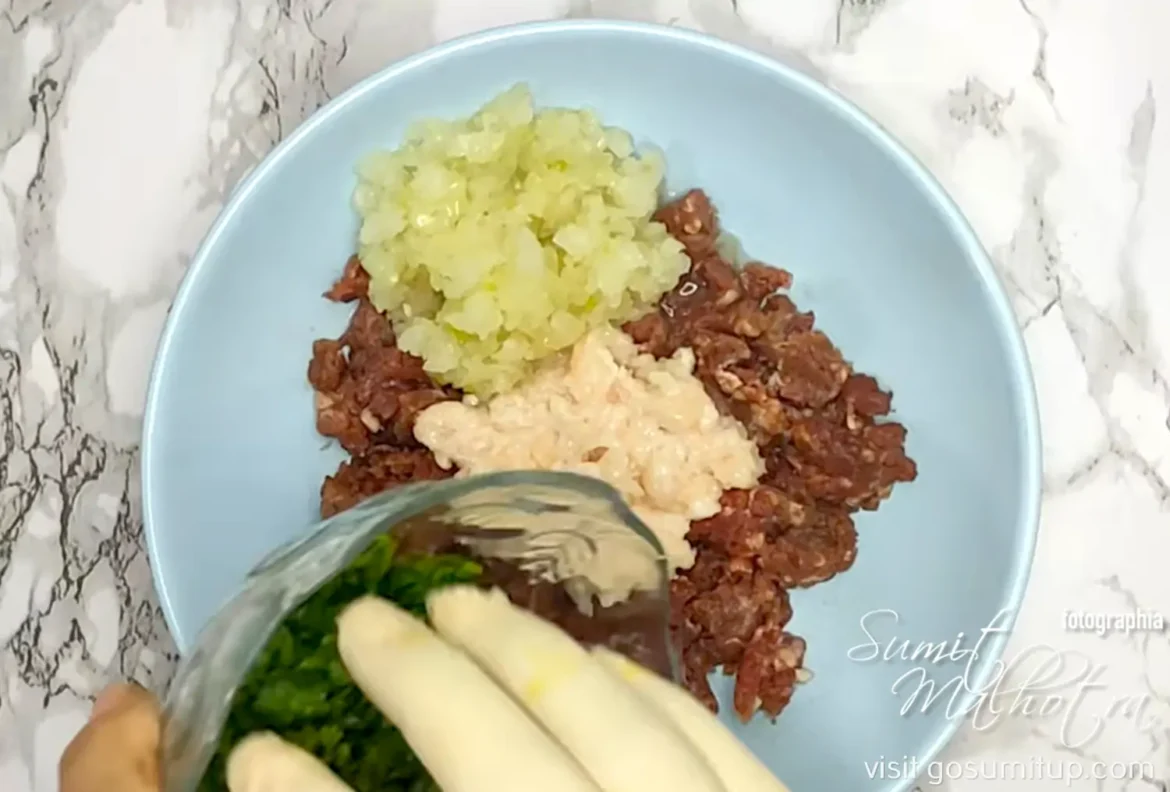
The Core: A microscopic dot of filling—finely minced lamb blended with grated onions, coriander, and a touch of pepper—is placed in the dead centre of each tiny square.
The Fold: With incredibly swift finger movements, the opposite corners of the square are folded together to form a triangle, and then the two loose tails are wrapped around the finger and pinched together.
The result looks like a miniature, elegant crown.
[Square Dough Sheet] ──► [Micro Lamb Core] ──► [Triangle Fold] ──► [The Crown Pinch]
Flour, Egg & Oil for Dushbara Dough
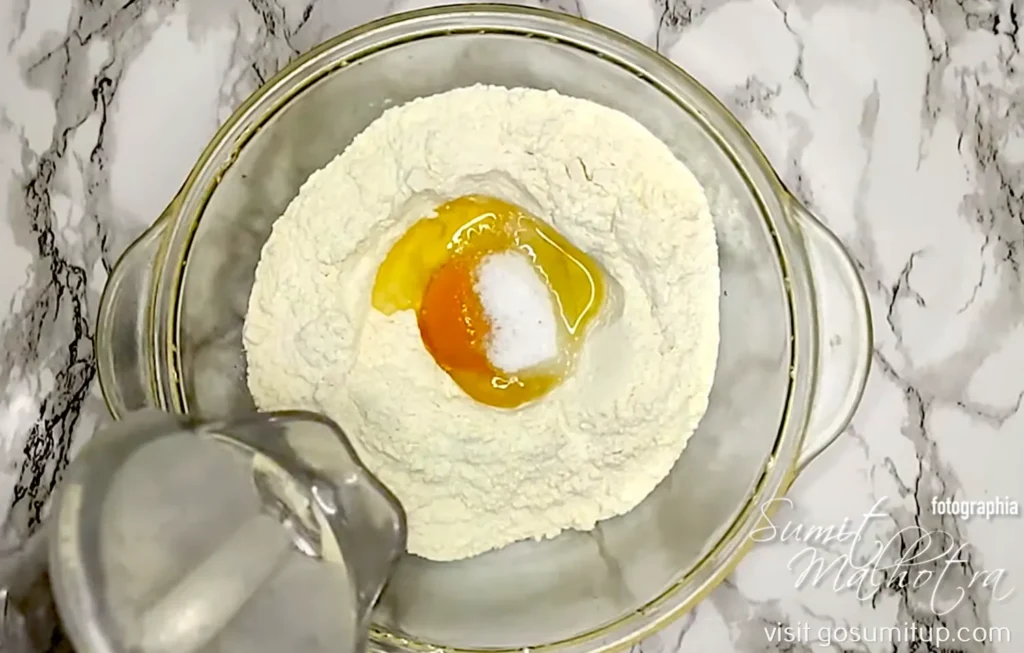
To Sumit Up Culinary Insight
It is an elegant, centuries-old solution to a classic culinary problem.
At first glance, the Azerbaijani Thimble Test looks like an antiquated domestic hurdle designed to stress out home cooks.
But when you look closer, it is an elegant, centuries-old solution to a classic culinary problem.
By forcing the chef to minimise the physical dimensions of the dumpling, ancient Azerbaijani tradition naturally optimises the chemistry of the dish.
It ensures lightning-fast heat transfer, locks in the natural fats of the lamb, and protects the broth from starchy cloudiness.
The Thimble Test proves that in the world of heritage cooking, folklore is often just advanced science waiting to be tasted.
Making of Dushbara (Part 1)
Making of Dushbara (Part2)
If you are a traveller and or just love to drive, you may find below a list of items that will fortify & thus enrich your travel experience.
I use many of these myself for my trips. They are modestly priced and quite important to keep handy.
- Travel Adapter – https://amzn.to/3A04EJp
- Action Camera – https://amzn.to/4eCSMfF
- Camera Mounts & Accessories – https://amzn.to/4eG4je2
- Dashcam – https://amzn.to/3U2j4Qc
- Neck Rest – https://amzn.to/3Y6ZP98
- Tyre Inflator – https://amzn.to/3U8HpDP
- Storage – https://amzn.to/3XVQFMI
- Car Laptop Charger – https://amzn.to/3XXMVdA
- Vacuum Cleaner Cordless – https://amzn.to/3Yo1hWd
- Air Mattress – https://amzn.to/4015Bvu
- Jack Ratchet Wrench – https://amzn.to/3YkxddO
- Cleaning Cloth Microfibre – https://amzn.to/3NIOFmt
- Rechargeable Solar LED Torch – https://amzn.to/3Yj4h5Y
- Electronics Accessories Organiser – https://amzn.to/3A04XUz
- Pocket Travel Data Transfer Tool – https://amzn.to/3zMTxnc
- Smart Tracker for Keys – https://amzn.to/3BTuIq0
- Camping Cookware Kit – https://amzn.to/3BIy0N3
- Sleeping Bag – https://amzn.to/3U7v2rP
GoSumItUp is a personal blog written and edited personally by me. All opinions expressed are my own, which are honest and have not been influenced by any means.
My reviews are dependent on the visits at the time, and revisits will be reviewed again as they may have a different experience or the same.
I am not a food critic nor do I consider myself as one; this platform allows me to write and review my own personal dining experiences, whether good or bad, delicious or not, all of which are honest and truthful opinions.
Suppose you disagree or agree with me at any point, or do not receive the same experiences as I have. In that case, I do not hold any responsibility as everyone will have their own experiences that they will encounter themselves.
I pay for all meals. However, if any meals or products have been sponsored or compensated or if I was a guest, it will be clearly disclosed at the end of each review.
All images on this blog are my own unless stated otherwise. If you wish to use any of my photography for any purposes, please do not use it without any written permission and give credit and/or link back to the website.
If you would like to send a product or any sponsors/endorsements, it may or may not be published and reviewed on the website.
If you wish to send any products or invitations for any media, press or collaborations, etc., consider if it is something related to the content of the website, and if you see fit, please visit the Contact page for contact details.
Thank You.
Thank you for visiting GoSumItUp! I hope you enjoy the reviews & recipes found at www.gosumitup.com.
This page consists of disclaimers regarding the recipe, its outcome, nutrition, and food handling safety decisions.
The recipes have been cooked and compiled by me for general information only and should not be used to diagnose or treat any medical condition/s.
This information is not intended to diagnose, treat, cure, or prevent any disease as well.
GoSumItUp.com has used all reasonable care in compiling the information but offers no warranty as to its accuracy or its use in any possible form.
Consult a doctor or other health care professional for diagnosis and treatment of any medical condition/s. For more details please refer to our disclosure policy.
If you like this article, you can let us know in the comments below or on social media using #gosumitup and tag @gosumitup on Facebook.
I am always happy to read your feedback, and if you liked the dish or if you made the dish. :)
Better still, take a picture and post it on Instagram and tag it as #gosumitup
Connect directly – You can also connect with me directly on my Instagram, Facebook or Pinterest.
And, keep visiting us for more of such awesomeness. Bookmark gosumitup.com into your web browser now or simply subscribe to our browser notifications.