Hindu Sacred Texts

Synopsis of Hindu Sacred Texts

Learn more about Hindu sacred texts, sacred texts of Hinduism, Vedas and Upanishads, Bhagavad Gita summary, Hindu scriptures guide, Shruti and Smriti, Sanatana Dharma, Indian Philosophy, Ramayana, Mahabharata, Puranas, Ancient India, Spirituality, Dharma, Moksha, Vedic Chants, Hindu Theology

Hindu sacred texts comprise a vast and diverse body of ancient literature that forms the spiritual, philosophical, and cultural foundation of Sanatana Dharma.

Traditionally categorised into two main authoritative divisions—Shruti (“that which is heard”) and Smriti (“that which is remembered”)—these works range from divine cosmic revelations to historical epics, philosophical treatises, and liturgical manuals.

  • Shruti (Revealed Wisdom): Considered eternal, divine, and revealed directly to ancient seers (rishis). This core canon includes the four Vedas (Rigveda, Samaveda, Yajurveda, and Atharvaveda) along with their corresponding Brahmanas (ritual explanations), Aranyakas (forest meditations), and Upanishads (philosophical discourses exploring ultimate reality, Brahman, and the individual soul, Atman).
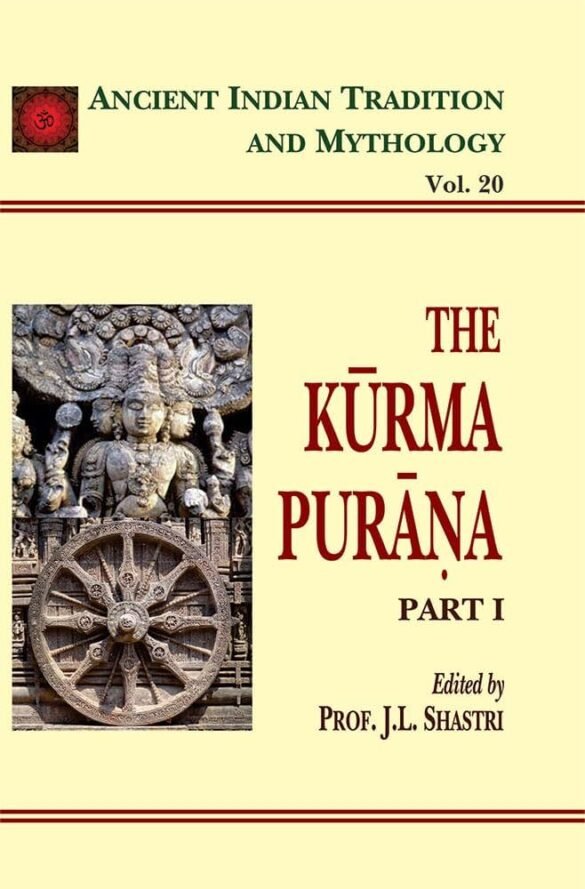
  • Smriti (Remembered Traditions): Humanly preserved and contextualised traditions that adapt Vedic principles across changing epochs. Major texts include the Itihasas or Epics (Ramayana and Mahabharata, which embeds the Bhagavad Gita), the Puranas (narratives detailing cosmology, genealogies, and deities), the Dharma Shastras (ethical codes and societal duties), and the Agamas (sectarian ritual and temple manuals).

Collectively, these sacred writings delineate core principles such as Dharma (righteous duty), Karma (action and moral consequence), Samsara (the cycle of rebirth), and Moksha (liberation), offering guidance for ethical living and spiritual realisation.

This website uses cookies to improve your experience. We'll assume you're ok with this, but you can opt-out if you wish. Accept Read More