Hindu Scriptures

Synopsis: Hindu Scriptures

Learn more about Hindu Scriptures, Vedas, Upanishads, Bhagavad Gita, Shruti and Smriti, Ramayana, Mahabharata, Puranas, Sanatana Dharma, Sanskrit Literature, Dharma, Karma, Moksha, Sacred Texts, Ancient Wisdom, Agamas, Advaita Vedanta

Hindu Scriptures comprise a vast, multi-layered collection of ancient sacred literature composed primarily in Sanskrit, forming the philosophical, spiritual, and liturgical foundation of Hinduism (Sanatana Dharma).

These texts are broadly categorised into two main authoritative classes: Śruti (“that which is heard”) and Smṛti (“that which is remembered”).

  • Śruti (Revealed Texts): Considered divinely revealed, eternal, and unquestionable in authority. This group contains the four Vedas (Rigveda, Yajurveda, Samaveda, and Atharvaveda) along with their structural subdivisions: the Samhitas (hymns), Brahmanas (rituals), Aranyakas (theological meditations), and the Upanishads (philosophical treatises on the nature of ultimate reality, Brahman, and the self, Ātman).
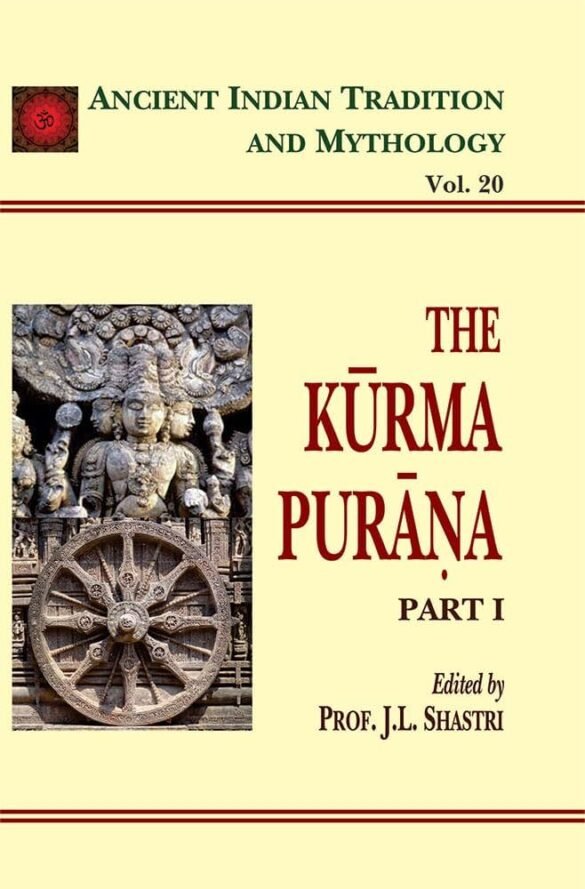
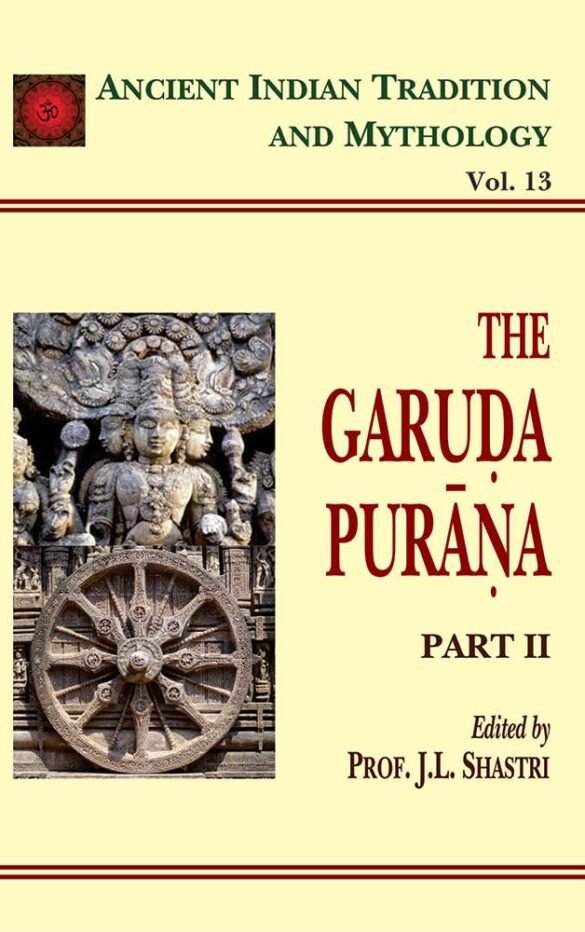
  • Smṛti (Remembered/Derived Texts): Humanly authored, contextual texts designed to interpret and apply divine principles across changing eras. This category encompasses the great epics (Ramayana and Mahabharata, the latter containing the Bhagavad Gita), the Puranas (mythological narratives and genealogies), the Dharma Śāstras (ethical and legal codes), and the Āgamas (manuals for temple worship and devotion).

Together, these sacred texts explore core concepts such as righteousness (Dharma), cosmic cause and effect (Karma), the cycle of rebirth (Samsara), and ultimate liberation (Moksha).
This website uses cookies to improve your experience. We'll assume you're ok with this, but you can opt-out if you wish. Accept Read More