Latest in Hindu Mythology
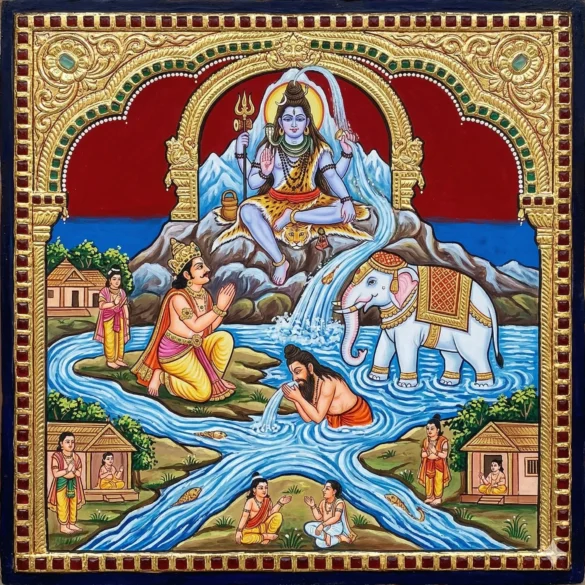

Hindu mythology is a vast, intricate collection of sacred narratives, cosmic allegories, and epic traditions rooted in the ancient scriptures of India—primarily the Vedas, Upanishads, Epics (Itihasas like the Ramayana and Mahabharata), and the Puranas.
Far from being merely speculative folklore, these stories function as dynamic vehicles for profound philosophical truths, moral frameworks, and spiritual realisations.
At its core, Hindu mythology articulates the eternal rhythm of the universe, characterised by continuous cycles of creation (Srishti), preservation (Sthiti), and dissolution (Pralaya) across four vast ages (Yugas).
Central to this cosmic framework is the Hindu Trinity (Trimurti)—comprising Brahma the Creator, Vishnu the Preserver, and Shiva the Transformer—alongside the divine feminine (Tridevi or Shakti) represented by Saraswati, Lakshmi, and Parvati or Kali.
Through narratives of divine avatars (Dashavatara), celestial battles between gods (Devas) and demons (Asuras), and the quests of heroic figures, the lore explores fundamental tenets of human existence: Dharma (cosmic order and righteousness), Karma (action and consequence), Samsara (the cycle of rebirth), and Moksha (liberation).
Unlike static ancient mythologies, Hindu mythology remains a living, evolving tradition.
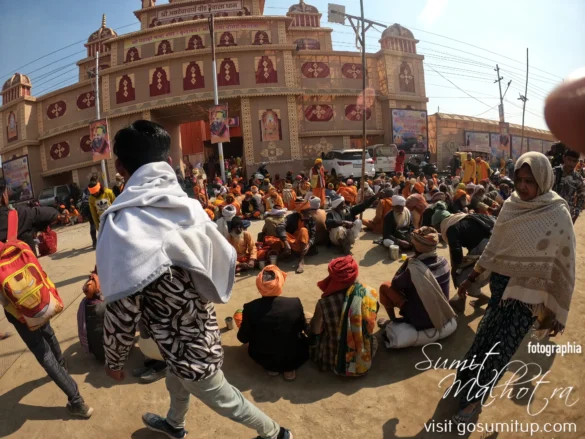
Its rich tapestry of symbolism, regional variations, and layered allegories continues to shape rituals, ethics, classical arts, and the cultural ethos of millions worldwide.